Product Introduction
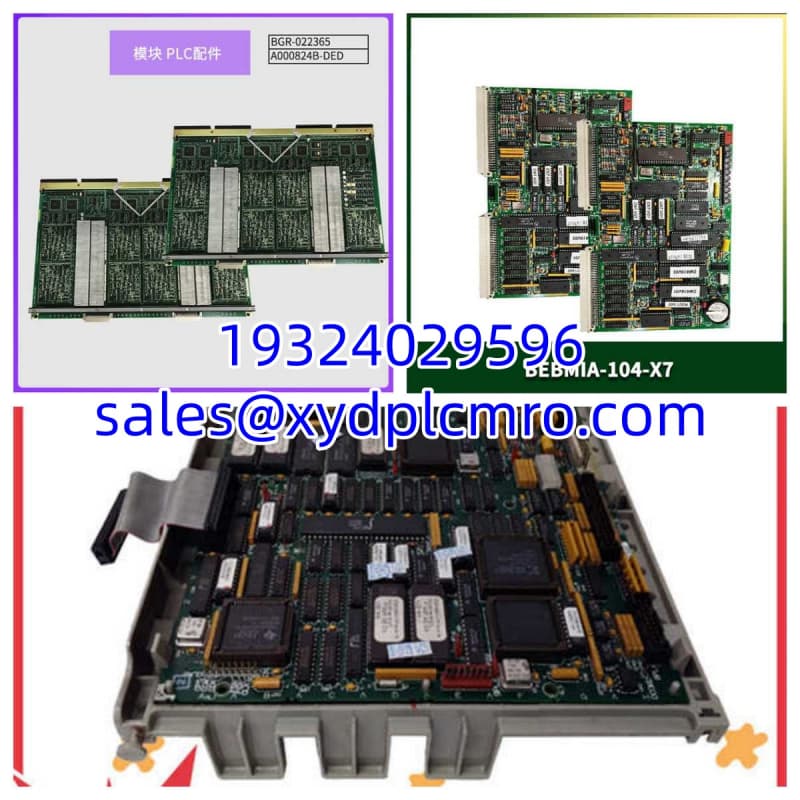
The GE DS200FSAAG1ABA is a Flame Safeguard Amplifier (FSA) card designed for the Mark V Speedtronic turbine control system. It acts as the critical interface between the turbine’s flame scanners and the main control processors, translating raw sensor data into actionable logic states. Without this card, the control system is blind to the combustion process, making it impossible to safely start or run the turbine.This module processes signals from ultraviolet (UV) or infrared (IR) flame detectors. In my experience, the stability of this card is what prevents nuisance trips during transient load changes. It features a conformal coating (indicated by the ‘LC’ equivalent in its series lineage, though this specific suffix is ABA) to protect against humidity and corrosive elements in the turbine enclosure. Honestly, given the age of many Mark V systems, finding a unit with intact coating and verified firmware is the real challenge here.
Key Technical Specifications
| Parameter | Value |
|---|---|
| Manufacturer | GE Industrial Systems |
| Part Number | DS200FSAAG1ABA |
| Functional Acronym | FSA (Flame Safeguard Amplifier) |
| Input Signal Type | UV/IR Flame Scanner (Frequency/Current) |
| Logic Supply Voltage | 24 VDC (Nominal) |
| Output Signal | TTL Logic / 4-20mA (scaled) |
| Operating Temperature | -30°C to +65°C (-22°F to +149°F) |
| Board Coating | Conformal Coated (Standard for FSA series) |
| Communication Bus | DLAN / Serial Link to VME Backplane |
| Mounting | Eurocard / VME Backplane Mount |
Application Scenarios & Pain Points
A gas turbine trips on “Loss of Flame” during a routine startup. The operators are baffled because the fuel valves are open and the spark plugs are firing. The on-call engineer checks the HMI and sees valid speeds, but the flame status bits are all zero. The culprit? A drifting FSA card that has become too sensitive, interpreting the weak initial flame signal as noise rather than combustion.This is exactly where the DS200FSAAG1ABA earns its keep. It isn’t just a passive circuit board; it is the gatekeeper of the combustion process.
- Gas Turbine Combustion Monitoring: It continuously analyzes the frequency or intensity of the signal from flame scanners. If the signal drops below a specific threshold (e.g., 50% flame intensity), it signals the controller to trip the fuel supply to prevent an unburned fuel accumulation.
- Boiler/Burner Management Systems: While primarily for turbines, this logic applies to large industrial boilers where proving flame before opening main fuel valves is a safety mandate.
- Legacy System Retrofit: When upgrading from analog Mark IV to Mark V systems, this card replaced older, discrete relay logic, centralizing the flame logic into the processor.
Installation Pitfalls Guide
To be frank, swapping out a flame card seems easy until you miss a grounding detail or a dip switch setting. I’ve seen perfectly good cards get labeled “dead on arrival” because of installation errors.
- Firmware/EPROM Mismatch:
The DS200FSAAG1ABA often carries specific EPROMs for the flame logic algorithm.- The Trap: You replace the card, and the turbine starts, but the flame response time is off.
- The Fix: Check the EPROM date codes and version numbers on the old card. They must match the new one. If they don’t, you may need to transfer the EPROM chips (if socketed) or load the correct logic file via the programmer.
- DIP Switch / Jumper Configuration:
- The Trap: Assuming factory default is “plug and play.” It rarely is.
- The Fix: Take a photo. Then take another one. specifically of the DIP switches on the face of the card. A single switch in the wrong position can change the card from “UV Scanner” mode to “Ionization Rod” mode, rendering it useless for your application.
- Grounding and Shielding:
- The Trap: Flame signals are micro-amp level. Noise is the enemy.
- The Fix: Ensure the shield of the flame scanner cable is grounded at the correct end (usually the scanner end, floating at the card end, or vice versa depending on the specific Mark V grounding scheme). A ground loop here will cause erratic flame flicker readings.
- Backplane Pin Inspection:
- The Trap: Forcing the card into the VME backplane.
- The Fix: Inspect the pins on the back of the card and the socket in the rack. Bent pins are common in older Mark V racks due to thermal cycling. If a power pin doesn’t make contact, the card won’t boot; if a data pin misses, you get comms errors.
- ESD Damage:
- The Trap: Touching the edge connector or components without a strap.
- The Fix: This is sensitive analog circuitry. A static shock might not kill it instantly but can degrade the input amplifiers, leading to “ghost” trips months later. Wear the wrist strap.