 Tel:
Tel:  Email:
  WhatsApp:
 Description
Product In-Depth Introduction
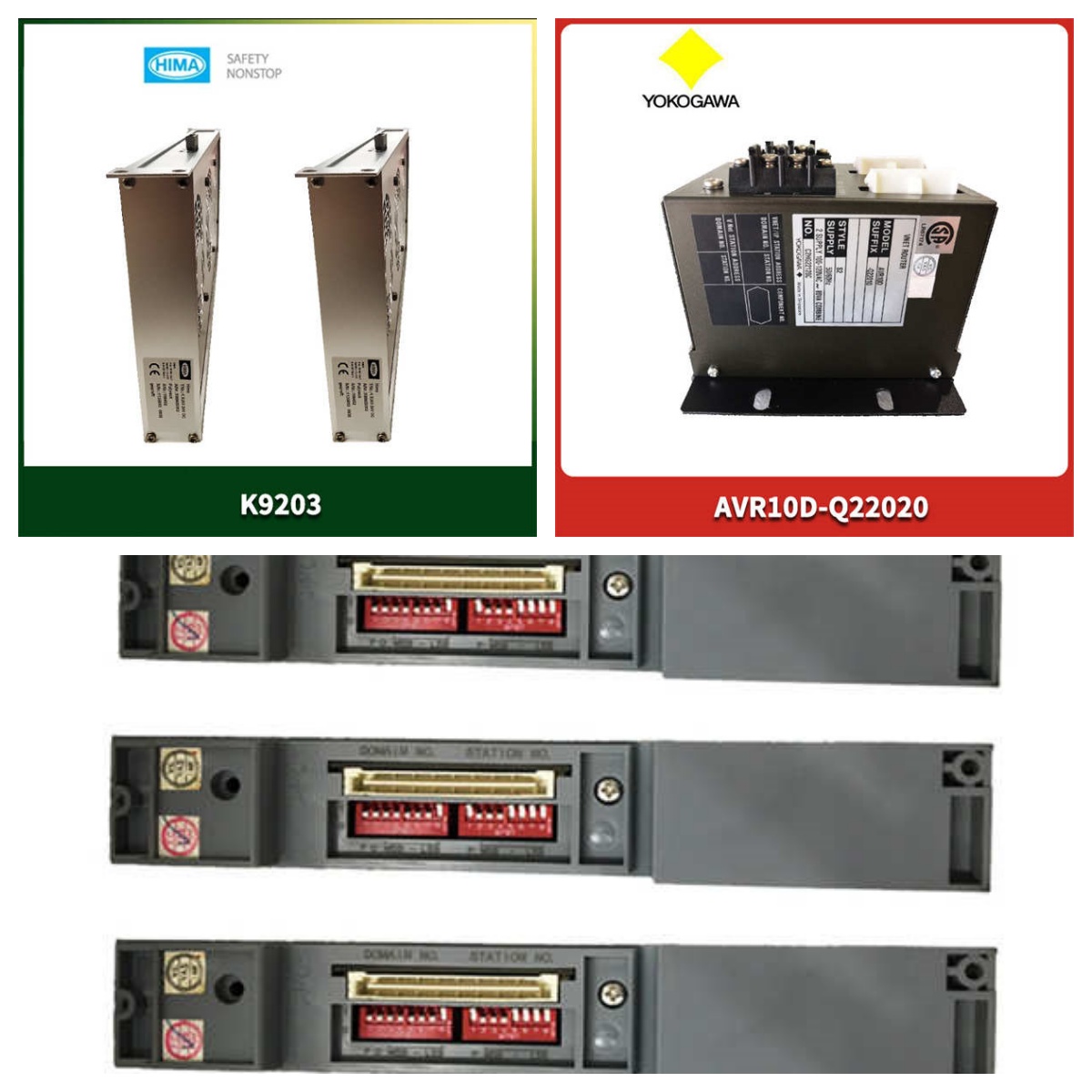
Tracking down a failing smart transmitter in a massive chemical plant can be a nightmare if your DCS input card doesn’t support digital diagnostics. The Yokogawa AAI143-H50 is a 16-channel analog input module specifically designed for the CENTUM series DCS, bridging the gap between field sensors and control room logic.This design is actually quite clever. By supporting the HART communication protocol, it allows operators to pull real-time diagnostic data directly from smart transmitters without sending a technician out to the field with a handheld communicator. Field tests confirm that the channel isolation effectively prevents ground loops, keeping the 4-20mA signal clean even in electrically noisy environments. Honestly, having 16 isolated channels on a single card saves a ton of rack space.

Key Technical Specifications
- Input Signal: 4-20 mA DC
- Channel Count: 16 Channels
- Isolation Type: Channel Isolation
- Communication Protocol: HART
- Data Update Cycle: 10 ms
- Step Response Time: 100 ms
- Input Resistance: 400 Ω (at 20 mA)
- Compatible Systems: CENTUM VP, CS3000
- Mounting Type: ESB / ER Bus Node Unit
- Protection Rating: IP20
Installation and Wiring Guide
Phase 1: Preparation (Estimated Time: 5 Minutes)
- Verify that the DCS node unit power is off and lock out the control cabinet.
- Gather a Phillips-head screwdriver, anti-static wrist strap, and wire labels.
- Back up the DCS system configuration and tagmap for the specific slot.
Phase 2: Removing the Old Module (Estimated Time: 5 Minutes)
- ⚠️ Double-check power status and wear an anti-static wrist strap.
- Label all 16 channel wires and the KS cable interface.
- Take photos of the old module’s slot position and any attached KS cable adapters.
- Release the module locking levers and gently pull the card from the backplane.
Phase 3: Installing the New Module (Estimated Time: 5 Minutes)
- Align the new AAI143-H50 with the backplane guides and push firmly until seated.
- Reconnect the KS cable interface adapter (e.g., AEA4D terminal board).
- Restore field wiring according to your photos, ensuring shield grounding is correct.
Phase 4: Power-On Testing (Estimated Time: 10 Minutes)
- Inspect all connections before restoring power to the node unit.
- Check the module’s status LEDs to confirm normal operation and no fault codes.
- Use the DCS engineering console to force a 4-20mA test signal and verify scaling.
- If HART communication fails, check the minimum load resistance and wiring polarity.
Technical Pitfall Avoidance Guide
- Firmware Version Mismatch: HART functionality requires specific firmware versions. If the new card doesn’t communicate via HART, the node unit firmware (e.g., EB401) might also need an upgrade. Always check the firmware revision before installation.
- DIP Switch / Jumper Misconfiguration: Channel configuration (2-wire vs. 4-wire transmitters) is often set via pin assignments or software. Getting this wrong will cause the card to fail to power the transmitter. Take photos! Take photos! Take photos!
- Wiring Incompatibility: The AAI143-H50 typically uses a KS cable interface adapter. Plugging standard field wires directly into the card without the proper terminal board will cause connection failures. Verify the /K4A00 suffix matches your terminal adapter.
- Power Supply Undersizing: HART communication requires a minimum loop voltage. If the power supply sags below 14.8 V at 20 mA, the smart transmitter will drop off the network. Calculate the total loop resistance to ensure adequate headroom.
- ESD Damage: The HART modem circuitry is highly sensitive. Touching the backplane connector pins without grounding yourself can permanently damage the communication chip. Wear a wrist strap. Don’t underestimate this.