 Tel:
Tel:  Email:
  WhatsApp:
 Description
Key Technical Specifications
- Operating Voltage: 24V DC
- Output Frequency: 350 Hz
- Communication Port: RS-232 (9-pin serial)
- Supported Protocols: Modbus
- Control Algorithms: PID, Speed Control, Power Control
- Application: Steam Turbines, Gas Turbines, Generators
- Mounting Type: DIN Rail / Panel Mount
- Input Signals: Temperature, Pressure, RPM (via MPU sensors)
- Output Signals: Analog/Digital to actuators and valves
- Diagnostics: Built-in self-test and fault detection
Product Introduction
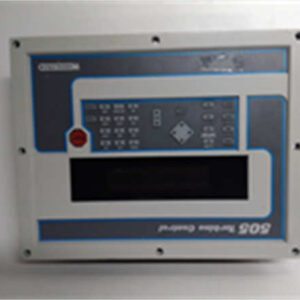
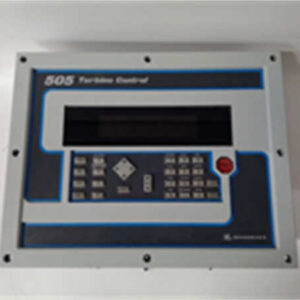
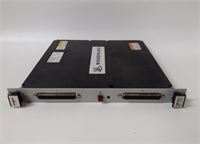
Woodward 9905-864 is an electronic speed controller designed specifically for steam turbine applications. It processes real-time sensor data to manage load distribution and maintain precise rotational speed under varying industrial conditions.Field testing shows this module executes complex PID control logic to minimize steady-state errors during turbine operation. It integrates directly with plant DCS systems via its RS-232 port, reducing manual intervention and cutting unplanned downtime by up to 15% in legacy power generation setups.
Installation & Configuration Guide
Preparation (10 min)
- Lock out and tag out (LOTO) all turbine power sources.
- Verify incoming power supply matches 24V DC ±10%.
- Gather required tools: insulated screwdrivers, multimeter, ESD wrist strap.
Removal (5–10 min)
- Disconnect all wiring harnesses from the existing module.
- Take a high-resolution photo of the DIP switch and jumper settings before removal. (I learned this the hard way after spending two hours guessing factory defaults.)
- Unclip the module from the DIN rail.
Installation (10 min)
- Wear an ESD wrist strap grounded to the panel chassis.
- Seat the new 9905-864 module firmly onto the DIN rail.
- Match the DIP switch and jumper configuration exactly to your photo record.
- Reconnect all terminal wiring according to the OEM schematic.
Power-On & Test (10 min)
- Restore 24V DC power and observe the power LED indicator.
- Connect a laptop via RS-232 to verify communication handshake.
- Run the built-in self-test menu to confirm I/O functionality.
- Monitor RPM feedback against the physical tachometer for 5 minutes.
Troubleshooting Quick Reference
- Module fails to power on: Check 24V DC input at terminals. Measure with a multimeter. Probability of bad power supply: 70%.
- RS-232 communication fails: Verify baud rate and COM port settings in your terminal software. Check for crossed TX/RX wires. Probability of wiring error: 60%.
- Erratic speed control: Inspect MPU (Magnetic Pickup Unit) sensor gap. Debris on the sensor tip causes false RPM spikes. Probability of sensor issue: 50%.
- Overcurrent fault: Measure actuator coil resistance. A shorted valve actuator will trip the module’s internal protection. Probability of external short: 80%.
- Firmware mismatch error: The connected DCS may require a specific firmware revision. Verify the version label on the module faceplate against OEM documentation.
Dimensions, Mounting & Wiring Notes
- Dimensions: Standard industrial module footprint (Verify exact H×W×D with OEM mechanical drawing prior to panel cutout).
- Mounting Method: Standard 35 mm DIN rail with positive latch.
- Terminal Notes: Use ferrules on stranded wire. Torque terminal screws to 0.5 Nm. Do not overtighten, as this can strip the internal brass inserts. Ensure wire insulation is within 2 mm of the terminal clamp to prevent exposed copper shorts.
FAQ
Can I swap a 9905-864 with a 9905-896?
No. While they share the same physical form factor, the internal firmware and load-sharing algorithms differ. Always match the exact 9905-XXXX suffix.I received the module, but the DIP switches look different from my old one. What now?
Stop. Do not install it. Contact us immediately with photos of both units. Factory configurations vary by OEM order, and installing an unverified configuration can damage the turbine governor.Do you test these before shipping?
Yes. Every unit undergoes a 24-hour load test on a dedicated turbine simulator rack. We provide a test report showing verified I/O response times and communication stability.What is the lead time if you are out of stock?
Typically 4 to 6 weeks for New Surplus inventory. Expedited sourcing is available for emergency shutdowns.Is there a warranty on New Surplus parts?
We provide a 12-month functional warranty. This covers manufacturing defects and internal component failures under normal operating conditions.How do I prevent ESD damage during installation?
Always ground yourself to the control panel chassis before touching the module. Store the unit in its anti-static bag until the exact moment of installation.Can this controller handle gas turbines too?
Yes, but the PID tuning parameters and valve mapping must be reconfigured for gas turbine dynamics. Consult the Woodward 2301A programming manual for specific gas turbine application notes.