 Tel:
Tel:  Email:
  WhatsApp:
 Description
Product Introduction
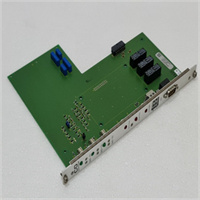
That middle-of-the-night call about a downed crusher or conveyor usually traces back to a drive fault. The TMEIC 5D3A1118P031 (ARND-3120A) is the logic board that sits at the heart of many TMEIC inverter drive systems. When this specific module fails, the drive simply won’t function.This ARND-3120A board handles the critical signal processing and interface logic between the drive’s power section and the plant’s control system. It is a genuine Toshiba Mitsubishi-Electric (TMEIC) component. Given that this specific model is now End-of-Life (EOL), securing a New Surplus unit like this is the most cost-effective way to keep legacy material handling systems running without a full drive replacement. Honestly, the reliability of genuine TMEIC boards in harsh environments is why plants still insist on finding these specific part numbers.
Key Technical Specifications
- Manufacturer: TMEIC (Toshiba Mitsubishi-Electric)
- Full Model: 5D3A1118P031
- Alternate ID: ARND-3120A
- Component Type: Logic Control Board
- Function: Signal processing, Drive interface, I/O management
- Compatibility: TMEIC Inverter Drives (specific models vary)
- Condition: New Original (No scratches, no oxidation)
- Origin: Industrial Automation Spare Parts
- Warranty: 1 Year (Standard)
- Inventory Status: Limited Stock (EOL part)
Application Scenarios & Pain Points
The “Dust & Heat” Test
Let’s be real: TMEIC drives are workhorses found in some of the dirtiest and hottest industrial settings—mineral processing, cement plants, and steel mills. The 5D3A1118P031 board is often the weak link when ambient temperatures creep up or dust clogs the cooling fins. Without a functional logic board, the drive rejects the start command, halting the entire production line.
- Mining & Minerals: Used in large slurry pumps and grinding mill drives. If the board fails here, the whole concentrator plant slows down.
- Cement Manufacturing: Controls the massive fans and kiln drives. A board failure in the preheater fan can cause a kiln stoppage—a costly event.
- Power Generation: Found in boiler feedwater pumps. Reliability is non-negotiable; a logic board hiccup can trigger a turbine trip.
- Marine & Ports: Used in ship unloaders and stacker-reclaimers. The board must resist salt fog, which often leads to corroded traces if not maintained.
Case Study: The Cement Plant Kiln Stop
A maintenance manager at a plant in the Midwest was facing a crisis. Their raw mill drive (a TMEIC unit) suddenly displayed a “Logic Error” and refused to sync with the DCS. The plant was burning fuel but producing zero clinker. After排查, the team isolated the fault to the 5D3A1118P031 board. Since they couldn’t afford the 12-week lead time for a new drive, they sourced a New Surplus ARND-3120A from our inventory. The board was tested, shipped overnight, and the kiln was back online within 36 hours, saving the plant over $50,000 in lost production.Pre-Installation Checklist (Engineer’s Notes)Before you swap that board, do this:
- Visual Inspection: Look for “tombstoning” (lifted capacitors) or brown burn marks near the connector pins. If the board smells like burnt toast, don’t install it.
- Firmware Check: TMEIC boards often require specific firmware versions to match the power section. Verify the version number (usually on a sticker) matches your existing setup.
- ESD Precautions: These boards are static-sensitive. Wear a wrist strap. Those gold fingers on the edge connector are grounding points—touch them first before handling the PCB.
- Connector Fit: Ensure the mating connector on the drive chassis is clean and undamaged. Bent pins here are common and hard to fix.