 Tel:
Tel:  Email:
  WhatsApp:
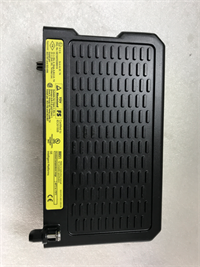
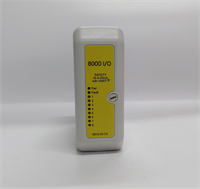
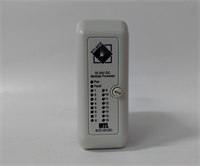
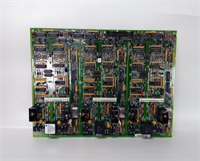
 Description
Key Technical Specifications
- Manufacturer: GE Multilin
- Module Type: Digital Input/Output (I/O)
- Input Channels: 8 Contact Inputs
- Output Channels: 4 Form-C (SDPT) Outputs
- Output Type: Single Pole Double Throw (SPDT)
- Switching Capability: Normally Open (NO) / Normally Closed (NC)
- Communication: System-to-system digital signaling
- Weight: 2.55 kg (5.62 lbs)
- Platform Compatibility: GE Universal Relay (UR) Series
Product Introduction
Power system protection relays are the last line of defense against catastrophic grid failures, and when their I/O cards fail, you don’t have time to wait six weeks for a factory rebuild. The GE UR6EH is the digital muscle of the Multilin Universal Relay platform, bridging the gap between the relay’s brain and the physical breakers and alarms in the substation. I’ve seen plants completely paralyzed because a single digital output stuck, preventing a backup generator from starting.We keep these in stock because the UR6EH offers a highly reliable, integrated 8-input and 4-output architecture that simplifies substation wiring. The Form-C (SPDT) outputs are particularly valuable because they allow you to switch between NO and NC states without rewiring the panel. Just be warned: this module is built for harsh electrical environments, but the backplane connectors are highly sensitive to moisture. If you’re installing this in an outdoor cabinet, make sure your desiccant packs are fresh.
Quality SOP & Tech Pitfalls (The Reality Check)
The Lab Report (SOP)
I don’t trust vintage relay boards blindly. Every UR6EH goes through a strict bench test before it ships. First, we do a visual inspection under magnification to check for trace corrosion or damaged Form-C relay contacts. Next, it goes on a live UR test rack where we verify the 8 digital inputs and toggle the 4 SPDT outputs to ensure clean switching. We pull out the Fluke 115 to check insulation resistance, log the exact hardware revision, and finally seal it in an anti-static bag with a dated QC sticker.The Engineer’s Warning (Pitfalls)
Don’t assume the replacement module will behave exactly like the old one without verification. The most common mistake I see is failing to check the UR relay’s internal configuration settings before swapping the card. I once watched a tech spend 8 hours troubleshooting a “faulty” UR6EH, only to realize the relay’s software was still configured for an older, slower I/O card. Also, double-check your wiring diagrams. The Form-C outputs have three terminals each; wiring the common terminal to the wrong pole will cause your alarms to trigger backwards during a fault. Always photograph the old wiring before pulling the card.
Installation & Configuration Guide
Phase 1: Pre-Installation (Safety & Documentation)
- ⚠️ Lockout/Tagout: Isolate the UR relay from live CT/VT circuits and remove auxiliary control power.
- Document Everything: Take high-resolution photos of the terminal block wiring and any internal jumpers.
- ESD Prep: Ground yourself. Relay logic boards are highly sensitive to static discharge.
Phase 2: Removal
- Label Wires: Tag every wire connected to the 8 inputs and 4 Form-C outputs. Do not rely on memory.
- Disconnect: Loosen the terminal screws and carefully remove the wires. Never pull by the wire insulation.
- Extract: Release the module locking mechanism and slide the old UR6EH straight out of the UR chassis.
Phase 3: Installation
- Seat the Module: Slide the new UR6EH into the chassis. Ensure the backplane connector seats fully without forcing it.
- Reconnect: Plug in the wires according to your labels. Double-check that the Form-C common terminals are correctly oriented.
- Torque Check: CRITICAL: Tighten all terminal screws to the OEM spec. Loose connections on output relays will cause arcing and eventual failure.
Phase 4: Power-On & Testing
- Pre-Power Check: Verify no loose wire strands are shorting adjacent terminals.
- Apply Power: Restore auxiliary control power. Watch the UR relay’s HMI for module recognition.
- Verify: Use the relay’s test menu to force each of the 8 inputs and 4 outputs individually. Confirm physical breaker/alarm response before returning to service.
Compatible Replacement Models
| Compatibility Tier | Model / Action | Notes |
|---|---|---|
| ✅ Drop-in Replacement | GE UR6EH (15100-010) | Direct hardware match. Verify terminal torque. |
| ⚠️ Software Compatible | GE UR6EH Rev D / Rev E | Same hardware family. May require UR relay firmware update or parameter reload. |
| ❌ Hardware Mod Required | GE UR3EH / UR8EH | Different I/O channel counts. Do not use unless upgrading the entire UR chassis. |
Frequently Asked Questions (FAQ)
Can I hot-swap this I/O module while the UR relay is powered on?
Absolutely not. The GE Universal Relay platform is not designed for live backplane insertion. Hot-swapping will likely fry the new board’s logic circuits and could corrupt the relay’s configuration. Always follow proper Lockout/Tagout procedures.My old card has a different revision letter. Will this UR6EH still work?
Usually, yes, but you must verify the configuration. GE Multilin made minor internal updates between revisions. The hardware is physically identical, but you must ensure the relay’s software settings match the new card’s capabilities. If the relay throws an I/O mismatch fault after installation, the parameters likely need to be reloaded via EnerVista Launchpad.How do I know if this module is actually new and not refurbished?
We sell these strictly as New Surplus. They are factory-sealed, never powered on in a live substation, and come with our 1-year functional warranty. If you open the box and see scratched terminal screws or fingerprint smudges on the PCB, reject it immediately.What is the most common cause of failure for these I/O cards?
In my experience, it’s usually not the solid-state logic. It’s the mechanical Form-C relay contacts getting pitted or welded from switching high inductive loads without proper suppression. Before you blame the new UR6EH module, check your external wiring. If you’re switching large contactor coils directly, make sure you have flyback diodes or RC snubbers installed.Can I use this module for high-voltage switching?
No. The UR6EH is strictly a low-voltage digital control module. The Form-C outputs are designed for signaling, interposing relays, and low-current control circuits. Always check the OEM datasheet for the exact voltage and current ratings of the contacts before wiring. Exceeding these limits will destroy the module instantly.