 Tel:
Tel:  Email:
  WhatsApp:
 Description
Product Introduction
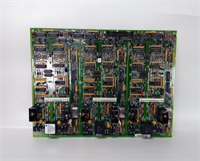
The GE IS420YVIBS1B is the VME interface backbone for the Mark VI Speedtronic turbine control system. It slots into the core rack to manage communication traffic between the CPU and I/O modules. Honestly, if this board glitches, the whole turbine control logic can suffer latency or drop signals.This specific revision is critical for maintaining protocol integrity in older Mark VI frames. We’ve seen plants trip because the firmware on this board didn’t match the CPU version. It draws 5 VDC and is built to handle the vibration and heat found in power generation environments.
Key Technical Specifications
- Manufacturer: GE
- Product Number: IS420YVIBS1B
- Product Name: VME Interface Board
- System Compatibility: GE Mark VI (Speedtronic)
- Input Voltage: 5 VDC
- Bus Type: VME
- Application: Gas Turbine Control
- Origin: Factory manufactured
Application Scenarios & Pain Points
Imagine a power plant at 2 a.m. The load is steady, but suddenly the turbine control system loses communication with the I/O racks. The operators see a “Comm Loss” alarm. Often, the root cause traces back to the IS420YVIBS1B failing or misbehaving.
- Power Generation: In combined cycle plants, this board handles the high-speed data exchange needed for combustion monitoring. Without it, the CPU can’t read flame scanner data fast enough.
- Oil & Gas Compression: On pipeline compressor stations, the VME interface must be rock solid. If the board overheats due to poor airflow, it can cause a false overspeed signal.
- Industrial Gas Turbines: In cogeneration setups, the timing of data packets through this board affects fuel flow calculations. A lag of even 50ms can reduce efficiency.
Case Study:
A refinery in Texas was experiencing random turbine trips. The maintenance team replaced cables and the CPU, but the fault remained. Upon inspecting the IS420YVIBS1B, they found the gold fingers were slightly oxidized. After cleaning and reseating the board, the communication errors stopped. The lesson? Don’t just replace the expensive CPU; check the interface board and its connections first.
Quality Control Process
Here is the inspection and testing workflow we follow for every unit:1. Inbound Inspection
- Source Check: We verify the shipping docs against our PO.
- Visual Audit: We inspect for any physical damage, corrosion, or repair marks. The board must look factory fresh.
- Accessory Check: We confirm the manual and warranty card are included.
2. Live Functional Test
- Test Bench: We install the board into a Mark VI rack simulator.
- Power-On: We watch the LED indicators. The +5V and TX/RX lights must illuminate and blink correctly.
- Comm Test: We establish a Modbus/Profibus handshake with a test slave device.
- Burn-In: We run the board under load for 24 hours to check for thermal stability.
3. Electrical Parameters
- Insulation Test: We use a 500 V megger to check resistance (>10 MΩ).
- Ground Check: We verify continuity of the grounding path.
4. Firmware Verification
- Version Read: We record the exact firmware version using the OEM software.
- Labeling: We label the board with the firmware version so you know exactly what you are getting.
5. Final QC & Packaging
- Sign-Off: The QC engineer signs the test report.
- Packaging: We seal the board in an anti-static bag, wrap it in bubble mailer, and ship it in a double-walled carton.
Installation Pitfalls Guide
Swapping this board is routine, but skipping these steps leads to 2 a.m. callbacks.Firmware Mismatch
The new board might have a newer or older firmware version than your CPU. Always check the version before swapping. If they don’t match, you’ll get a comms timeout and the turbine won’t start.DIP Switch / Jumper Settings
The factory default settings might not match your site configuration. Take a photo of the old board’s switches before you pull it out. One wrong jumper can isolate the entire I/O rack.Terminal / Wiring Incompatibility
Pinouts can change between board revisions. Don’t assume the wiring diagram is the same as the last time you did this. Cross-check the manual for IS420YVIBS1B specifically.Power Supply Undersizing
If you are adding this to a crowded rack, calculate the total current draw. The Mark VI rack has limits. Running the PSU too hot will kill this board prematurely.ESD Damage
This is a sensitive digital board. Wear a grounded wrist strap. I’ve seen a static zap from a technician’s finger kill the UART chip instantly. It’s not worth the risk.