
 Tel:
Tel:  Email:
  WhatsApp:
 Description
Key Technical Specifications
- System Series: Speedtronic Mark V
- Operating Temperature: 0°C to 70°C
- Primary Function: Signal transmission, processing, and control
- Power Management: Distributes power to auxiliary control components
- Safety Features: Overload protection, over-temperature protection
- Redundancy Design: Multiple redundant pathways for reliability
- Bus Interface: VME bus for system integration
- Power Supply: Main control system (no external supply required)
- Mounting Type: Plug-in standard rack installation
- Target Application: Gas and steam turbine automation
Product Introduction
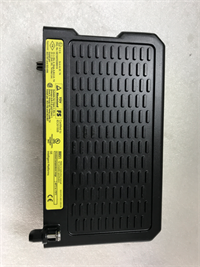
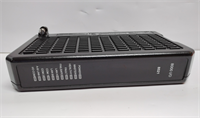
Turbine control systems don’t tolerate downtime, and the Mark V architecture is notorious for being unforgiving if you put the wrong board in the rack. The GE DS215UCVBG1AF is a modular controller designed specifically for this ecosystem. It acts as the central nervous system for signal processing and power distribution across the turbine’s control network.This module earns its keep by providing multiple redundant pathways and built-in safety protections like over-temperature and overload shutdowns. Operating safely up to 70°C, it handles the dirty work of coordinating VME bus communications without needing an external power supply. Honestly, the plug-in design is a lifesaver during forced outages, but make sure you verify the exact ‘AF’ suffix before installing—Mark V boards are incredibly picky about hardware revisions, and a mismatch will leave your turbine sitting idle.

Quality SOP & Tech Pitfalls (The Reality Check)
Before shipping, every DS215UCVBG1AF goes through a rigorous validation protocol. We verify the source against original packing slips and check for physical damage, corrosion, or repair marks. On the bench, it gets seated in a Mark V test rack to validate VME bus handshakes, signal processing, and power distribution. We use a Fluke 115 to check insulation resistance and verify the board doesn’t exceed thermal limits during a continuous 24-hour burn-in. Finally, it’s sealed in anti-static packaging with a signed QA tag.Here is the brutal reality of swapping these boards: Do not ignore the suffix code. I once watched a plant engineer force a DS215UCVBG1AB into a slot meant for the AF variant. The physical fit was fine, but the internal VME addressing was slightly different, causing intermittent bus faults that took three days to diagnose. Also, always photograph the DIP switches and jumper settings before pulling the old board. Assuming the new board comes pre-configured is a rookie mistake that will cost you hours of recalibration.
Installation & Configuration Guide
Phase 1: Pre-Installation (Safety & Prep)
- ⚠️ System Shutdown: Ensure the turbine control system is safely tripped and the Mark V rack is powered down.
- ⚠️ ESD Protection: Put on a grounded anti-static wrist strap. Winter or dry environments are especially dangerous for these boards.
- Document: Take a clear, well-lit photo of the old board’s jumper and DIP switch settings.
Phase 2: Removal
- Label: Tag all ribbon cables and VME bus connectors.
- Release: Unlatch the top and bottom card guides.
- Extract: Pull the board straight out to avoid bending the VME backplane pins.
Phase 3: Installation
- Configure: Copy the jumper and DIP switch settings exactly from your photo to the new DS215UCVBG1AF. (This prevents 90% of startup failures).
- Seat: Align the board with the card guides and push firmly but evenly until the backplane connectors are fully mated.
- Secure: Lock the top and bottom retention latches.
Phase 4: Power-On & Testing
- Pre-Check: Verify no loose tools or wires are in the rack before restoring power.
- LED Check: Power up the Mark V rack. The board’s status LEDs should show a normal boot sequence (no solid red fault lights).
- Verification: Check the HMI for VME bus communication errors and verify that signal feedback from the turbine matches expected values.

Compatible Replacement Models
| Model | Compatibility Tier | Notes |
|---|---|---|
| GE DS215UCVBG1AF | ✅ Drop-in Replacement | Exact hardware and firmware match. Zero reconfiguration required. |
| GE DS215UCVBG1AG | ⚠️ Software Compatible | Same base hardware, but verify firmware version. May require logic recompile. |
| GE DS215UCVBG1AB | ⚠️ Software Compatible | Older revision. Check VME addressing and jumper compatibility before installing. |
Frequently Asked Questions (FAQ)
Can I hot-swap this controller while the turbine is running?
Absolutely not. The Mark V system is not designed for hot-swapping this module. Pulling it under power will likely fry the VME backplane and cause an immediate turbine trip.Does this board require an external power supply?
No, it draws power directly from the Mark V main control system backplane. If it isn’t powering up, check the backplane fuses and the primary power supply module first.Why is my VME bus reporting intermittent faults after installation?
9 times out of 10, the VME connector isn’t fully seated, or you have a mismatched jumper setting. Reseat the board and double-check your configuration photos.What happens if the over-temperature protection trips?
The board will safely shut down its outputs to protect the turbine. You need to investigate the rack cooling fans and ambient temperature before resetting. Never bypass this protection.Is the DS215UCVBG1AF still supported by GE?
The Mark V platform is legacy, and OEM support is highly limited. Securing verified new surplus stock like this is currently the most reliable strategy for maintaining uptime. Always verify with the OEM manual for specific lifecycle status.