

 Tel:
Tel:  Email:
  WhatsApp:
 Description
Key Technical Specifications
| Parameter Name | Detailed Value & Description |
|---|---|
| Input Signal | 4-20mA, 0-20mA, or 0-10V (Load ≤ 260Ω) |
| Air Supply Pressure | 1.4 to 6 Bar (approx. 20 to 90 psig) |
| Ambient Temperature | -40°C to +80°C |
| Protection Rating | IP65 (Dust and water jet resistant) |
| Communication Protocol | Supports HART, Profibus PA, FF |
| Explosion-proof Standard | ATEX, FM, CSA Intrinsically Safe standards |
| Actuator Compatibility | Single-acting or double-acting pneumatic actuators |
| Mounting Standard | IEC 534 Part 6 (NAMUR), VDI/VDE 3845 |
| Adjustment Method | Mechanical zero and span adjustment via screws |
| Electromagnetic Protection | Compliant with CE standards |

Product Introduction
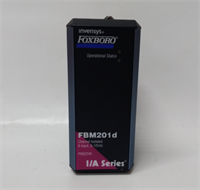
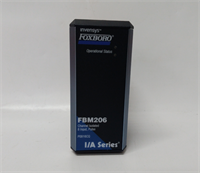
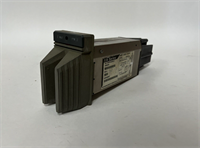
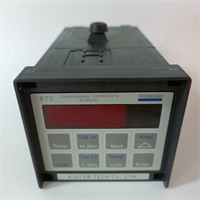
The FOXBORO SRI986-BIDS7ZZZNA is a high-performance smart electro-pneumatic valve positioner manufactured by Schneider Electric’s Foxboro brand. It receives standard analog control signals (like 4-20mA) to precisely regulate the position of pneumatic valve actuators in industrial automation settings. This unit is widely deployed in oil & gas, chemical processing, and power generation facilities where accurate flow, pressure, or level control is non-negotiable.What sets this model apart is its rugged environmental tolerance and straightforward mechanical setup. Field engineers appreciate that the zero and span can be adjusted independently using just two screws, which drastically cuts down calibration time during commissioning. It handles extreme ambient temperatures ranging from -40°C to +80°C and carries multiple intrinsically safe certifications (ATEX, FM, CSA), making it a solid choice for hazardous area operations.
Installation & Configuration Guide
Phase 1: Preparation (10 min)
- Verify the tag plate matches your P&ID requirements (specifically the air supply and fail-safe action).
- Ensure the pneumatic air supply is clean, dry, and regulated. Dirty air is the number one killer of these units.
- Gather basic tools: a flathead screwdriver for terminals and adjustment screws, and a 4-20mA signal source.
Phase 2: Removal of Old Unit (5–10 min)
- Depressurize the air supply lines completely before loosening any fittings.
- Disconnect the electrical wiring. If replacing an older Eckardt unit, take a quick photo of the existing terminal layout—trust me, you’ll want that reference later.
- Unbolt the positioner from the valve yoke (NAMUR interface).
Phase 3: Installation (10 min)
- Mount the SRI986 onto the actuator using the standard NAMUR bracket. Ensure the feedback lever moves freely through the entire stroke without binding.
- Connect the air supply tubing (usually 1/4″ NPT). Double-check that the supply pressure falls strictly within the 1.4 to 6 Bar range.
- Wire the 4-20mA input signal to the designated terminals. Pay attention to polarity.
Phase 4: Power-On & Test (10 min)
- Apply the 4-20mA signal. The unit should power up immediately.
- Perform a mechanical zero and span check. Rotate the respective adjustment screws until the valve stem aligns perfectly at 4mA (0%) and 20mA (100%).
- If using HART, connect your communicator to verify device status and fine-tune damping or amplification factors.
Troubleshooting Quick Reference
| Symptom | Probable Cause | Action |
|---|---|---|
| No response / Dead unit | No current signal or loose wiring | Measure terminal voltage; ensure loop current is present (min. 4mA). |
| Hunting / Oscillation | Amplifier gain too high or loose linkage | Check mechanical coupling tightness; adjust damping/gain potentiometers slightly. |
| Slow valve movement | Low air supply pressure | Verify supply is ≥ 1.4 Bar; check for clogged air filters or restrictors. |
| Fails to reach full open | Span setting incorrect | Re-calibrate span at 20mA input; ensure air supply pressure is sufficient for full stroke. |
| Erratic positioning | Moisture in air supply | Drain air filter bowls; moisture interferes with the internal pneumatic nozzle. |
Dimensions, Mounting & Wiring Notes
- Mounting Interface: Designed for direct NAMUR mounting (IEC 534 Part 6) on linear or rotary actuators.
- Air Connections: Standard pneumatic ports (check specific G/NPT thread variant on physical label upon arrival).
- Electrical Entry: M20 cable gland entries typical for this series. Ensure glands are tightened properly to maintain the IP65 rating against dust and washdowns.
- Feedback Lever: Must be aligned horizontally at the mid-stroke position during initial mounting to ensure linear travel.
FAQ
Q: Is this compatible with older Eckardt positioners?
A: Yes. Foxboro acquired Eckardt, and the SRI986 series is designed as a direct functional replacement for many legacy Eckardt electro-pneumatic positioners. The mounting footprint generally adheres to the same industry standards.Q: I’m not great with digital tools. Is this hard to calibrate manually?
A: Not at all. One of the best features of this specific model is that you don’t need a HART communicator to get it running. You can perform a full zero and span calibration just by turning two mechanical screws on the housing. It’s very field-friendly.Q: What is the lead time and minimum order quantity?
A: We currently have new surplus stock available for immediate dispatch. There is no high minimum order quantity (MOQ); we can ship single units if you just need a spare for critical maintenance.Q: Can I use this in a Class 1 Division 1 hazardous area?
A: The SRI986-BIDS7ZZZNA carries intrinsic safety certifications (ATEX, FM, CSA). However, always cross-reference the specific entity parameters on the nameplate with your local barrier or isolator specifications to ensure full compliance with your plant’s safety integrity level.Q: Does it support split-range control?
A: Yes. Because of its low input impedance (around 260Ω), this positioner can easily accept split-range signals (e.g., dividing a 4-20mA signal into segments) allowing one controller to operate multiple valves.