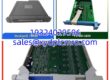
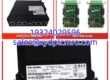
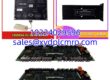
Key Technical Specifications
- Measurement Type: Precision Angular Position
- Environmental Rating: Marine-grade ruggedized housing (Verify exact IP/IP68 rating against OEM manual)
- Signal Output: Standard marine communication protocol (NMEA/Modbus/Analog – confirm specific suffix)
- Operating Temperature: Extended marine range (Typically -25°C to +70°C; verify exact spec)
- Power Supply: 24V DC Nominal (Typical marine standard; check voltage tolerance)
- Anti-Interference: High EMI/RFI immunity for shipboard electrical noise
- Integration: Standardized mechanical/electrical interfaces for drop-in retrofit
- MTBF: High reliability rating for continuous offshore operation
Product Introduction
Saltwater and constant vibration destroy standard sensors, but the KONGSBERG RMP200-8 was built specifically to survive offshore platforms and vessel hulls. I’ve seen cheaper angle sensors drift by degrees after just one North Atlantic winter, yet this unit maintains its calibration through heavy seas and extreme temperature swings. It serves as the critical feedback element in marine positioning systems, ensuring your dynamic positioning (DP) system actually knows where the thrusters are pointing.Engineers specify this unit because it delivers exact angular data without requiring constant recalibration, directly supporting safe navigation and structural monitoring. The housing is designed to reject the massive electrical noise generated by shipboard generators and thruster drives, which is where most generic sensors fail. Just be aware that this specific revision can be sensitive to improper grounding; if you don’t bond the chassis correctly to the vessel’s ground plane, you’ll chase ghost errors for weeks.

Quality SOP & Tech Pitfalls
The Lab Report (SOP)
Before this unit leaves our facility, it goes through a strict validation process. We start with a visual and counterfeit check to ensure the housing seals and connectors are genuine KONGSBERG components. Next, it undergoes a live test on our marine simulation rack to verify angle output accuracy across the specified range. We perform insulation resistance checks using a calibrated Fluke 1507 insulation tester to guarantee the internal windings haven’t been compromised by moisture. Finally, we log the firmware version and seal it in anti-static packaging with desiccant.The Engineer’s Warning (Pitfalls)
Do not assume the new unit has the same internal configuration as the old one. I once swapped an RMP200-8 on a drillship without verifying the factory jumper settings, and the DP system threw a “sensor mismatch” fault that took six hours to diagnose. Always photograph the DIP switch and jumper block on the failing unit before removal. Also, marine environments are brutal on ESD protection; if you touch the connector pins without a grounding strap, you can fry the internal ADC. Treat this sensor like a precision instrument, not a lightbulb.
Installation & Configuration Guide
- Pre-Installation: ️ LOCKOUT/TAGOUT THE MAIN DISTRIBUTION PANEL. Wait a minimum of 5 minutes for internal capacitors to discharge. Before touching anything, take high-resolution photos of the existing wiring, DIP switches, and jumper settings. Verify 0V potential with a multimeter.
- Removal: Label every wire with a marine-grade tag. Release the DIN rail clips or unbolt the mounting flange carefully. Inspect the old connector for corrosion; if the pins are green or pitted, replace the connector, not just the sensor.
- Installation: COPY ALL DIP SWITCH AND JUMPER SETTINGS FROM THE OLD UNIT TO THE NEW ONE. This step prevents 90% of startup communication failures. Seat the module firmly on the DIN rail or bolt it down with marine-grade stainless hardware. Torque to spec.
- Power-On & Testing: Restore 24V DC power and monitor the LED boot sequence. Verify the status LED indicates normal operation (not fault/red). Check the DP console or monitoring software for valid angle data. Perform a physical range check if safe to do so, comparing the digital readout to a mechanical reference.

Compatible Replacement Models
| Compatibility Tier | Model / Action | Notes |
|---|---|---|
| Drop-in Replacement | KONGSBERG RMP200-8 (Exact Match) | 100% hardware/software match. Verify suffix letters match exactly. |
| ️ Software Compatible | KONGSBERG RMP200-8-X (Newer Rev) | Same mechanical footprint, but may require firmware update or parameter reconfiguration in the DP system. Budget 2-4 hours for commissioning. |
| Hardware Mod Required | KONGSBERG RMP300 Series | Requires new mounting bracket, wiring harness adapter, and full DP system re-integration. Only recommend during scheduled dry-dock upgrades. |
Frequently Asked Questions (FAQ)
Can I hot-swap this sensor while the vessel is in DP mode?
No. Absolutely not. Pulling this sensor while the DP system is active will cause a position reference loss and likely trigger an emergency disconnect. You must take the vessel out of DP mode, secure the position, and follow proper lockout procedures before swapping.Is this unit waterproof enough for subsea deployment?
It is marine-grade and handles splash zones and heavy weather, but it is not a subsea ROV sensor. If you’re mounting it below the waterline or in a flooded compartment, verify the exact IP rating in the OEM manual. Most RMP200-8 units are IP66/IP67, not IP68 for continuous immersion.Why is my new sensor showing erratic readings after installation?
Nine times out of ten, it’s a grounding issue or a mismatched DIP switch setting. Marine environments have massive electrical noise. Ensure the sensor chassis is bonded to the vessel’s ground plane with a low-impedance strap, and double-check that every jumper matches the old unit exactly.Does this come with a warranty?
Yes, we provide a 1-year warranty against manufacturing defects. If it fails under normal marine operating conditions within that period, we replace it. We don’t cover damage from lightning strikes, improper installation, or using the wrong voltage.How do I know if I’m getting a counterfeit?
KONGSBERG sensors are counterfeited. Genuine units have specific holographic labels, serialized QR codes, and precision-machined housings. If the price seems too good to be true, it probably is. Buy from authorized distributors or verified surplus dealers who perform live testing, not just visual inspections.Can I use standard marine cable for the connection?
Yes, but use shielded, twisted-pair marine cable rated for the environment. Unshielded cable will pick up thruster noise and corrupt your angle data. Keep the signal cable routed away from high-current power lines and thruster motor feeds.