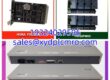
Key Technical Specifications
- Product Model: AD908JQ
- OEM Part Number: P0916CC
- Manufacturer: Foxboro (Invensys)
- Product Type: Fieldbus Communication Module
- Data Transfer Rate: 2 Mbps
- Operating Voltage: 24V DC
- System Compatibility: Foxboro I/A Series DCS
- Mounting Style: Control Room Rack Mount
- Physical Weight: 1.2 kg
- Safety Certification: UL Listed
Product Introduction
I’ve spent countless hours staring at flashing red LEDs on a Foxboro rack when a comms card decides to quit on a Friday night. The AD908JQ is one of those classic I/A Series fieldbus communication modules that bridges the gap between your FBM (Field Bus Module) and the node processor. When this card dies, your distributed I/O goes blind, and you lose visibility into critical process variables. It’s a fundamental piece of the puzzle for keeping the plant running.Engineers keep these on the shelf because finding a working 2Mbps fieldbus card for legacy I/A systems isn’t exactly a walk in the park anymore. It does exactly what it’s supposed to do: push data at 2Mbps reliably. Just be warned, this specific revision can be incredibly sensitive to grounding loops and dirty power. If your 24V supply has ripple, it will throw errors. Treat it right, and it’ll run for decades. Treat it poorly, and you’ll be chasing ghosts in the system logs.
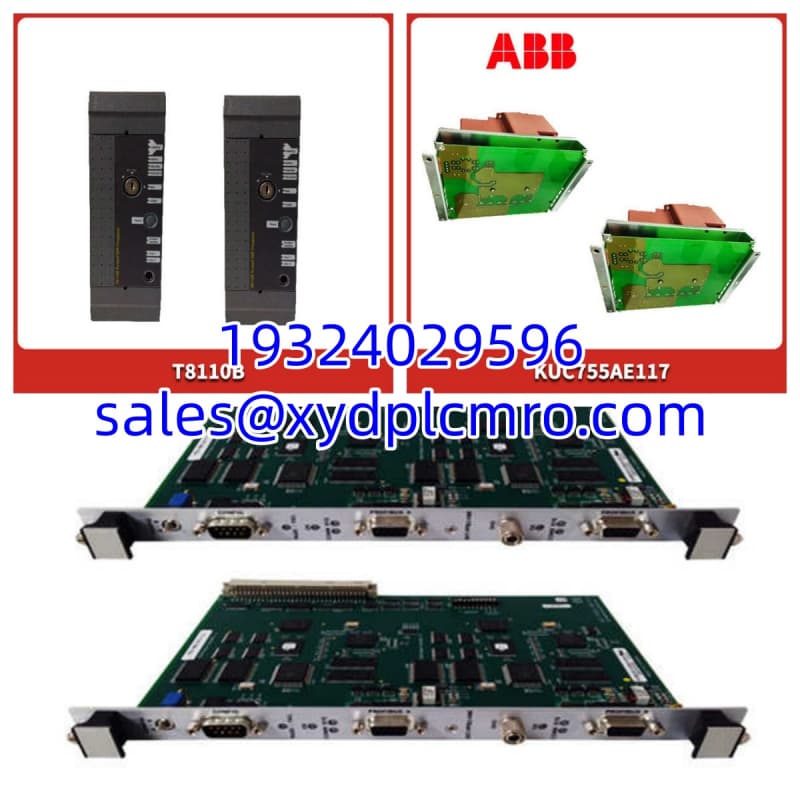
Quality SOP & Tech Pitfalls
I don’t trust “tested” stickers from random eBay sellers. Before this AD908JQ ever ships, it goes through a brutal SOP. First, we do a visual and counterfeit check under magnification to ensure no one re-marked a dead board. Then, it goes onto a live I/A Series test rack for a 24-hour burn-in. We use a Fluke 115 to verify the 24V DC input tolerance and check insulation resistance. Finally, we log the firmware version and seal it in anti-static packaging.Here is the reality check: Do not ignore DIP switch settings or termination jumpers. I once watched a junior tech swap this exact card, leave the termination jumper in the wrong spot, and reflect signals down the fieldbus. It took down three other nodes on the same segment. Always photograph the old card’s jumper settings before pulling it. Also, ESD will fry these older Foxboro boards instantly. Wear your wrist strap, or don’t touch it.
Installation & Configuration Guide
- Pre-Installation: ⚠️ Safety First. Ensure the rack power is safely isolated if required by your plant’s hot-work policy. Discharge any static. Take a high-resolution photo of the old AD908JQ, specifically focusing on all DIP switches and jumpers.
- Removal: Label every single wire and fieldbus cable before disconnecting. Release the DIN clips or rack locking screws carefully. Slide the old card out straight to avoid bending the backplane pins.
- Installation: Copy the DIP/Jumper settings exactly. This step prevents 90% of startup communication failures. Align the new AD908JQ with the backplane guides and seat it firmly but gently. Lock it into place.
- Power-On & Testing: Re-apply 24V DC power. Watch the LED boot sequence. You should see normal heartbeat/status indicators, not fault codes. Verify fieldbus communication in your I/A Series workstation and confirm data is flowing from the FBMs.
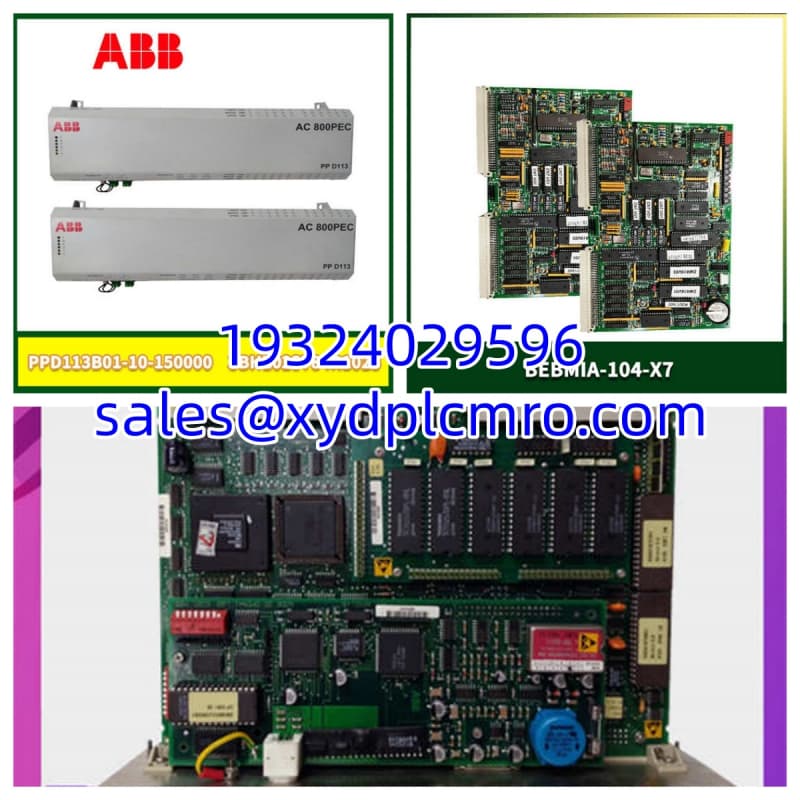
Compatible Replacement Models
- ✅ Drop-in Replacement: P0916CC (This is the exact OEM base part number for the AD908JQ. Hardware and firmware are identical.)
- ⚠️ Software Compatible: AD908AE / AD908AC (These are sibling fieldbus modules. Hardware fits the rack, but you may need to recompile logic or verify firmware compatibility in the I/A Series node. Estimate 2-4 hours of engineering time.)
- ❌ Hardware Mod Required: FCM10EF (This is a newer generation Fieldbus Communication Module. It requires a different backplane wiring scheme and updated node processor firmware. Do not buy this as a direct drop-in unless you are upgrading the whole node.)
Frequently Asked Questions (FAQ)
Can I hot-swap this AD908JQ while the rack is powered?
Technically, the I/A Series supports hot-swapping, but I strongly advise against it for communication cards unless absolutely necessary. Pulling a live fieldbus card can cause a transient voltage spike that fries the backplane or adjacent FBM cards. Shut down the node if you can.Is this AD908JQ a brand new original or a refurbished unit?
Because Foxboro discontinued this specific part, true factory-new units are practically extinct. The units we supply are New Surplus or professionally refurbished. They are fully tested on a live rack, but they aren’t fresh off a 2005 assembly line.What happens if I lose power to the 24V supply momentarily?
The AD908JQ has minimal internal capacitance. A brownout will cause it to reboot immediately. When it comes back up, it has to re-establish the 2Mbps fieldbus link, which takes a few seconds. During that window, your FBM data will freeze. Ensure your 24V power supply is clean and backed up.Can I use a standard multimeter to test if this card is dead?
You can check for 24V DC at the input terminals, but a multimeter won’t tell you if the internal fieldbus ASIC is fried. You need a live test rack to verify data throughput. If the LEDs are dead and you have 24V at the pins, it’s likely toast.Do I need to reconfigure the node processor when I install this?
If you are replacing a failed AD908JQ with an identical AD908JQ (and the jumpers match), the node processor should recognize it automatically. No reconfiguration is needed. If you substitute a different revision, you might need to update the node’s hardware database. Always check the OEM manual for your specific I/A Series version.