Product Introduction
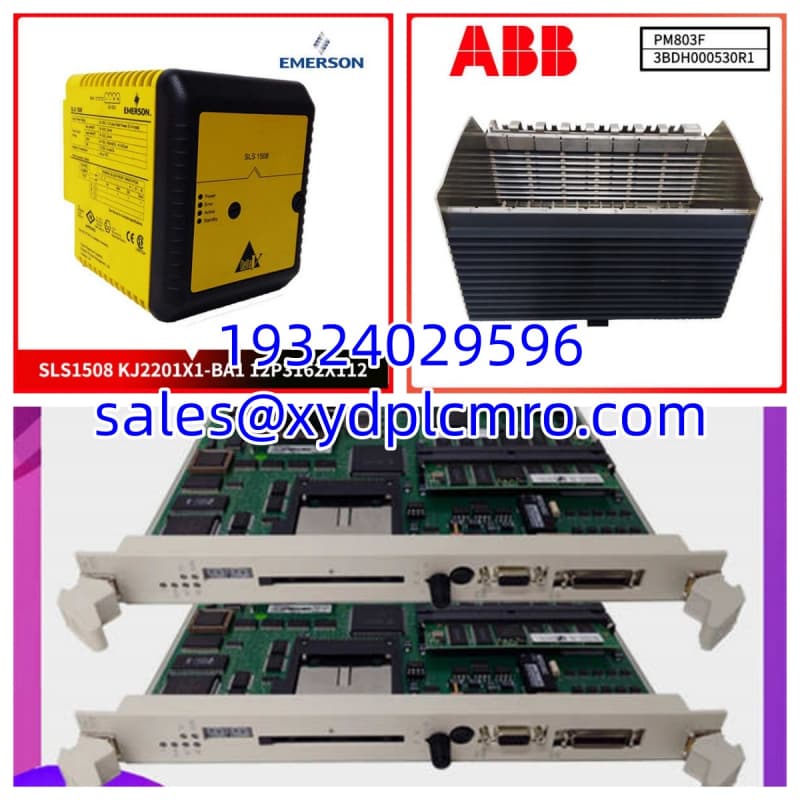
The ABB 2RAA005844A0007J is a high-performance servo drive from the COM0011 series, engineered for applications where precision, reliability, and uptime are critical. This drive serves as the core motion control component in systems ranging from industrial robotics to wind turbine pitch and yaw control.Designed for harsh industrial environments, it features a robust form factor and advanced control algorithms to ensure smooth operation and high dynamic response. The 2RAA005844A0007J designation indicates a specific configuration within the COM0011 family, optimized for particular torque and speed requirements. It is a direct replacement for legacy units in existing ABB motion control systems, minimizing integration complexity.
Key Technical Specifications
| Parameter | Value |
|---|---|
| Model Number | 2RAA005844A0007J |
| Product Series | ABB COM0011 |
| Device Type | Servo Drive / Motion Controller |
| Primary Application | Wind Power, Industrial Robotics, Petrochemical |
| Mounting Type | Panel Mount / Backplane |
| Communication | Fieldbus Compatible (e.g., PROFINET, EtherCAT) |
| Input Voltage | 3-Phase AC (Check Nameplate) |
| Protection Class | IP20 (Typical for panel mount) |
| Operating Temp | 0°C to +45°C (No derating) |
| Cooling Method | Forced Air / Fan Cooled |
| Certifications | CE, UL, cUL (Verify on unit label) |
| Warranty | 1 Year (Supplier Dependent) |
Application Scenarios & Pain Points
The Scenario:
A wind turbine’s yaw system is experiencing intermittent positioning errors, causing misalignment with the wind and reducing power output. Diagnostics point to a failing servo drive. Replacing the ABB 2RAA005844A0007J with a non-OEM or incorrectly configured unit can lead to poor dynamic response, excessive mechanical wear on the yaw gear, or even a complete system shutdown during high winds.Common Applications:
- Wind Turbines: Pitch and yaw control systems requiring high reliability in remote, harsh conditions.
- Industrial Robotics: Joint actuation for assembly, welding, and palletizing robots.
- Petrochemical Processing: Precision valve control and pump regulation in hazardous areas.
- Material Handling: High-speed conveyor and crane positioning systems.
Field Note:
“I’ve seen technicians swap this drive and immediately get a ‘Communication Fault’ because they didn’t update the node ID or fieldbus configuration. The drive is fine, but the PLC can’t talk to it. Always document the original drive’s software parameters and hardware switch settings (like DIP switches for bus termination) before removal. A photo with your phone takes 10 seconds and saves 4 hours of troubleshooting.”
Quality Control Process
We treat every servo drive as a mission-critical component. Here is our verification workflow:
- Inbound Inspection: We verify the model
2RAA005844A0007Jagainst the purchase order and check the ABB nameplate for authenticity. We look for signs of physical damage, liquid ingress, or unauthorized repairs. - Visual & Mechanical: We inspect the backplane connector for bent or corroded pins. We check the cooling fan for free rotation and listen for bearing noise. We ensure all terminal screws are present and not stripped.
- Functional Test: We power up the drive in a controlled test bench. We verify it boots without faults, accepts fieldbus commands, and can enable a test motor (or simulated load). We monitor internal temperatures and fan operation.
- Parameter Verification: We read back the core configuration parameters and compare them to the expected factory defaults or the customer’s provided backup (if available).
- Final QC: We perform a final visual check, seal the unit in an anti-static bag with desiccant, and attach a QC pass tag with the test date and technician ID.
Installation Pitfalls Guide
- ❗ Grounding & Shielding: This is the #1 cause of “ghost” faults. The servo drive’s chassis must be bonded to the panel ground with a low-impedance connection. Motor and encoder cables must use shielded cable, with the shield terminated 360° at the drive end. A floating shield is an antenna for noise.
- Cooling Airflow: Do not block the fan intake or exhaust. Mounting the drive upside down or in a sealed enclosure without external cooling will cause thermal shutdown in minutes. Ensure at least 100mm of clearance above and below the unit.
- Brake Resistor Wiring: If your application uses a brake resistor, ensure it is correctly wired and rated for the drive’s braking energy. An open brake resistor circuit will cause an immediate “Overvoltage” fault during deceleration.
- Firmware Mismatch: Replacing an old drive with a new
2RAA005844A0007Jmay mean different firmware. The new drive might have different parameter addresses or fault codes. Always consult the latest manual for the specific firmware version on the replacement unit. - Encoder Cable Pinout: Double-check the encoder cable pinout against the drive manual. Swapping signal and ground pins can damage the encoder interface circuit instantly. When in doubt, use a pre-made, certified ABB cable.