Product Introduction
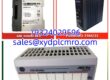
The METSO D201189 is a 16-channel digital input module engineered for the Valmet DNA automation system, widely used in the pulp, paper, and power generation industries. It serves as the critical interface between field devices—like limit switches and pressure transmitters—and the central controller, converting real-world on/off signals into data the system can process. Honestly, this is the kind of component you don’t think about until a single bad channel forces an unnecessary process shutdown.Its main advantage is the high channel density and robust electrical isolation, which protects the sensitive backplane electronics from voltage spikes on the field wiring. This design choice is actually clever, as it prevents a wiring fault in the field from taking down the entire I/O rack. It’s a workhorse component, but you must verify your system’s firmware version to ensure it’s recognized correctly.
Key Technical Specifications
| Parameter | Value |
|---|---|
| Product Model | D201189 |
| Manufacturer | METSO |
| Product Type | Digital Input Module |
| Compatible System | Valmet DNA (Metso DNA) |
| Number of Channels | 16 |
| Nominal Input Voltage | 24 VDC |
| Signal Type | Dry Contact / Wet Contact (Source) |
| Electrical Isolation | Channel-to-Backplane (Galvanic) |
| Input Current | Approx. 5 mA per channel |
| Logic 1 Voltage | 15 to 30 VDC |
| Logic 0 Voltage | 0 to 5 VDC |
| Status Indicators | Per-channel LED |
Application Scenarios & Pain Points
A paper mill in the Southeast had a recurring issue where their pulper level indicator would drop out randomly. It wasn’t the sensor; it was a single failing input channel on a module just like the D201189. The on-call engineer spent hours tracing wires before swapping the module, which fixed the problem instantly. This is a classic example of how a small, inexpensive component can cause massive headaches and production losses.
- Pulp and Paper Production: This is the native environment for the D201189. It’s used extensively to monitor the status of valves, motors, and tank levels across the entire process, from the digester to the reel.
- Power Plant Auxiliaries: In biomass or recovery boiler control systems, this module handles digital feedback from hundreds of limit switches and motor control centers. Its electrical isolation is critical in these high-noise environments.
- Water Treatment Facilities: For facilities using Valmet DNA, the D201189 is the standard for monitoring pump status, filter positions, and chemical feed system alarms.
- What if you have a mix of wet and dry contacts? The D201189 can typically handle both, but you need to configure your wiring correctly. Mixing them on the same module without understanding the common connections can lead to ground loops and false readings.
Quality Control Process
We know that a faulty I/O module can send an operator down the wrong troubleshooting path for hours. That’s why our testing for a digital input module like the D201189 is meticulous. We don’t just power it on and call it a day.
- Inbound Inspection: We verify the part number and revision level against Metso’s documentation. We inspect the pin connectors for any signs of arcing or bending, which can cause intermittent communication faults with the backplane.
- Live Functional Test: The module is installed in a live Valmet DNA I/O rack. We use the system’s hardware configurator to ensure the module is identified correctly and has no internal diagnostics errors.
- Full I/O Signal Sweep: This is the most critical step. We use a variable DC power supply to apply a voltage to all 16 channels, one by one. We verify that each corresponding LED on the module lights up and, more importantly, that the “1” status is read correctly by the controller software.
- Isolation Test: We perform a spot check with a multimeter to confirm the galvanic isolation between the field wiring terminals and the module’s internal logic is intact. A short here is a common failure mode.
- Final QC & Packaging: After passing all tests, we generate a simple pass/fail report. The module is then sealed in an anti-static bag with a desiccant pack to prevent moisture damage during transit.
Installation Pitfalls Guide
I/O modules are generally plug-and-play, but “generally” is the keyword. I’ve seen simple mistakes turn a 15-minute replacement into a half-day ordeal.
- ❗ Firmware Version Mismatch: A new D201189 might have a newer hardware revision that your main processor’s firmware doesn’t recognize. Always check your system’s firmware compatibility list before swapping. A module that isn’t recognized will show a hardware fault, not an I/O fault.
- ❗ Wiring Diagram Confusion: The terminal assignments for source/sink inputs can be tricky. Don’t assume the wiring is the same as the old module you pulled out. Take a clear photo of the wiring before you disconnect anything. Then take another one.
- ❗ Ignoring the Status LEDs: The LEDs are your best friend. If you apply 24V to a channel and the LED doesn’t light up, the problem is either your field wiring or the module input itself. It saves you from having to go online with the CPU to diagnose a wiring issue.
- ❗ Forcing the Module into the Slot: These connectors are precise. If it doesn’t slide in smoothly, don’t force it. Check for bent pins on the backplane or debris in the slot. Forcing it can bend the pins, and then you have a much bigger problem than a bad I/O module.
- ❗ ESD Damage: It’s easy to get complacent. But a little static shock from your body can damage the input circuitry. It might not kill the channel instantly, but it can make it unreliable. Use a wrist strap. It’s a $5 insurance policy for a multi-hundred dollar part.