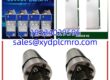
Key Technical Specifications
- Product Model: GE IS230TNRLH1B
- Manufacturer: General Electric (GE)
- System Architecture: Mark VIe Distributed Turbine Control System
- Module Type: Digital Relay Output Module
- Channel Capacity: 16 Independent Relay Outputs
- Operating Voltage: 24V DC, 120V AC, 240V AC (Configurable)
- Safety Certification: IEC 61508 SIL 2 and SIL 3
- Isolation Rating: Optical Isolation
- Protection Features: 7 Built-in Fuses for Overcurrent Protection
- Installation Method: DIN Rail Mounting

System Positioning and Downtime Impact
The GE IS230TNRLH1B serves as a critical final execution component within the Mark VIe distributed turbine control architecture. It is responsible for driving field actuators, valves, and other process elements essential to the safe and efficient operation of gas turbines. If this module fails, the control system loses its ability to execute vital safety interlocks and operational commands. In critical power generation or oil and gas facilities, a failure in this module without a redundant backup can lead to an uncontrolled turbine shutdown or a failure to protect personnel and assets, resulting in severe safety incidents and massive financial losses.
Reliability Analysis and Common Failure Points
Designed for extreme reliability in harsh industrial environments, the IS230TNRLH1B features optical isolation and built-in overcurrent protection. Despite this robust design, aging hardware introduces specific vulnerabilities. Common failure modes include degradation of internal relays due to continuous switching cycles, failure of the optical isolation barriers caused by transient voltage spikes, and blown internal fuses from field wiring shorts. The module’s numerous test points and jumpers provide diagnostic capabilities, but physical wear remains a concern. Preventive maintenance for this legacy module must include rigorous visual inspections of the DIN rail mounting, cleaning of ventilation paths to prevent overheating, and verifying the integrity of field wiring to avoid stressing the onboard protection circuits.

Lifecycle and Migration Strategy
The GE IS230TNRLH1B is officially classified as an obsolete legacy component. Continuing to rely on it poses severe procurement risks, as global surplus stock is rapidly depleting and prices are subject to extreme volatility. As a temporary mitigation strategy, facilities must secure a strategic reserve of tested, certified spare modules and consider specialized board-level repair services to extend operational life. For long-term viability, a system migration is mandatory. The manufacturer’s recommended upgrade path involves migrating to the latest Mark VIe or Mark VIe S platform with current-generation I/O modules. This migration requires comprehensive engineering efforts, including re-validating safety logic, updating I/O database configurations, and conducting rigorous Factory Acceptance Testing (FAT) to ensure seamless integration with existing turbine control architectures.