 Tel:
Tel:  Email:
  WhatsApp:
 Description
Product Introduction
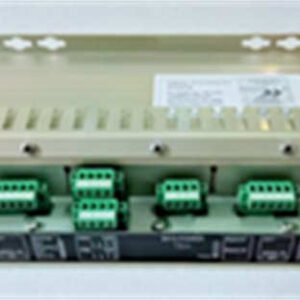
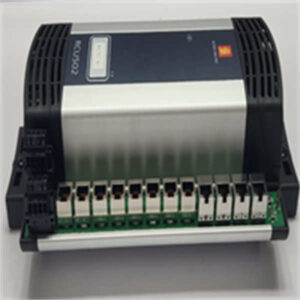
The KONGSBERG MP5810 is a digital input/output (I/O) module engineered for integration into KONGSBERG’s K-Chief series and other marine automation platforms. This component acts as the critical bridge between the central processor and field devices, handling discrete signals for monitoring and control tasks aboard vessels.Reliability in harsh maritime conditions is the defining feature of this series. It operates on a 24 VDC supply and typically offers 16 digital input/output points, designed to withstand the vibration, humidity, and electrical noise inherent in shipboard environments. We currently hold New Original (New Surplus) stock, fully tested to ensure it meets the stringent demands of marine operations before shipment.
Key Technical Specifications
- Product Model: KONGSBERG MP5810
- System Compatibility: KONGSBERG K-Chief Series
- Module Type: Digital Input/Output (I/O)
- Power Supply: 24 VDC
- I/O Configuration: 16 Digital Points (Configurable)
- Mounting Style: DIN Rail
- Operating Environment: Marine Grade (High Humidity/Vibration Tolerance)
- Signal Type: Digital/Discrete
- Connection Method: Screw Terminal Blocks
- Isolation: Channel-to-Channel Isolation (Typical)
- Status Indication: LED per I/O Point
- Warranty: 12 Months
Application Scenarios & Pain Points
When a propulsion system alarm fails to trigger in the wheelhouse due to a faulty I/O module, the consequences can range from inconvenient to catastrophic. The MP5810 is the component responsible for ensuring these critical digital signals—like “low lube oil pressure” or “high engine temperature”—are accurately transmitted from the engine room sensors to the central control system.
- In Engine Monitoring Systems: It interfaces directly with limit switches and proximity sensors. Without a robust isolation barrier, electrical noise from large motors can corrupt the data, leading the bridge to believe everything is normal when it is not.
- For Ballast Control Operations: The module controls valve actuators and pump status indicators. A failure here could mean a valve doesn’t receive the “open” command, halting the entire ballasting sequence and delaying departure.
- Within Integrated Bridge Systems (IBS): It handles navigation light status and rudder angle feedback. If the module’s internal watchdog timer fails, the entire IBS network might drop that specific node, forcing the crew into manual overrides during critical maneuvers.
- During Automated Berthing: The system relies on precise timing from digital inputs. Any latency or signal drop caused by a degraded module can throw off the synchronization of thrusters, making docking maneuvers much more difficult for the captain.
Case Study: A container vessel in the North Sea experienced intermittent failures in its fire detection system. The alarms would sound randomly, then go silent. Upon inspection, the engineering team found that the MP5810 module in the affected zone was suffering from “phantom” inputs caused by poor isolation. Replacing the aging module with a New Original unit from our inventory resolved the ghost signals immediately. The crew reported stable operation throughout the subsequent winter voyage, highlighting how a single component’s integrity safeguards the entire vessel’s automation reliability.