 Tel:
Tel:  Email:
  WhatsApp:
 Description
Product Introduction
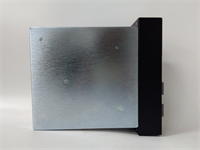
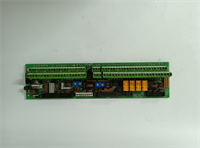
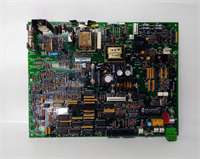
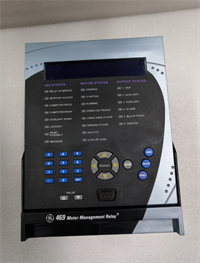
When you’re maintaining legacy military or industrial automation systems, finding a reliable VMEbus CPU that won’t crash due to thermal throttling is half the battle. The GE VMIVME3125 is a ruggedized Single Board Computer (SBC) built around the Intel Pentium III architecture. It slots into the VME64x backplane and acts as the central processing unit for systems that demand x86 compatibility in a harsh environment. Unlike generic PCs, this board is designed to handle the shock, vibration, and temperature extremes you often encounter in the field.What makes this specific model stand out is its balance of processing power and legacy I/O support. It runs at 1 GHz, which was a significant leap for VME systems at the time, allowing it to handle complex control algorithms without lag. It integrates 512 MB of RAM (soldered or DIMM, depending on revision) and includes a PCMCIA slot—critical for booting the operating system from flash memory in headless environments. Honestly, in the world of EOL (End-of-Life) industrial hardware, this board has a solid track record for keeping aging radar or process control lines operational without needing a complete system overhaul.
Key Technical Specifications
| Parameter | Value |
|---|---|
| Processor | 1 GHz Intel Pentium III (x86 architecture) |
| Memory | 512 MB SDRAM (expandable on some revisions) |
| Bus Standard | VME64x (ANSI/VITA 1-1994) |
| Ethernet | 10/100Base-T (RJ45) |
| Storage Interface | PCMCIA Type II slot (IDE compatible) |
| Serial Ports | 2 x RS-232/485 (typically front-panel accessible) |
| Operating Temp | -40°C to +85°C (rugged industrial/military grade) |
| Power Requirement | +5 Vdc (Typical), -12 Vdc, +12 Vdc (VMEbus spec) |

Application Scenarios & Pain Points
The Midnight Pager Scenario
Imagine it’s 2 a.m., and the on-call engineer gets paged because the production line for a critical aerospace component has ground to a halt. The root cause? The VME crate’s CPU board has failed. The plant runs on a 24/7 shift, and a standard commercial PC replacement won’t fit in the rack or survive the factory floor vibrations. This is exactly where the GE VMIVME3125 earns its keep.Application List
- In Military Radar Systems: The board’s extended temperature range and conduction-cooled options make it suitable for avionics and ground-vehicle electronics where reliability is non-negotiable.
- For Industrial Process Control: If you’re running a legacy SCADA system in a petrochemical plant, this SBC provides the necessary processing power to manage I/O modules without the risk of fan failure (as it often relies on passive cooling).
- Telecom Infrastructure: Older telecom switching cabinets often utilized VME architecture; having a spare VMIVME3125 on the shelf prevents weeks of downtime waiting for a last-time-buy component.
- Medical Imaging (Legacy): Some older MRI or CT scanner control systems relied on VMEbus standards, requiring this specific form factor for repairs.
- Transportation Signaling: Railway signaling systems that haven’t been upgraded in decades still depend on this hardware—can you afford the risk of a stock-out?
Case Study: Semiconductor Fab Downtime Recovery
A semiconductor fabrication plant in the Midwest experienced a catastrophic failure of their wafer handling robot controller. The original CPU was a custom VME board that was no longer supported. The engineering team scrambled and found that the GE VMIVME3125 was pin-compatible with their backplane. By leveraging the PCMCIA slot to load the legacy DOS-based control software, they had the robot arm moving again within 4 hours. This saved the plant an estimated $250,000 in potential lost wafer production that day.