 Tel:
Tel:  Email:
  WhatsApp:
 Description
Key Technical Specifications
| Parameter | Specification |
|---|---|
| Part Number | 2082 |
| Function | Signal Isolator / Barrier |
| Input Signal | 4-20 mA, Voltage, Digital |
| Output Signal | Isolated Analog/Digital Signal |
| Supply Voltage | 24 V DC (±20% tolerance) |
| Max Input Current | 20 mA |
| Isolation Voltage | Up to 250 V |
| Operating Temp | -20°C to +60°C |
| Protection Rating | IP20 |
| Dimensions | 22.5 mm × 114 mm × 100 mm |
| Connection Type | Screw Terminals |
| Certifications | ATEX, IECEx |
Product Introduction
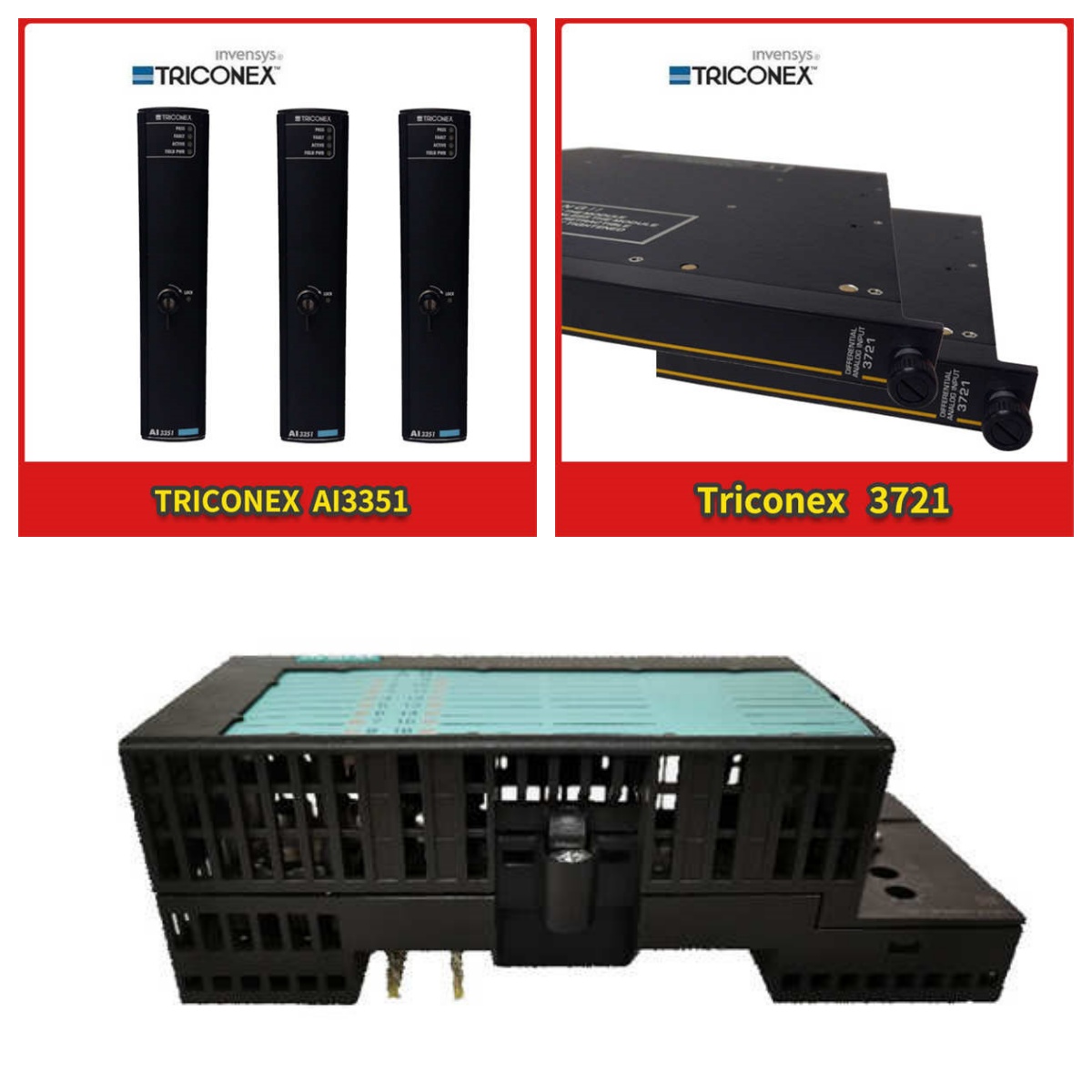
The PEPPERL+FUCHS 2082 is an active signal isolator designed for safe area to hazardous area interfacing. It prevents ground loops and protects control systems from high-voltage spikes originating in the field. This unit is essential for applications requiring reliable transmission of 4-20 mA or voltage signals between non-hazardous control cabinets and intrinsically safe field devices.From a maintenance perspective, this module simplifies loop troubleshooting by providing galvanic separation between input, output, and power supply. It supports standard DIN rail mounting, allowing for quick replacement without rewiring the entire panel. The device operates effectively within a temperature range of -20°C to +60°C, ensuring stability even in unheated industrial enclosures.
Installation & Configuration Guide
Preparation (10 min)
Verify the part number on the label matches your schematic. Check the DIP switches located on the side of the housing; these determine the input/output ranging (e.g., 4-20 mA vs. 0-10 V). Ensure you have a 24 V DC power supply ready.
Removal (5–10 min)
If replacing an existing unit, disconnect the 24 V DC power first. Use a flathead screwdriver to loosen the terminal screws. Gently pull the wires out. Release the module from the DIN rail by pulling the locking tab at the bottom of the unit downward.
Installation (10 min)
Snap the new module onto the 35 mm DIN rail. Connect the power supply to terminals 1 and 2 (verify polarity). Wire the input signal to the designated input terminals and the output to the load. Tighten terminals to 0.5 Nm to prevent vibration-induced loosening.
Power-On & Test (10 min)
Apply 24 V DC. Inject a known 4 mA signal at the input. Measure the output; it should mirror the input (1:1 ratio) unless configured otherwise. If the LED indicators do not light up, check the fuse or supply voltage immediately.
Troubleshooting Quick Reference
| Symptom | Probable Cause | Corrective Action |
|---|---|---|
| No Output Signal | Power supply missing or reversed | Measure voltage at terminals 1/2. Ensure 24 V DC is present. |
| Signal Drift | Ground loop interference | Verify galvanic isolation is active. Check grounding points. |
| LED Error Light | DIP switch configuration error | Power down, verify DIP switch settings against manual, reset. |
| Overheating | Ambient temp >60°C or overload | Check cabinet cooling. Verify load resistance is within spec. |
Dimensions, Mounting & Wiring Notes
- Dimensions: 22.5 mm width × 114 mm height × 100 mm depth.
- Mounting: Standard 35 mm DIN rail (top-hat profile).
- Wiring: Use stranded wire with ferrules for screw terminals to ensure a solid connection.
- Clearance: Maintain at least 5 mm spacing between adjacent modules for heat dissipation.
FAQ
Q: Can I use this for HART protocol signals?
A: Generally, yes, but you must verify the bandwidth limitations. Standard barriers can sometimes filter out the digital HART frequency if not specified as “HART transparent.” Check the specific datasheet revision for frequency response.Q: Does the 2082 require a separate power supply?
A: Yes. This is an active isolator, meaning it needs external power (typically 24 V DC) to function. It will not pass the signal if the power is off.Q: What does the “HiD” prefix mean in some listings?
A: “HiD” often refers to a specific sub-series or housing type (like High Density). While electrically similar, always double-check the physical dimensions to ensure it fits your cabinet layout.Q: I see “Ch.1” and “Ch.2” on the diagram. Is this dual channel?
A: The labeling can be tricky. Some versions are single channel, while others might support split configurations. Look at the terminal block count; a standard 2082 is typically a 1-channel isolator, but verify the wiring diagram on the side sticker.Q: Is this unit suitable for Zone 1 environments?
A: The module itself is usually mounted in the safe area (Zone 2 or non-hazardous) and connects to Zone 1 devices. It provides the intrinsic safety barrier required for that connection. Do not mount the module directly inside a Zone 0 environment.