
 Tel:
Tel:  Email:
  WhatsApp:
 Description
Product Introduction
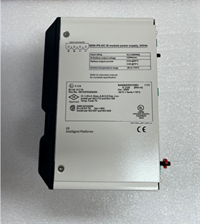
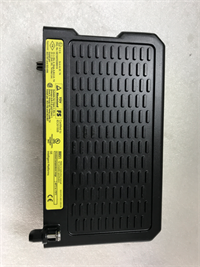
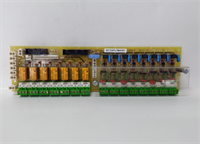
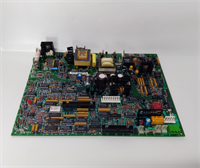
Monitoring turbine exhaust temperature is non-negotiable in power generation; a drift of just a few degrees can cascade into blade damage. The GE IS200TTURH1CCC (S1DF00Z) is a dedicated RTD input module engineered for the rugged demands of the Mark VIe control system. It acts as the sensory nerve for temperature-critical assets, translating resistance signals from 12 individual 3-wire sensors into actionable data for the controller. Unlike generic I/O, this module is hardened against the electromagnetic interference prevalent in generator switchyards.Its core value lies in signal integrity and redundancy. The 3-wire compensation design effectively cancels out lead wire resistance, ensuring the data hitting the CPU is accurate within ±0.5%. For maintenance teams, this translates to fewer nuisance trips and a longer mean time between failures (MTBF). It slots directly into the Mark VIe rack, maintaining the system’s high-speed communication backbone without latency bottlenecks. Honestly, in a turbine environment where heat and vibration are constant enemies, having an I/O module that doesn’t drift over time is half the battle won.
Key Technical Specifications
- Product ID: IS200TTURH1CCC
- OEM Part Number: S1DF00Z
- Function: RTD Input Module
- Input Channels: 12 Points
- Wiring Type: 3-Wire Configuration
- Compatibility: GE Mark VIe Control System
- Signal Type: Resistance Temperature Detector (RTD)
- Isolation: Field to Logic (High Voltage Isolation)
- Status Indicators: LED Indicators for Power and Health
- Operating Temp: 0 °C to 60 °C (Standard Industrial Range)
Application Scenarios & Pain Points
The Scenario:
Imagine a combined-cycle plant in Texas during peak summer. The Mark VIe system is pushing the turbine to its limits, and the exhaust thermocouples are screaming. Suddenly, the operator sees “Sensor Drift” on the HMI. The unit trips offline. An engineer scrambles, only to find that the old I/O module’s internal resistors had shifted due to thermal cycling, corrupting the calibration. Restarting the unit takes 4 hours, costing the plant tens of thousands in lost generation fees.The Solution:
The GE IS200TTURH1CCC is built to prevent this exact headache. Here is where it pulls its weight:
- Power Generation (Gas Turbines): In a GE Frame 7 or Frame 9 machine, this module monitors the exhaust spread. If one can annulus runs hotter than the rest, the IS200TTURH1CCC catches it instantly, allowing the control system to adjust fuel flow before thermal stress cracks the blades.
- Oil & Gas Compression: Compressor stations often run unmanned. If a bearing temperature spikes due to lubrication failure, does the control system react in milliseconds or minutes? This RTD module provides the early warning needed to execute a safe, controlled shutdown, preventing a $500k rotor rebuild.
- Industrial Co-Generation: Ever tried troubleshooting a flickering temperature reading at 2 a.m.? The 3-wire design of this module eliminates the guesswork caused by long cable runs. It gives you a stable baseline, so when the alarm sounds, you know it is a real process issue, not just a noisy wire.
Case Study (Anonymized):
A power plant in the Midwest was experiencing intermittent “Bad Input” faults on their turbine exhaust temperature readings. The maintenance team initially suspected the RTD sensors themselves were failing due to the high heat. However, after replacing several sensors with no luck, they focused on the I/O module. Upon inspection, the resistors on the old S1DF00Z module were found to be out of tolerance. They installed a new GE IS200TTURH1CCC. The “Bad Input” alarms stopped immediately, and the temperature readings stabilized. This simple swap saved the plant from a potential forced outage and restored confidence in their control system’s health monitoring.