
 Tel:
 Email:
 WhatsApp:
Description
Key Technical Specifications
- Manufacturer: B&R Industrial Automation
- Product Type: Brake control circuit board
- Applicable System: B&R ACOPOS servo drive platform
- Command Inputs: Digital signal, analog signal, bus communication
- Brake Outputs: Digital output, PWM output, relay output
- Interface: Terminal block / connector interface
- Primary Role: Brake release, hold, monitoring, and fault-safe brake control
- Brake Voltage/Current: Not confirmed — verify against motor brake nameplate and OEM docs
- Mounting: Drive cabinet / ACOPOS system mounting; exact slot or location must be confirmed on-site
- Firmware/PCB Revision: Not published in available sources — match from old board
Product Introduction
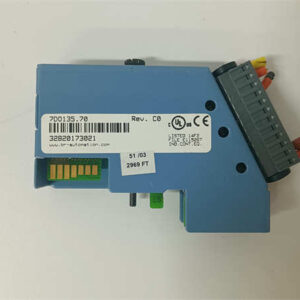
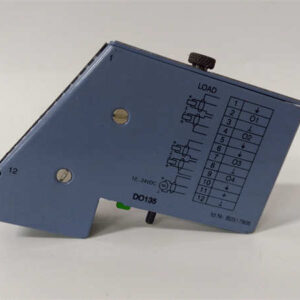
Vertical axes do not forgive sloppy brake control. If the brake releases late, the servo fights it. If it releases early, the load drops. The BRAKE BCC-1 exists for exactly that gap in the B&R ACOPOS ecosystem: it takes the drive’s brake command and turns it into a timed, monitored, and fault-safe brake output.Engineers keep this board in spare stock because it is not a generic relay. It interacts with brake monitoring logic, release timing, and fault reactions inside the ACOPOS system. The inputs can come from digital signals, analog references, or bus commands, and the outputs can drive digital lines, PWM-controlled brake circuits, or relay-based brake coils. My only reservation: this is a legacy part, and PCB revisions can change pin assignments. Always match the old board before swapping.
Quality SOP & Tech Pitfalls
The Lab Report (SOP)
- Visual and counterfeit check: B&R markings, PCB revision, solder quality, connector condition.
- Connector inspection: Bent pins, corrosion, burnt terminals, cracked solder joints.
- Insulation/resistance check: Fluke 115 or equivalent for shorts, opens, and ground faults on output circuits.
- Live test on test rack: Apply safe 24 V DC control power; verify relay/PWM/digital outputs respond to simulated commands.
- Brake output verification: Confirm output state changes, hold behavior, and fault-safe release/hold logic.
- Firmware/revision logging: Record PCB revision, serial number, and any visible firmware labels.
- Anti-static packaging: ESD bag, revision label, and photo documentation before shipment.
The Engineer’s Warning (Pitfalls)
- Do not treat BRAKE BCC-1 as a universal brake relay. It is tied to ACOPOS brake monitoring and timing logic. Drop in a generic relay and you may lose brake feedback, monitoring, or safe-state behavior.
- Brake voltage mismatch kills coils. A 24 V DC brake coil fed with the wrong supply will either chatter or burn out. Check the motor brake nameplate first.
- PCB revision matters. I once saw a replacement board arrive with the same “BCC-1” label but a different connector layout. The tech forced it in, the brake output never energized correctly, and the axis drifted during commissioning. The fix was matching the old PCB revision and pinout, not arguing with the drive alarm.
Installation & Configuration Guide
1. Pre-Installation
- ⚠️ Perform a proper safety shutdown. Lock out/tag out the drive and brake power.
- Wait for DC bus discharge. Do not assume the cabinet is safe because the HMI is off.
- ⚠️ Photograph every label, connector, DIP switch, jumper, and wire tag on the old board.
2. Removal
- Label all brake output wires and control signal wires.
- Disconnect brake power separately from control signals.
- Release DIN clips or mounting screws carefully. Do not pull by the connectors.
3. Installation
- Copy all DIP switch/jumper settings from the old board. This prevents most no-start and brake-fault issues.
- Seat the new BRAKE BCC-1 firmly. Check connector alignment before applying power.
- Verify brake coil voltage rating matches the output circuit.
4. Power-On & Testing
- Apply 24 V DC control power first. Check LED indicators.
- Verify brake output state with the drive disabled.
- Enable the drive and confirm brake release timing.
- Test fault response: remove enable or trigger a safe stop and confirm the brake engages.
- Confirm there are no brake monitoring alarms in the ACOPOS project.
Compatible Replacement Models
| Compatibility Tier | Option | Notes |
|---|---|---|
| ✅ Drop-in Replacement | B&R BRAKE BCC-1, same PCB revision | Best choice if revision, connectors, and outputs match |
| ⚠️ Software Compatible | Other B&R ACOPOS brake control boards | May require project update, parameter migration, or firmware alignment |
| ⚠️ System Upgrade | Newer B&R ACOPOS brake control hardware | Expect wiring, parameter, and project recompilation effort |
| ❌ Hardware Mod Required | Generic brake relay boards | Not recommended unless the entire brake control scheme is re-engineered |
Frequently Asked Questions (FAQ)
Q1: Is BRAKE BCC-1 a PLC or communication module?
No. It is a brake control circuit board for the B&R ACOPOS servo system. It does not replace a CPU, I/O rack, or fieldbus adapter.Q2: Can I use it on any B&R drive?
Not automatically. It is documented for the ACOPOS servo family, but you still need to confirm the exact drive version, connector type, and brake output specification.Q3: What brake voltage does it support?
That value is not confirmed here. Check the motor brake nameplate, the original wiring diagram, and the B&R documentation. Guessing brake voltage is how you buy a new motor brake coil.Q4: Can I hot-swap it?
No. Brake circuits involve safety-related outputs. Power down the drive and brake supply, verify zero energy, then swap.Q5: What if the new board has a different PCB revision?
Stop. Compare connector positions, pinouts, jumpers, and output types before installing. A different revision can look identical until it does not release the brake.Q6: Do you supply test reports?
We can provide visual inspection, resistance checks, output verification, and photo documentation. Full system-level brake timing tests require the actual drive and motor brake load.Q7: Is this part still in production?
Likely not. Treat BRAKE BCC-1 as a legacy ACOPOS spare and verify availability, revision, and condition before committing to a purchase.