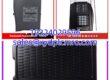
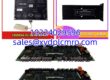
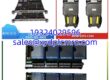
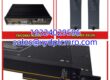
Key Technical Specifications
- Product Model: P8403 (Option 840-3)
- Manufacturer: ABB Robotics / HMS Networks (Anybus)
- Network Protocol: PROFINET IO Device
- Hardware Requirement: External PROFINET Anybus Device Adapter
- Controller Compatibility: IRC5 and OmniCore
- Data Exchange: Cyclic and Acyclic PROFINET Data
- IP Address Config: Supported via DCP or DHCP
- Physical Interface: Standard RJ45 Ethernet
- Baud Rate: 10/100 Mbps Auto-negotiation
- Mounting Location: Controller Cabinet Internal Slot
Product Introduction
Integrating an ABB robot into a Siemens-dominated plant network used to mean fighting with proprietary gateways and endless mapping tables. The ABB P8403 solves this by utilizing the 840-3 PROFINET Anybus Device option, which essentially plugs a certified third-party PROFINET stack directly into the robot controller’s internal bus. It’s a hardware-dependent solution, meaning the P8403 is the software license and interface board that talks to the physical Anybus adapter sitting in your cabinet.Engineers usually spec this out when they need a dedicated PROFINET Device without tying up the robot controller’s primary LAN3 or WAN ports. While the newer 888-2 option lets you use the controller’s native Ethernet ports, the P8403 remains a staple in older IRC5 cells because it isolates the PROFINET traffic completely. Just keep in mind that this specific board relies on an external physical module; if that adapter fails, replacing just the P8403 software card won’t fix your network drop. It’s a reliable, albeit older, bridge to the PROFINET world.
Quality SOP & Tech Pitfalls
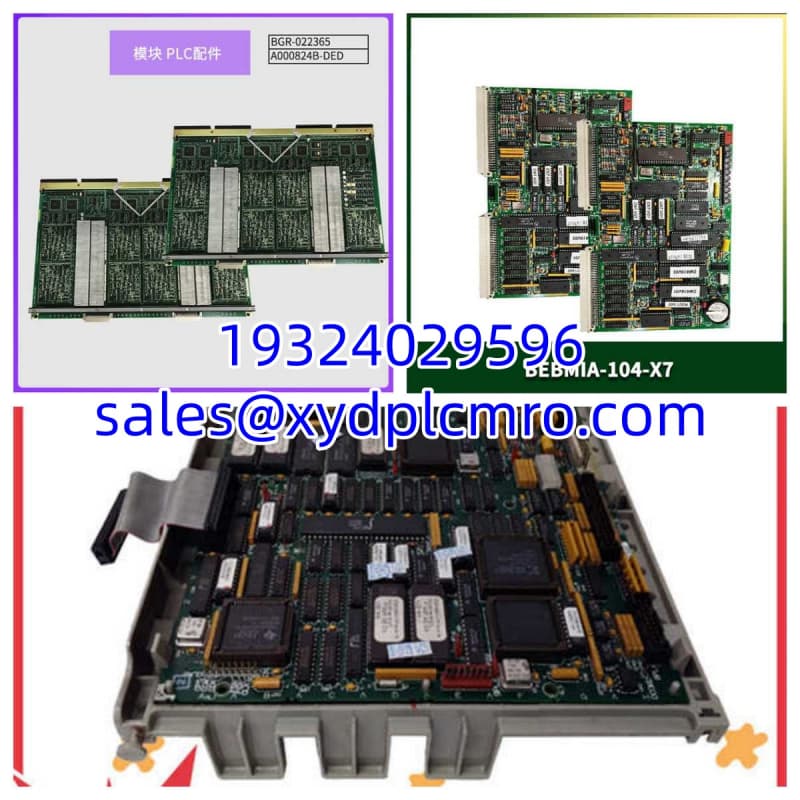
We don’t just pull these off a dusty shelf and ship them. Every P8403 goes through a strict lab protocol before it leaves. First, we do a visual and counterfeit check under magnification to ensure the PCB traces and connectors aren’t corroded. Then, it goes onto a live IRC5 test rack. We plug it into a real controller, load the PROFINET configuration, and verify it communicates with a Siemens S7-1500 PLC. We check insulation resistance with a Fluke 115, log the exact firmware version, and seal it in anti-static packaging.Here is the brutal reality of working with the P8403: it is entirely dependent on its external Anybus hardware. I’ve seen a tech spend four hours troubleshooting a P8403, swearing the board was dead, only to realize the physical Anybus adapter had a loose DIN rail connection and wasn’t getting 24V power. Another massive pitfall is DIP switch configuration on the external adapter. If you swap a P8403 and forget to copy the station address jumpers from the old adapter, the Siemens PLC will throw a red PROFINET error and halt the line. Always photograph the physical adapter’s jumpers before touching anything.
Installation & Configuration Guide
- Pre-Installation: ⚠️ SAFETY FIRST. Power down the robot controller and wait 5 minutes for the capacitors to discharge. Take clear photos of the existing P8403 card, the external Anybus adapter, and specifically the DIP switch/jumper settings.
- Removal: Label all Ethernet and internal ribbon cables. Release the DIN clips or unscrew the mounting brackets safely. Do not yank the internal ribbon cable; they tear easily.
- Installation: CRITICAL: Copy the DIP switch and jumper settings exactly from the old board to the new P8403 and external adapter. This prevents 90% of startup communication failures. Seat the module firmly into the internal slot and secure the mounting hardware.
- Power-On & Testing: Restore 24V control power and boot the controller. Check the LED sequence on both the P8403 and the external Anybus adapter. Open RobotStudio, verify the PROFINET Device is recognized, and test cyclic data exchange with the PLC before putting the cell back into production.
Compatible Replacement Models
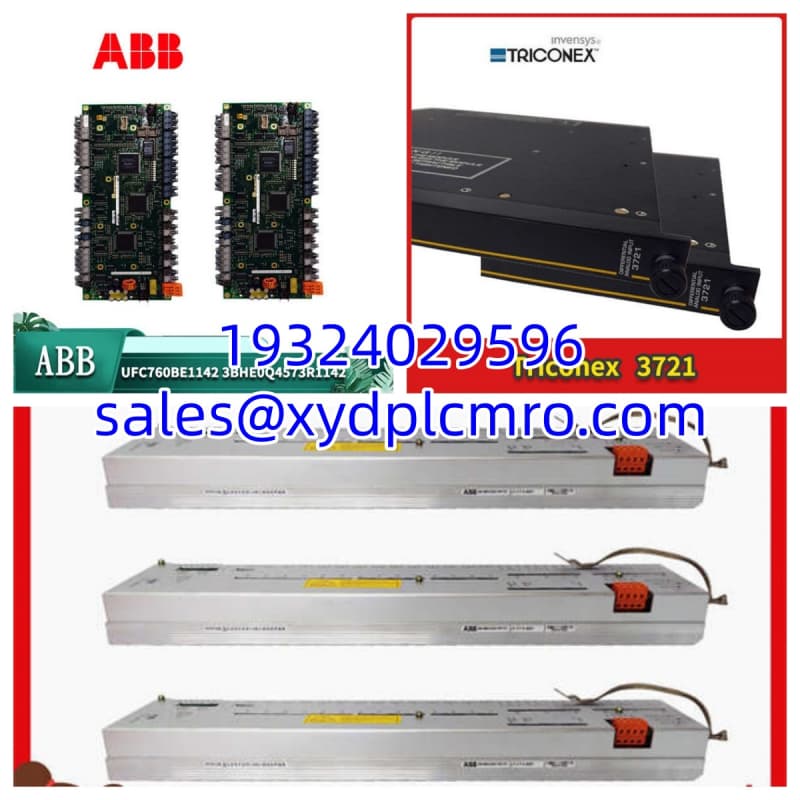
- ✅ Drop-in Replacement: ABB P8403 (Exact match, requires same external Anybus hardware).
- ⚠️ Software Compatible / Upgrade: ABB 888-3 PROFINET Device. Uses the controller’s native LAN3/WAN port, eliminating the need for external Anybus hardware. Requires RobotStudio configuration changes and PLC hardware reconfiguration.
- ❌ Hardware Mod Required: ABB 888-2 PROFINET Controller/Device. This requires a different internal license and acts as both a controller and device. Do not buy this as a direct swap for a P8403 unless you are upgrading the entire cell’s network architecture.
Frequently Asked Questions (FAQ)
Can I hot-swap the P8403 while the robot controller is running?
Absolutely not. Pulling this card under power will likely fry the internal bus or corrupt the controller’s system configuration. Always perform a full power-down cycle.Why is my Siemens PLC showing a red PROFINET light after installing this?
If the P8403 is seated correctly, the issue is almost always the external Anybus adapter. Check its 24V power supply, verify the Ethernet cable is a solid shielded CAT6, and ensure the station name/IP matches what the PLC expects.Do I need the external Anybus hardware for the P8403 to work?
Yes. The P8403 is just the interface card and software option. Without the physical Anybus adapter plugged into the controller’s external port, it will not communicate on the PROFINET network.Is the P8403 still supported by ABB?
It is officially discontinued and obsolete. ABB pushes the 888-2 or 888-3 options for new builds. However, for maintaining existing IRC5 cells, the P8403 remains the only direct hardware replacement for this specific setup.Will my existing robot program be deleted when I replace this board?
No. The P8403 only handles network communication. Your RAPID code, system parameters, and calibration data are stored on the controller’s mainboard or CF card. Just make sure to re-verify your PROFINET I/O mapping in RobotStudio after the swap.How do I know if my external Anybus adapter is bad or the P8403?
Check the diagnostic LEDs on the external adapter. If it has no power LED, check your 24V supply. If it has a link LED but no PROFINET activity, the P8403 might be faulty, or the GSD file is missing from the Siemens PLC. Always check the physical adapter first; it takes more abuse from heat and vibration.