Product Introduction
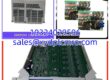
A short‑circuited solenoid coil can blow individual output channels on a safety rack without triggering full system trip. Triconex 3604E is a hot‑swappable TMR digital output module for Tricon safety instrumented systems, installed in SIS backplane slots to actuate emergency shutdown field hardware. Each channel carries independent fusing inside the module assembly.Many aftermarket substitute cards cannot satisfy SIL 3 fault‑detection timing under high field noise. This unit delivers <2 ms output response and flags open‑circuit or short‑circuit faults per individual channel. This hardware holds solid field credibility within petrochemical ESD loops — though your mileage may vary depending on field cable shielding quality. Well, technically it supports hot‑swap, but only when rack firmware runs TriStation 1131 v4.1 or newer. Verify with OEM datasheet before installation.
Key Technical Specifications
| Parameter | Value |
|---|---|
| Module Type | TMR Digital Output Module |
| Output Count | 16 channels, non‑commoned |
| Nominal Field Voltage | 24 VDC (22 VDC‑45 VDC operating range) |
| Per‑Point Max Current | 2 A, 10 A surge (10 ms) |
| Point‑to‑Point Isolation | 1500 VDC |
| Safety Certification | SIL 3, IEC 61508, ISA‑88 compliant |
| Operating Temperature | −40 °C … +70 °C |
| Storage Temperature | −45 °C … +85 °C |
| Enclosure Rating | IP20 (chassis‑mount) |
| Response Time | < 2 ms |
| Hot‑Swap Support | Yes (TriStation 1131 v4.1+) |
| Weight | 1.1 kg |
| Dimensions (W×H×D) | 130 mm ×130 mm ×165 mm |
Application Scenarios & Pain Points
Safety loops will pass periodic proof‑tests for years; one failing output channel on 3604E can disable critical shutdown functions without obvious system alarms. This card sits at the boundary between Tricon voting logic and final actuators, so it absorbs coil‑surge and ground‑loop stress from field wiring.
- Petrochemical ESD systems: Mounted inside NEMA‑12 safety cabinets where cabinet temperatures hit 58 °C during summer operation. Burnt‑on‑board fuses from solenoid surges create silent‑failed outputs. Confirm each channel status via TriStation diagnostics during monthly checks.
- Could you reuse existing field terminal assemblies when swapping a 3604E unit? Terminal block pin mapping shifts between E‑revision and earlier hardware variants. Cross‑reference module label pin‑out before reconnecting solenoid wiring.
- Power‑plant burner‑management control: Drive emergency trip solenoids for boiler fuel shutoff valves. 1500 VDC channel‑to‑channel isolation limits cross‑fault propagation when one load shorts. Keep 20 % spare channel allocation for future field modifications.
- Metallurgy furnace safety interlocks: Heavy VFD‑generated EMI fills cabinet environments. Install shielded 24 VDC field wiring and terminate shield at the cabinet ground bar. Unshielded runs produce intermittent channel fault flags that waste diagnostic hours.
Min / Max Stocking & TCO Perspective
ABC Classification: A‑Class critical safety spare. Single‑point‑of‑failure for SIF loops.
- Min stock (reorder trigger): 1 unit per active Tricon SIS cabinet; cross‑site shared buffer = 2 units total across facility group
- Max stock: 4 units total. EOL status creates high obsolescence risk as sites migrate to newer safety platforms.
- Reorder point formula: 6‑week typical procurement lead‑time consumption + safety stock = 1 unit safety buffer for lead‑time variability.
- Sourcing note: OEM last‑time‑buy window closed; only new‑surplus and fully‑tested surplus stock circulate. Vendor consolidation lowers counterfeit exposure for safety‑grade spares.
- Total‑cost‑of‑ownership angle: Carrying cost for two spare modules remains far lower than potential production loss from a SIS loop outage. Enable cross‑site inventory sharing to reduce capital locked into safety spares.
Quality Control Process
- Inbound Inspection: Match against OEM packing list and customs documentation for source traceability. Execute serial‑number lookup and hologram validation for anti‑counterfeit screening. Complete visual inspection for PCB corrosion, scratch marks, prior repair traces, or component yellowing. Audit accompanying accessories: hardware manual, OEM factory test certificate. All serial numbers get photo‑documented for internal trace records.
- Live Functional Test: Seat module inside a working Tricon Tricon chassis. Complete power‑on self‑check and record LED fault‑indicator boot sequence. Run backplane TMR voting handshake against TriStation 1131 v4.2 test environment. Sweep all 16 output channels across full 0‑2 A load range. Hold continuous 24‑hour burn‑in run; log module surface temperature rise. Generate standalone test report for each unit. We can share test video/photos on request.
- Electrical Parameters: 500 V megger verifies insulation resistance; pass threshold > 10 MΩ. Confirm chassis ground‑continuity path. Apply hi‑pot test at 1500 VDC per OEM test procedure.
- Firmware & Hardware Verification: Record exact hardware revision stamped to PCB. Photograph DIP‑switch and jumper positions as‑received. This module does not host user‑flashable application firmware; chassis firmware governs hot‑swap capability.
- Final QC & Packaging: Test engineer signs off inspection documentation. Seal unit inside anti‑static shielding bag. Apply bubble wrap and rigid carton packing. Attach QC‑Passed label stamped with inspection date. Passed all tests below; not 100 % fault‑free.
Installation Pitfalls Guide
❗ Each risk below comes directly from field swap‑outs I have observed.
- Firmware version mismatch. Older TriStation firmware releases cannot support 3604E‑E hardware revisions. Mismatched rack firmware produces backplane voting timeouts. Always log rack firmware revision before swapping safety I/O hardware.
- DIP‑switch / jumper misconfiguration. Factory jumper defaults rarely match site SIS termination requirements. Take a photo. Then take another one, before extracting the existing module. Misconfigured jumpers defeat per‑channel fault‑detection logic.
- Terminal / wiring incompatibility. Pin definitions change between hardware revisions of mating terminal assemblies. Never reuse old wiring schematics without cross‑checking against the physical module label. Mis‑wiring can bypass safety trip functions.
- Power‑supply undersizing. A single 3604E can draw significant inrush current when all 16 channels activate simultaneously. Calculate full‑rack 24 VDC load and retain 20 % power‑supply headroom. Undersized supplies trigger random SIS rack resets.
- ESD damage. Skip your ESD wrist strap a single time and this $3800 safety‑grade module can incur hidden internal damage that only surfaces under high‑load field conditions. Latent ESD faults are notoriously hard to isolate during commissioning.
FAQ
Q: Can 3604E work inside non‑Tricon third‑party safety racks?A: It will not operate outside native Tricon backplane architecture. Output channels stay inert without valid TMR voting from the host chassis.Q: What lead time should I plan with zero local stock?A: Verified new‑surplus stock requires 4‑6‑week typical lead‑time; short‑lead spot buys carry elevated counterfeit risk for safety‑critical hardware.Q: Should I execute large‑volume last‑time‑buy orders?A: Only if you run ≥ 4 active Tricon SIS cabinets. Cap total holdings at four units; obsolescence risk rises as facilities upgrade safety systems.Verify all hardware‑revision and firmware compatibility against OEM documentation prior to field installation.