 Tel:
Tel:  Email:
  WhatsApp:
 Description
Technical Specifications (For Spare Parts Verification)
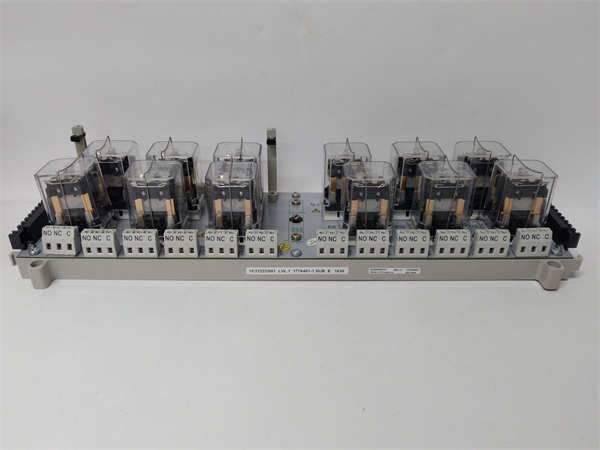
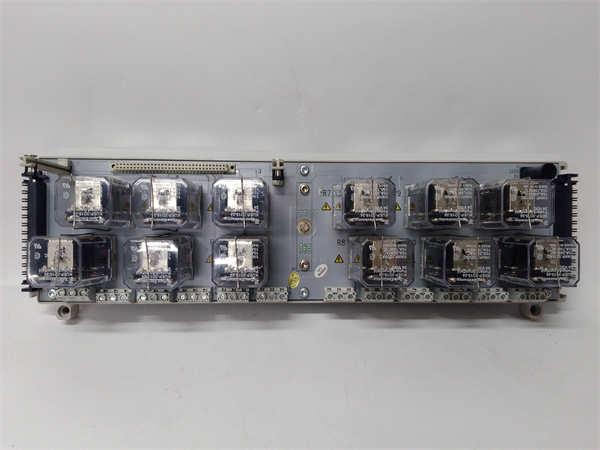
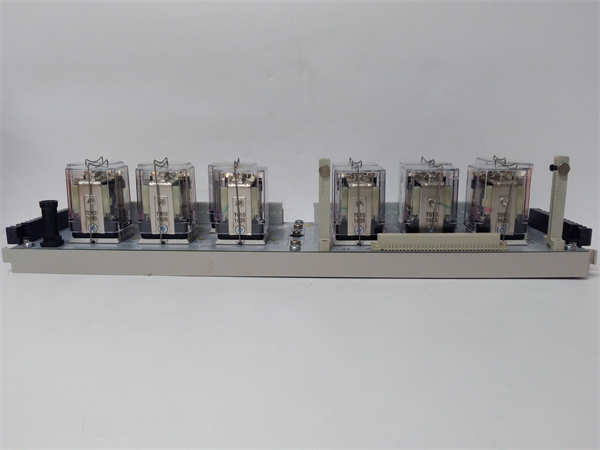
- Product Model: 1C31222G01
- Manufacturer: Westinghouse Electric Corporation (Ovation DCS product line)
- System Family: Ovation Distributed Control System (pre-Emerson integration era)
- Input Channels: 16 differential analog inputs
- Input Range: Supports 4–20 mA and 1–5 V DC (field-selectable via jumpers or software)
- Isolation: Channel-to-backplane isolation rated at 500 V RMS
- Accuracy: ±0.1% of full scale at 25°C
- Backplane Compatibility: Requires Ovation-specific I/O carrier (e.g., 1C31166G01 baseplate)
- Diagnostic Features: Basic open-circuit detection per channel; no advanced self-test
- Operating Temperature: 0°C to 60°C (non-condensing environment)
-

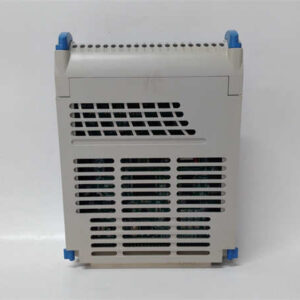
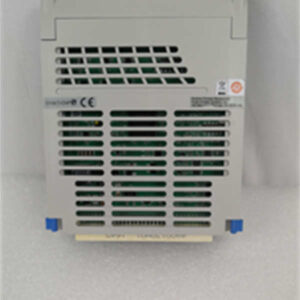
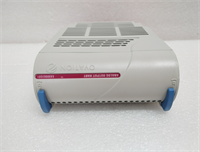
WESTINGHOUSE 1C31222G01
System Role and Downtime Impact
The 1C31222G01 serves as a foundational analog input module within legacy Ovation DCS cabinets, typically deployed in fossil fuel power plants, combined-cycle facilities, and industrial steam systems. It directly interfaces with field transmitters to digitize critical process signals such as boiler drum level, turbine exhaust temperature, and feedwater pressure. A failure of this module—whether partial (single channel) or total—compromises the integrity of associated control loops. In safety-critical applications, loss of multiple inputs can trigger protective logic, resulting in turbine trip or forced outage. Given its high channel density, a single module fault may affect numerous subsystems simultaneously, amplifying operational risk during unplanned events.
Reliability Analysis and Common Failure Modes
Despite its age, many 1C31222G01 modules remain in service due to the long asset life of power generation infrastructure. However, inherent design limitations increase vulnerability over time. The most frequent failure modes include degradation of onboard electrolytic capacitors—leading to signal drift or complete power regulation collapse—and corrosion of terminal blocks or backplane connectors in humid environments. Additionally, the module lacks modern transient protection; repeated exposure to ground loops or switching surges from nearby motor starters can damage input op-amps or isolation barriers. A key weakness is its reliance on non-volatile memory without robust error correction, making it susceptible to data corruption after extended operation or power anomalies. For maintenance teams, recommended actions include quarterly visual inspection for capacitor bulging, cleaning of backplane contacts with contact enhancer, verifying 24 VDC supply stability, and maintaining calibrated spares in climate-controlled storage to preserve component integrity.
Lifecycle Status and Migration Strategy
The 1C31222G01 has been officially discontinued by Emerson, with no direct “drop-in” replacement available under the current Ovation portfolio. Continued use carries significant risk: spare availability is restricted to brokered surplus or refurbished units, often without traceable calibration history, and technical support from OEM is limited to best-effort basis. As an interim measure, facilities may extend life through board-level repair (e.g., capacitor rework) or strategic stockpiling of verified-good units. For long-term sustainability, Emerson recommends migrating to the OVATION 5000 series I/O architecture, specifically the AI512 analog input module (part number 019-000512-001), which offers higher density, enhanced diagnostics, and native support for OPC UA. This migration, however, requires cabinet retrofitting, I/O retermination, and full reconfiguration in Ovation Engineering Studio—typically executed during major outages or as part of a phased DCS modernization program. Early planning is essential to avoid operational disruption driven by component obsolescence.