 Tel:
Tel:  Email:
  WhatsApp:
 Description
Key Technical Specifications (for Spare Part Verification)
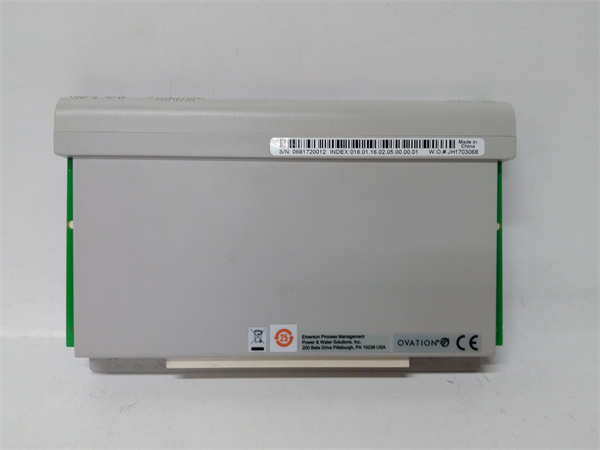
- Product Model: 1C31219G01
- Manufacturer: Westinghouse Electric Corporation (Process Control Division)
- System Family: Q-Line / Q-Series Distributed Control System (precursor to Ovation)
- Module Type: Digital (Discrete) Input Module
- Input Channels: 16 isolated channels
- Input Voltage Range: 24–125 V DC (typically used with 48 V or 125 V DC plant signals)
- Input Type: Dry contact or wetted voltage sensing
- Isolation: Channel-to-backplane isolation per IEEE/ANSI standards
- Backplane Interface: Proprietary Q-Line parallel bus (requires compatible Q-rack chassis)
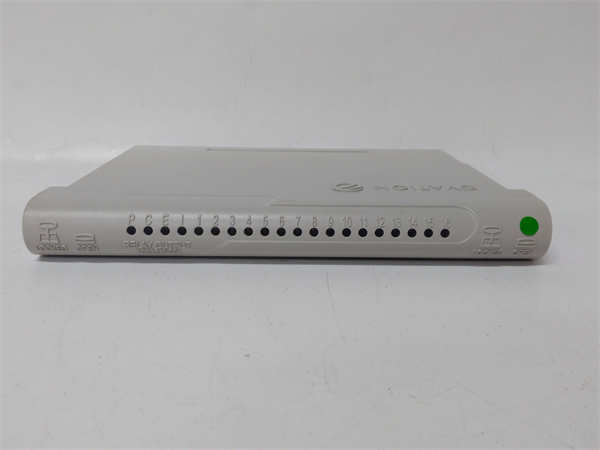
- Status Indication: LED per channel for live signal monitoring
- Mounting: Plug-in card for Q-Line I/O chassis (e.g., 1C311xx series racks)
System Role and Downtime Impact
The 1C31219G01 is a foundational I/O module in legacy Westinghouse Q-Series control systems, commonly deployed in fossil fuel power plants, industrial boilers, and early turbine control applications. It resides in remote I/O racks distributed throughout the plant, collecting critical binary status signals such as valve open/close feedback, pump running status, breaker positions, and emergency pushbutton states. These signals feed directly into safety interlocks and sequence logic executed by the central Q-CPU (e.g., 1C31177G01). A failure of this module—whether due to loss of input detection, false triggering, or complete communication dropout—can cause partial or total loss of situational awareness in the control system. In worst-case scenarios, it may lead to unintended trips, failure to initiate safety sequences, or forced derating of unit output. Given its role in safety-critical loops, its unavailability can result in extended unplanned outages until a verified replacement is sourced and installed.
Reliability Analysis and Common Failure Modes
Despite its age, many 1C31219G01 modules remain in service due to the robust design philosophy of Westinghouse’s Q-Line platform—built for harsh utility environments with wide temperature tolerance and high electrical noise immunity. However, decades of continuous operation have exposed predictable failure mechanisms. The most common issues stem from aging electrolytic capacitors on the power regulation circuitry, leading to unstable internal voltages and intermittent channel behavior. Opto-isolators, which provide input-to-logic separation, are another frequent point of degradation; their LED efficiency diminishes over time, causing missed transitions or delayed response. Additionally, the edge connector fingers are susceptible to oxidation and fretting corrosion, especially in high-vibration areas, resulting in intermittent backplane communication. From a design standpoint, the module lacks modern self-diagnostics and relies entirely on external CPU polling for health checks, making fault localization difficult. For maintenance teams, recommended preventive actions include: performing annual thermal imaging of installed modules to detect abnormal heating, verifying input thresholds with calibrated test sources during outages, inspecting and cleaning backplane connectors with contact enhancer, and maintaining a stock of tested spares under controlled storage conditions (low humidity, 15–25°C).
-

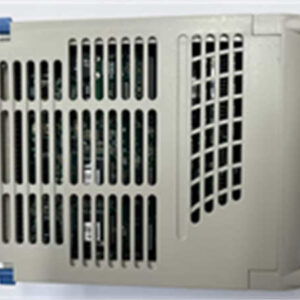
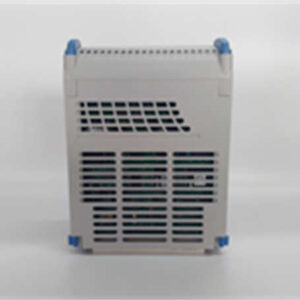
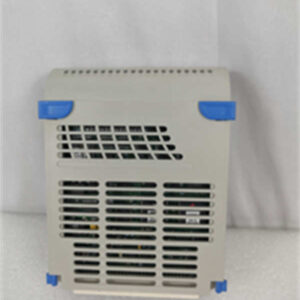
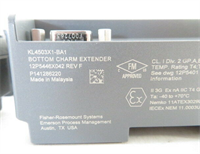
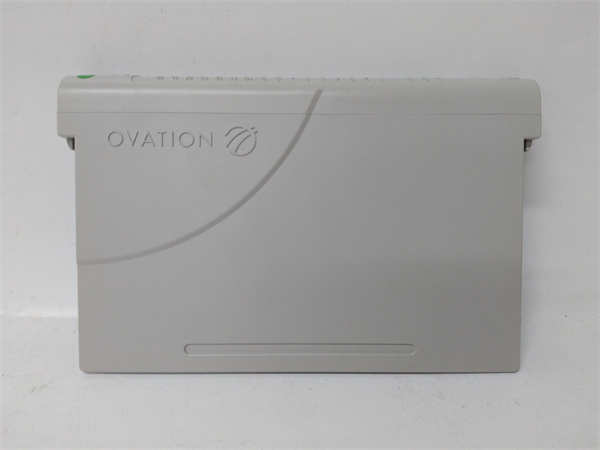
WESTINGHOUSE 1C31219G01
Lifecycle Status and Migration Strategy
The 1C31219G01 has been officially obsolete for over two decades, with Westinghouse (later acquired by Emerson) ending Q-Line production in the late 1990s in favor of the Ovation DCS platform. Continued use carries significant operational risk: genuine new-old-stock units are extremely scarce, secondary market prices are volatile, and counterfeit or misrepresented parts are increasingly common. Without access to factory repair or firmware support, failures must be addressed through third-party refurbishment or direct replacement. As a temporary measure, facilities often maintain a pool of pre-tested spares and implement board-level repair programs with qualified electronics restoration vendors. For long-term sustainability, the recommended migration path is a full or phased transition to the Emerson Ovation system. This involves replacing Q-Line I/O racks with Ovation EIO or FTE-based remote I/O, re-engineering control logic in Ovation Engineering Studio, and re-commissioning safety functions—a capital project that typically delivers improved cybersecurity, diagnostics, and integration with modern plant data infrastructure. For sites unable to justify full migration, hybrid solutions using protocol gateways (e.g., Modbus RTU to Ovation FTE) can extend the life of remaining Q-Line segments while isolating them from core control functions.