 Tel:
Tel:  Email:
  WhatsApp:
 Description
Technical Specifications (For Spare Verification)
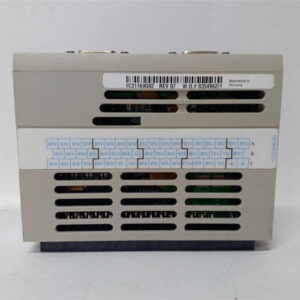
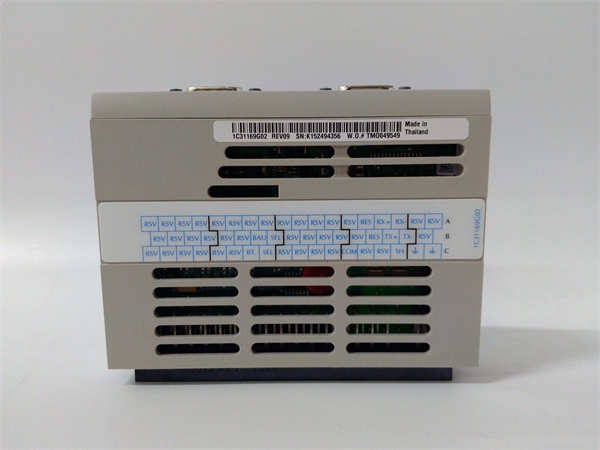
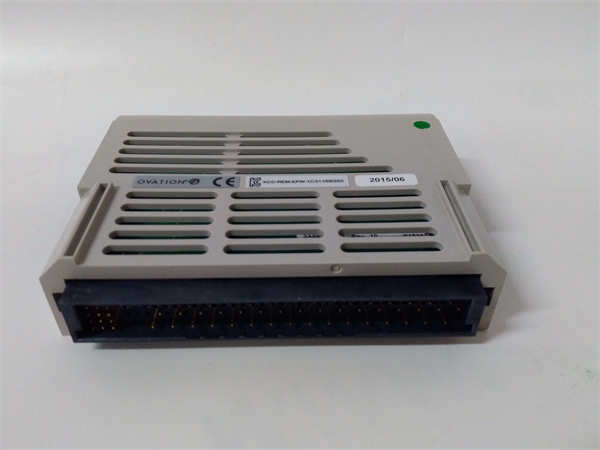
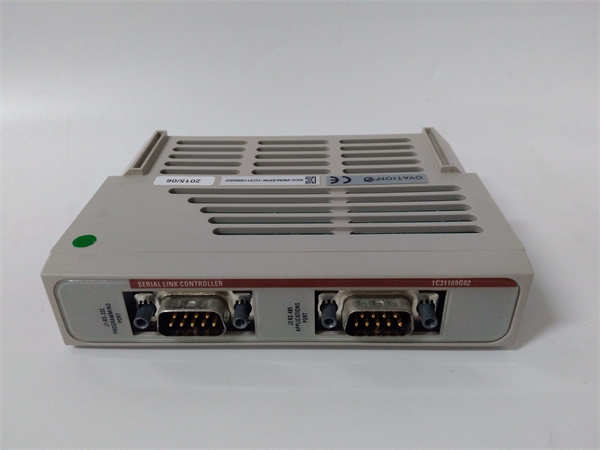
- Product Model: 1C31169G02
- Manufacturer: Westinghouse (Ovation DCS)
- System Compatibility: Ovation DCS (Classic architecture, pre-Emerson migration)
- Output Voltages: +5 VDC (logic), +15 VDC and –15 VDC (analog circuits)
- Total Power Rating: Approximately 150 W
- Input Voltage: 115/230 VAC auto-ranging, 50/60 Hz
- Redundancy Support: Hot-swappable; operates in parallel with identical unit for N+1 redundancy
- Diagnostic Features: Front-panel LEDs for AC OK, DC OK, and Fault; dry contact alarm output
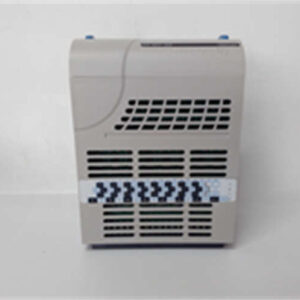
- Form Factor: Full-height module for Ovation I/O chassis (typically mounted in pairs)
- Cooling: Convection-cooled; requires adequate cabinet airflow
- Certification: UL, CSA, CE (per original installation era)
-

1C31169G02 WESTINGHOUSE
System Role and Downtime Impact
The 1C31169G02 is a foundational power infrastructure component within Westinghouse Ovation DCS cabinets, commonly deployed in fossil fuel power plants, combined-cycle facilities, and large industrial boilers. It converts plant AC power into the precise DC voltages required by analog input/output modules (e.g., 1C31116, 1C31122) and digital I/O cards. In redundant configurations, two units share the load; if one fails, the other sustains operation—provided it is not already degraded. However, in non-redundant or partially degraded setups, a single 1C31169G02 failure cuts power to an entire I/O group, causing immediate loss of critical measurements (e.g., drum level, turbine vibration, burner flame) and final element control (e.g., feedwater valves, damper actuators). This often forces operators into manual backup mode or triggers automatic turbine trip (AST) logic. Recovery requires physical replacement, which may involve system de-energization if not designed for hot-swap, followed by verification of all downstream I/O functionality. Given its age, spare units may fail immediately upon installation due to capacitor aging or firmware incompatibility.
Reliability Analysis and Common Failure Modes
Despite robust industrial design, the 1C31169G02 exhibits predictable failure patterns due to component aging and thermal stress:
- Electrolytic capacitor drying: Internal bulk and filtering capacitors lose capacitance over time, leading to output voltage ripple, instability under load, or complete shutdown during transient demand spikes.
- Thermal fatigue of solder joints: Repeated heating/cooling cycles crack solder connections around power components (e.g., transformers, rectifiers), causing intermittent output or open-circuit failure.
- Fan-less convection limitation: In high-ambient environments (>40°C), inadequate cooling accelerates semiconductor degradation, particularly in the switching regulator section.
- Alarm circuit drift: The fault detection comparator can become insensitive, failing to trigger the “Fault” LED or dry contact even when output is out of tolerance—masking a latent failure.
A critical vulnerability is that many plants operate these supplies beyond their design life without proactive testing. Unlike modern power supplies, the 1C31169G02 lacks remote health monitoring or predictive diagnostics.
Recommended preventive actions include:
- Performing annual output voltage and ripple measurements under full simulated load using calibrated equipment.
- Inspecting for bulging capacitors or discoloration during cabinet maintenance (with system safely isolated).
- Ensuring cabinet ventilation filters are clean and airflow paths unobstructed.
- Maintaining at least one fully tested, matched spare per redundant pair in climate-controlled storage.
-
1C31169G02 WESTINGHOUSE
Lifecycle Status and Migration Strategy
Emerson (as successor to Westinghouse’s automation business) has long since discontinued the 1C31169G02. It is not supported in current Ovation evo or DeltaV-integrated architectures. No new units exist; all available inventory is used, with unknown operational history and high risk of imminent failure. Continued use exposes critical infrastructure to avoidable outage risks and complicates regulatory compliance under NERC CIP or ISO 55000 asset management standards.
Short-term mitigation includes:
- Securing two verified, functionally tested spares per critical cabinet.
- Partnering with specialized industrial electronics repair firms capable of full capacitor replacement (“recapping”), burn-in testing, and calibration.
- Implementing external voltage monitoring via SCADA to detect early signs of output drift.
For long-term resilience, migration to the Ovation evo platform is the strategic path. Emerson’s modern I/O power architecture uses the 1C31287G01 or equivalent high-efficiency, digitally monitored power supplies with:
- Higher efficiency (>90%) and lower heat generation
- Built-in PMBus communication for real-time health reporting
- Seamless integration with Ovation evo controllers and DeltaV I/O networks
Migration typically occurs during major plant modernization projects and involves replacing entire I/O chassis, updating engineering databases, and revalidating control strategies. Facilities still dependent on the 1C31169G02 should conduct an immediate obsolescence risk assessment and develop a phased migration plan—delaying action increases the probability of a forced outage with significant safety and financial consequences.