 Tel:
Tel:  Email:
  WhatsApp:
 Description
Technical Specifications (For Spare Parts Verification)
- Product Model: TR-500Q-P-F1
- Alternate Part Number: 3503311-02
- Manufacturer: Triconex (a Schneider Electric company)
- System Compatibility: Tricon v2 and v3 mainframes (e.g., 3503E, 3504E chassis)
- Input Voltage: 85–264 VAC, 47–63 Hz (universal input)
- Output: 24 VDC nominal, 10 A continuous per rail (dual isolated outputs)
- Redundancy: Supports 2-out-of-3 (2oo3) power configuration in Tricon chassis
- Form Factor: Plug-in module for standard Tricon backplane
- Diagnostic Features: LED indicators for AC OK, DC OK, Fault; communicates status to Tricon MP module
- Certification: FM, CSA, ATEX, IEC 61508 SIL 3 compliant (as part of full Tricon system)
System Role and Downtime Impact
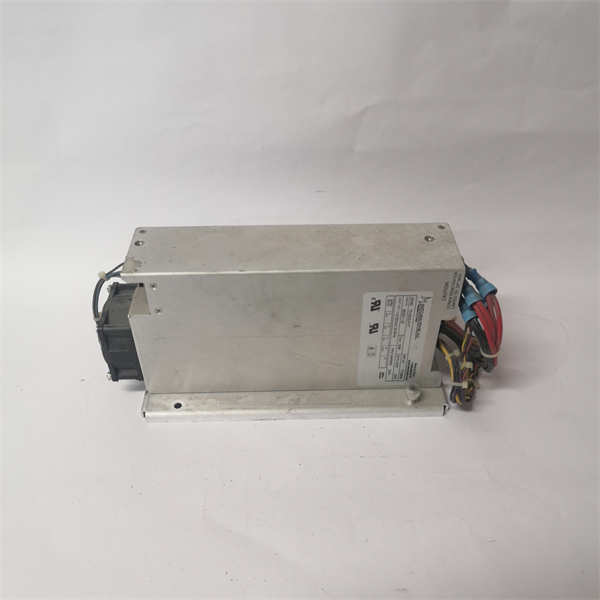
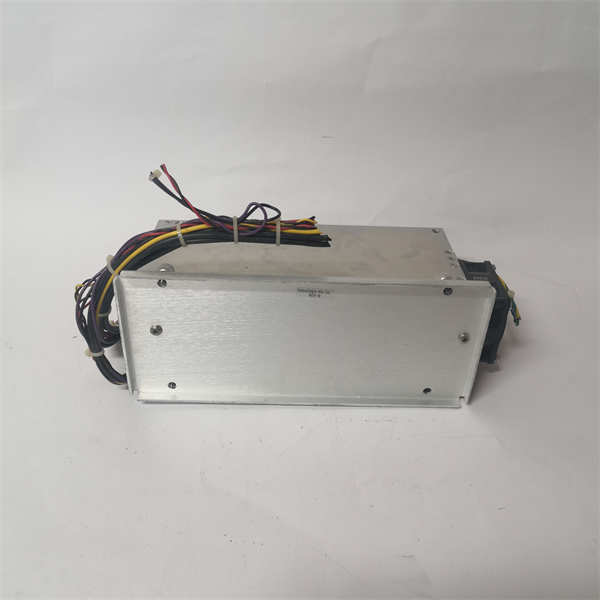
The TR-500Q-P-F1 is a critical power supply module installed in Triconex Tricon safety controllers used in high-integrity applications such as emergency shutdown (ESD), fire & gas (F&G), and burner management systems (BMS). It resides in one of three power slots within the mainframe and operates in a triple-modular redundant (TMR) architecture. While a single module failure may not immediately halt the process due to redundancy, it degrades the system to a non-fault-tolerant state. A second power supply failure—or a coincident logic solver fault—will force a safe shutdown. In continuous-process industries like oil & gas, chemicals, or power generation, such an event can result in full plant or unit trip, leading to production losses exceeding millions of dollars per day, along with potential safety and environmental consequences.
Reliability Analysis and Common Failure Modes
Many TR-500Q-P-F1 units have operated reliably for 15–25 years due to Triconex’s robust design and industrial-grade components. However, aging introduces predictable failure mechanisms. The most common failure mode is electrolytic capacitor degradation in the primary-side filtering and secondary-side regulation circuits, leading to output voltage ripple, instability, or complete loss of regulation. Secondary issues include fan bearing wear (in units with active cooling variants) causing overheating, and relay contact fatigue in the input power switching circuit. A key design vulnerability is the reliance on internal components with finite lifespans that are not field-serviceable. Additionally, these modules are sensitive to input power transients and sustained over-temperature conditions, especially when installed in poorly ventilated cabinets.
For maintenance teams, proactive measures are essential. Recommended actions include:
- Performing annual thermal imaging to detect abnormal heating
- Monitoring DC output voltage stability under load using a calibrated multimeter
- Verifying proper airflow around the chassis and cleaning dust from ventilation grilles
- Maintaining at least one tested spare module in inventory to enable rapid hot-swap replacement during a fault
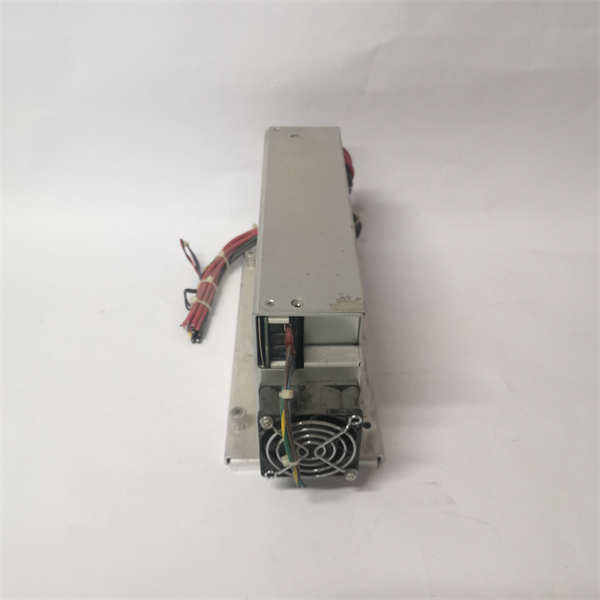
SWITCHING TR-500Q-P-F1 3503311-02
Lifecycle Status and Migration Strategy
The TR-500Q-P-F1 has been officially discontinued by Schneider Electric, with no direct “drop-in” replacement available. Continued operation carries significant risks: dwindling spare parts inventory, escalating costs (often 3–5x original price), and lack of factory repair services. While some third-party vendors offer board-level refurbishment, long-term reliability cannot be guaranteed without original component traceability.
As a temporary measure, facilities may source vetted refurbished units from specialized suppliers who perform full functional retest against OEM specifications. However, this is not a sustainable strategy.
The official migration path endorsed by Schneider Electric is replacement of the entire Tricon v2/v3 system with the modern Trident platform (e.g., Trident T3/T4 controllers). This upgrade preserves the core TMR safety architecture while offering enhanced cybersecurity, remote diagnostics, and integration with modern control systems via OPC UA and Ethernet/IP. The migration requires:
- Re-engineering of I/O wiring (due to different terminal blocks)
- Re-validation of safety logic (though application logic can often be converted)
- Updated engineering tools (Tristation 1131 v5.x or later)
Organizations should conduct a formal risk assessment to justify either continued support of the legacy system or investment in a phased migration to Trident, factoring in operational criticality, regulatory compliance, and total cost of ownership over the next decade.