 Tel:
Tel:  Email:
  WhatsApp:
 Description
Product Introduction
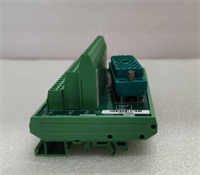
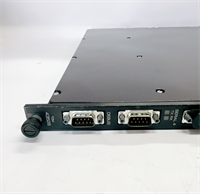
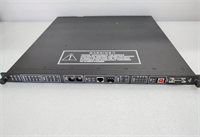
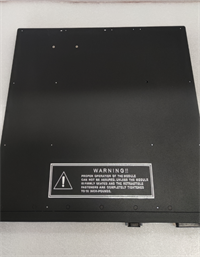
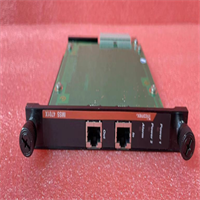
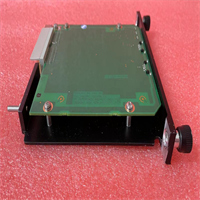
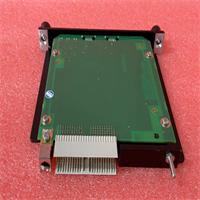
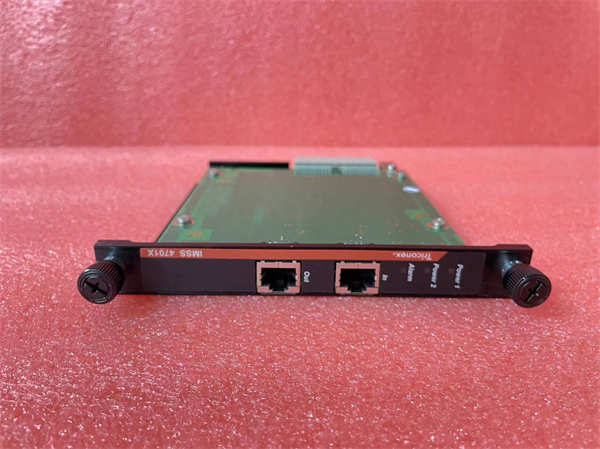
When a petrochemical flare system trips unexpectedly, the first component technicians inspect is often the input integrity of the safety controller. The Triconex IMSS 4701X serves exactly this role, acting as the primary interface between field sensors and the TriStation logic solver in high-risk environments. It isn’t just a card; it is the gatekeeper that prevents spurious trips while ensuring a safe shutdown when pressure exceeds limits.Most generic PLC input cards fail silently; this module votes three times before passing a signal to the main processor. We see this distinction matter most in refineries where a single false negative can cost millions in downtime. While newer models exist, the 4701X remains a workhorse because its firmware architecture handles noise rejection differently than standard commercial I/O. Honestly, if your plant still runs a v9 or v10 TriStation system, swapping to a newer revision might require a full chassis backplane upgrade you don’t need right now.
Key Technical Specifications
| Parameter | Value |
|---|---|
| Input Voltage | 24 VDC (nominal), range 18–30 VDC |
| Input Channels | 16 points per module (grouped) |
| Safety Integrity Level | SIL 3 (IEC 61508) |
| Logic Architecture | Triple Modular Redundant (TMR) |
| Field Power Requirement | 24 VDC external supply required |
| Operating Temperature | -40 °C to +70 °C (-40 °F to +158 °F) |
| Current Consumption | Approx. 120 mA @ 5VDC (backplane) |
| Isolation | Channel-to-channel isolation verified |
| Diagnostic Coverage | High (supports online fault detection) |
| Hot Swap Capability | Yes (without system trip) |
| Certification | FM, CSA, TUV, ATEX (Zone 2) |
| Connector Type | Terminal block (specific to Trident chassis) |
Application Scenarios & Pain Points
Picture this: it’s 3 a.m., and the DCS shows a “Bad Input” alarm on the boiler safety loop. The operator assumes a sensor failure, but the real culprit is a degrading input card that’s intermittently dropping the 24VDC signal due to internal optical coupler fatigue. Without a redundant module like the IMSS 4701X, that single point of failure forces an immediate unit shutdown. This module exists specifically to stop that scenario by voting out the faulty channel while keeping the process running.
- Emergency Shutdown Systems (ESD): Why risk a single-point failure on a hydrogen compressor? This module ensures that two out of three sensors must agree before tripping the turbine, preventing costly nuisance shutdowns during startup transients.
- Fire & Gas Detection: In offshore platforms, salt fog corrodes standard terminals. The 4701X’s conformal coating and robust terminal design handle these corrosive atmospheres where standard I/O would short within months.
- Burner Management Systems: If your flame scanner signal drops for 50ms, does the whole furnace trip? Not with this card; its filtering logic ignores transient noise that mimics a flame-out, saving you from a 12-hour relight procedure.
- High-Pressure Pipeline Monitoring: What happens when a pressure transmitter spikes due to water hammer? The TMR architecture filters the spike, distinguishing between a real over-pressure event and a hydraulic shock.
- Pharmaceutical Batch Reactors: Temperature excursions can ruin a $200k batch. The diagnostic coverage on this module alerts maintenance to a failing channel weeks before it actually trips the reactor, allowing planned intervention.
Case Study:
A mid-stream gas plant in Texas faced recurring false trips on their inlet separator ESD loop. The on-call engineer, Maria, noticed the trips only happened during thunderstorms. After swapping the generic input cards for Triconex IMSS 4701X units, the noise-induced trips vanished. The TMR voting ignored the lightning-induced spikes on one channel while the other two held steady. They haven’t had an unplanned shutdown in 18 months.
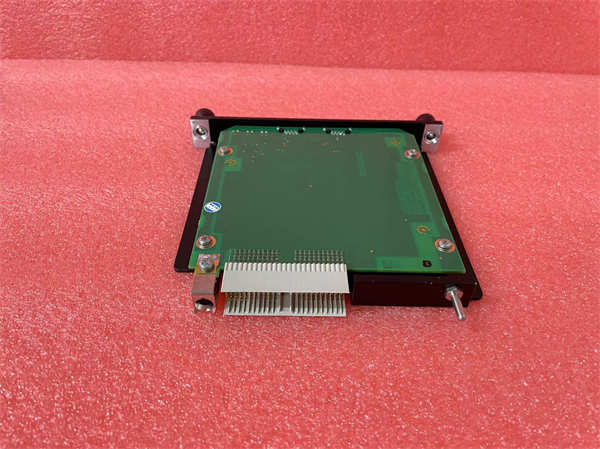
IMSS 4701X TRICONEX
Quality Control Process (SOP Transparency)
We don’t just box these up; we treat them like flight hardware. When a 4701X lands on our bench, the first thing we check is the hologram on the label—counterfeits often get the shading wrong on the Triconex logo. We pull the packing list and cross-reference the serial number against the OEM database to ensure it wasn’t reported stolen or scrapped. Visually, we look for yellowing on the plastic housing, which indicates UV exposure or heat stress, and check the pin connectors for any signs of re-tinning or repair marks.Next, we slide the module into a live Trident test rack running TriStation software. We power it up and watch the LED sequence: the “Pass” light needs to be solid green within 15 seconds. If it blinks red, we pull the firmware version immediately. We run a full I/O sweep, toggling all 16 channels while monitoring the logic state in the software. Then comes the load test—we leave it running for 24 hours with a simulated 24VDC load, logging the temperature rise with a Fluke thermal camera. If the case temp exceeds 65 °C, it fails. Finally, we verify the insulation resistance using a 500V megger (carefully isolating the electronics first) to ensure >10 MΩ. Only then do we seal it in an anti-static bag with a QC date stamp.
Installation Pitfalls Guide (“Lessons Learned” Voice)
I’ve seen good engineers burn expensive modules because they rushed the swap. Don’t be that guy. Here is what actually goes wrong in the field.
- Firmware version mismatch — You pull a spare from the shelf, plug it in, and the chassis faults out. Why? The new module has firmware v4.2, but your system runs v3.8. Always check the sticker on the side and match the firmware revision before installation.
- DIP switch / jumper misconfiguration — Factory defaults are rarely your site config. I once saw a whole safety loop fail because someone didn’t replicate the termination resistor settings from the old card. Take a photo of the old card’s switches. Then take another one. Do it before you remove the old unit.
- Terminal / wiring incompatibility — Pin definitions can shift between revisions, even within the same model family. Specifically on older Trident backplanes, verify the keying slot matches. Cross-check the wiring diagram against the physical terminal block; don’t assume wire #1 goes to terminal #1.
- Power supply undersizing — A new module might draw slightly more current than the ten-year-old one it replaced. Calculate the total rack load again. If you’re within 5% of your PSU limit, that new card could push you over the edge during a transient. Keep 20% headroom.
- ESD damage — You skip the wrist strap because “it’s just a quick swap.” That static spark from your sleeve fries the input optocouplers instantly. The module will pass the self-test but fail on the first real signal. Ground yourself properly every time.