 Tel:
Tel:  Email:
  WhatsApp:
 Description
Key Technical Specifications
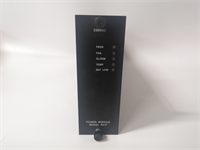
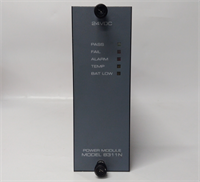
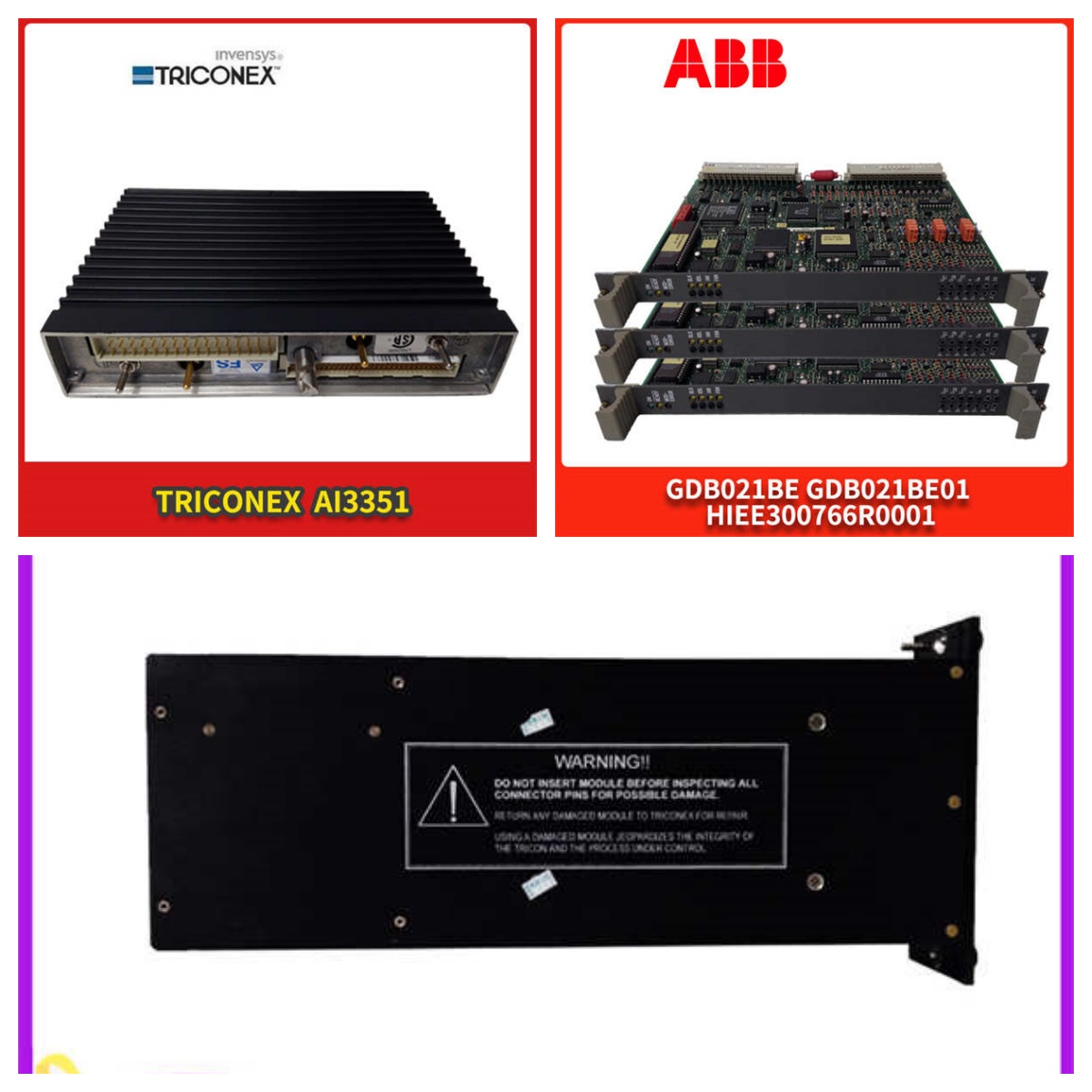
- Product Model: 9664-130F
- Manufacturer: Triconex (Schneider Electric)
- System Family: Tricon v10 / Classic Tricon (non-eXtended architecture)
- Module Type: Discrete Output (16 channels)
- Output Rating: 125 V DC, 150 mA per channel (sink-type)
- Redundancy Architecture: Triple-Modular Redundant (TMR) – three independent channels per logical output
- Diagnostic Coverage: Built-in self-test (BIT) with continuous on-line diagnostics
- Backplane Compatibility: Requires Tricon Main Chassis (e.g., 8311/8312) with compatible slot firmware
- Form Factor: Standard Tricon I/O module (approx. 7.5″ H x 1.25″ W)
- Certifications: Certified for SIL 3 per IEC 61508 (when used in full Tricon TMR system)
System Role and Outage Impact
The 9664-130F is a critical output interface in legacy Tricon-based Safety Instrumented Systems (SIS), commonly deployed in oil & gas, chemical, and power generation facilities. It translates safety logic decisions from the Tricon main processors into physical actuation signals for emergency shutdown valves, trip relays, or other final elements. Due to its role in executing safety actions, a failure—whether latent (undetected) or overt (causing a spurious trip)—can have severe operational consequences. A latent fault may prevent the system from initiating a required shutdown during a hazardous event, compromising personnel and asset safety. Conversely, an overt failure can trigger an unplanned plant trip, resulting in production loss, equipment stress, and potential safety risks during restart. Because the Tricon architecture relies on synchronized operation across all three legs of redundancy, mismatched or degraded modules can compromise the entire system’s voting integrity.
Reliability Analysis and Common Failure Modes
The 9664-130F was engineered for high reliability within the TMR framework, but units in service beyond 15–20 years show increased vulnerability to component aging. Common failure modes include degradation of output driver transistors due to sustained switching loads, leading to open-circuit or short-circuit conditions; failure of isolation barriers between field and logic sides, risking ground loops or backfeed; and corrosion of edge connector fingers from repeated thermal cycling or environmental contaminants. A key weakness lies in the module’s dependence on precise timing synchronization across redundant channels—any drift caused by aging clock circuits or power supply instability can trigger false diagnostics or force the module into a “limp-home” state.
Preventive maintenance should emphasize: (1) periodic loop checks under live conditions to verify output response and load compatibility; (2) visual and thermal inspection of terminal blocks and chassis connectors for signs of arcing or overheating; (3) monitoring of diagnostic logs in the Triconex Enhanced Diagnostic Monitor (EDM) software for recurring channel faults; and (4) storage of spare modules in climate-controlled, ESD-safe environments to preserve long-term integrity.
Lifecycle Status and Migration Strategy
Schneider Electric has formally declared the 9664-130F and the broader Classic Tricon I/O family obsolete, with no new manufacturing or factory repair services available. Technical documentation remains accessible, but direct support is limited to legacy system advisories. Continuing to operate with this module carries escalating risks: spare availability is confined to brokers and surplus channels, often without warranty or functional verification; counterfeit or re-marked units have been reported in the secondary market; and integration with modern cybersecurity or asset management systems is not feasible.
Short-term mitigation includes securing tested, matched spares with full diagnostic history and implementing rigorous module rotation practices. For long-term sustainability, Schneider recommends migration to the Triconex eXtended (TXS) platform, specifically the MP200/300 series with compatible eXtended I/O modules (e.g., TXS 9664-X equivalents). This transition requires chassis replacement, updated engineering tools (Triconex Applications Software v5+), and re-validation of safety logic—but preserves the core TMR architecture while enabling enhanced diagnostics, Ethernet connectivity, and extended lifecycle support through at least 2035.