 Tel:
Tel:  Email:
  WhatsApp:
 Description
Key Technical Specifications
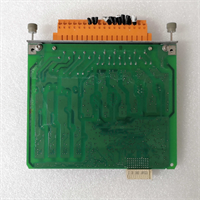
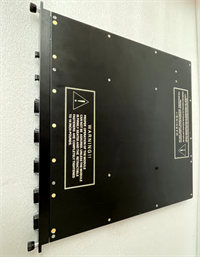
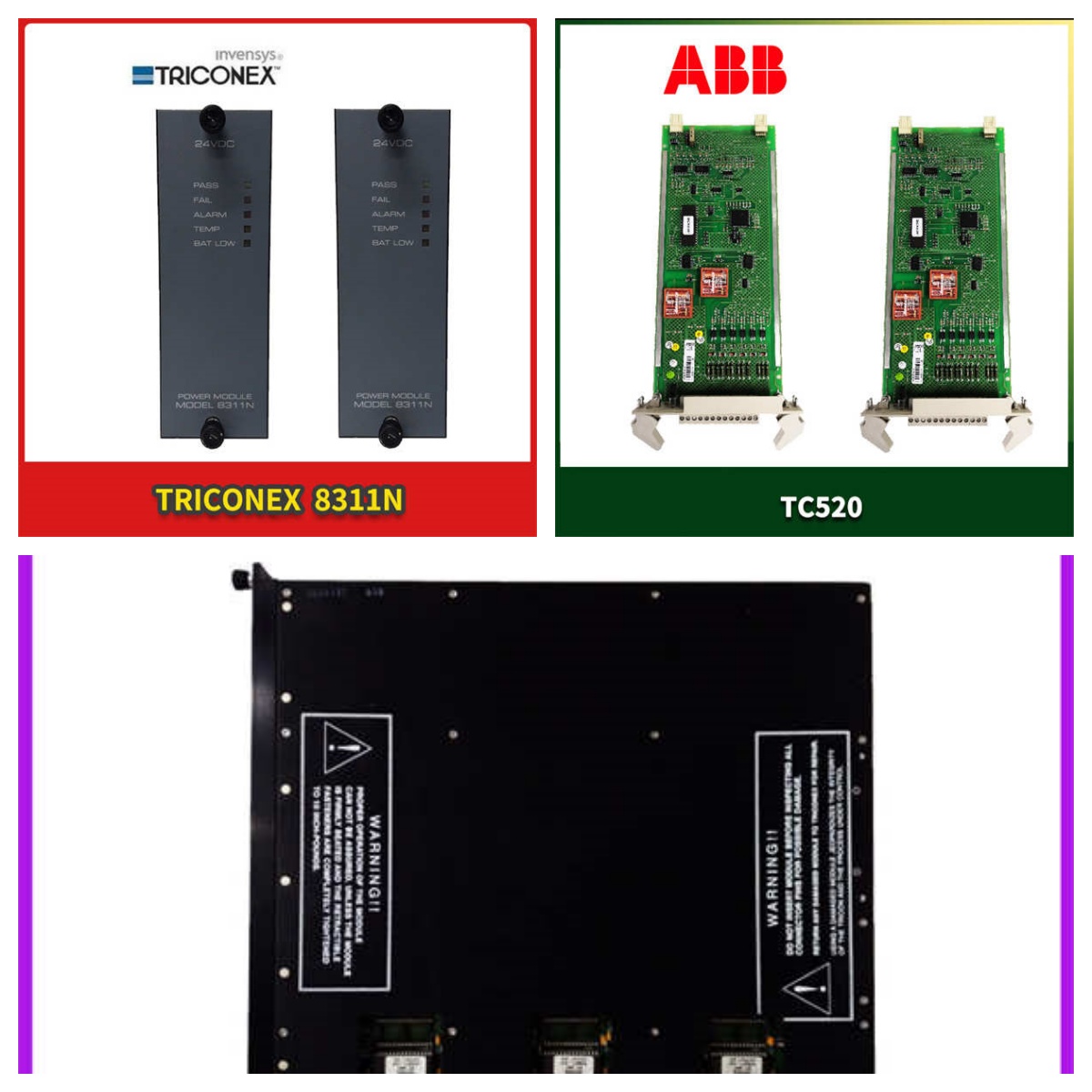
- Product Model: 9662-630
- Manufacturer: Triconex (Schneider Electric)
- System Family: Tricon Classic (v10 architecture, non-eXtended)
- Module Type: Discrete Input (16 channels)
- Input Voltage Range: 24–60 V DC (sink/source configurable via wiring)
- Input Filtering: Hardware debounce and noise suppression per channel
- Redundancy Architecture: Triple-Modular Redundant (TMR) – each logical input processed independently in three channels
- Diagnostic Coverage: Continuous on-line diagnostics with fault reporting to main processors
- Backplane Compatibility: Requires Tricon Main Chassis (e.g., 8311/8312) with matching firmware revision
- Form Factor: Standard Tricon I/O module (~7.5″ H x 1.25″ W)
- Certifications: Certified for SIL 3 per IEC 61508 when deployed in full TMR configuration
System Role and Outage Impact
The 9662-630 serves as a critical data acquisition interface in legacy Tricon-based Safety Instrumented Systems (SIS), widely used in oil & gas, refining, and chemical processing. It receives binary signals from field devices such as pressure switches, limit switches, and valve position indicators, feeding them into the TMR voting logic that determines safety actions. A failure in this module—whether due to channel degradation, diagnostic faults, or communication loss with the main processors—can result in either missed trip conditions (if inputs are not detected during a hazardous event) or unintended system shutdowns (if spurious signals are registered). Because the Tricon architecture depends on synchronized input validation across all three redundant legs, even partial degradation can trigger module-level faults that degrade system availability or force manual intervention. In high-integrity applications, such failures directly impact functional safety compliance and operational continuity.
Reliability Analysis and Common Failure Modes
Despite its robust TMR design, the 9662-630 is subject to age-related reliability decline after 15+ years of service. Common failure modes include corrosion or oxidation of terminal block screws and internal PCB traces due to environmental humidity; degradation of opto-isolators leading to signal leakage or false triggering; and fatigue in the DIN-rail edge connector causing intermittent backplane communication. A known vulnerability is the module’s sensitivity to ground potential differences between field wiring and the controller chassis—if grounding practices were suboptimal during installation, common-mode noise can accumulate over time and compromise input integrity. Additionally, the lack of field-upgradable firmware means that any latent hardware flaw cannot be mitigated via software patches.
Preventive maintenance should focus on: (1) periodic verification of input signal integrity under live conditions using calibrated test sources; (2) inspection of terminal torque and signs of arcing or discoloration; (3) monitoring Triconex Enhanced Diagnostic Monitor (EDM) logs for recurring channel faults or diagnostic alarms; and (4) storing spare modules in dry, ESD-safe environments with anti-static packaging to prevent long-term degradation.
Lifecycle Status and Migration Strategy
Schneider Electric has formally discontinued the 9662-630 as part of the end-of-life plan for the Classic Tricon I/O family. No new units are manufactured, and factory repair or technical support is no longer available. Continued operation entails significant risks: spare modules are sourced exclusively from third-party brokers, often without functional testing or traceability; counterfeit or reconditioned units lacking proper TMR calibration have been observed; and integration with modern asset management or cybersecurity frameworks is not feasible.
Short-term risk mitigation includes securing multiple tested, matched spares and implementing rigorous module health tracking via EDM. For sustainable operation, Schneider recommends migrating to the Triconex eXtended (TXS) platform, specifically replacing the 9662-630 with the TXS 9662-X series discrete input modules (e.g., 9662-830 or equivalent). This transition requires upgrading to TXS chassis (MP200/300), using Triconex Applications Software v5+, and revalidating safety logic—but retains the core TMR philosophy while delivering enhanced diagnostics, Ethernet-based engineering access, and lifecycle support through at least 2035.