 Tel:
Tel:  Email:
  WhatsApp:
 Description
Key Technical Specifications (For Spare Parts Verification)
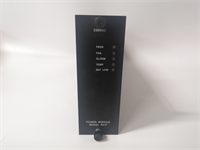
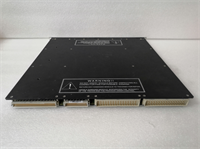
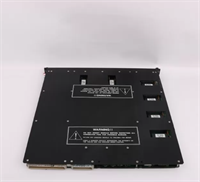
- Product Model: 9566 (Triconex module designation)
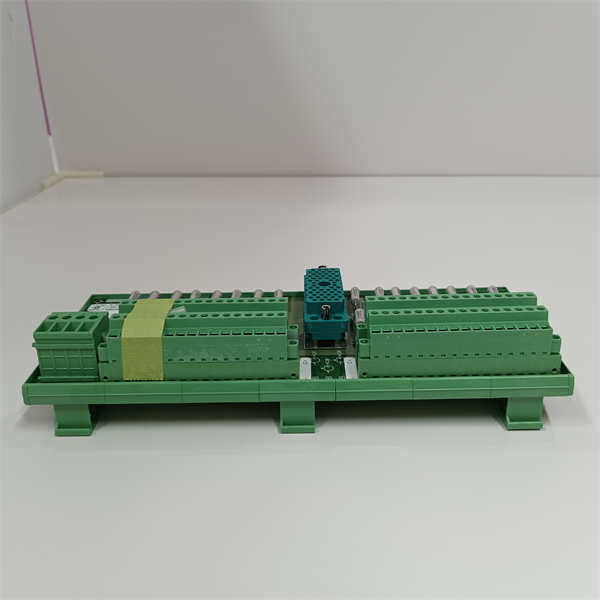
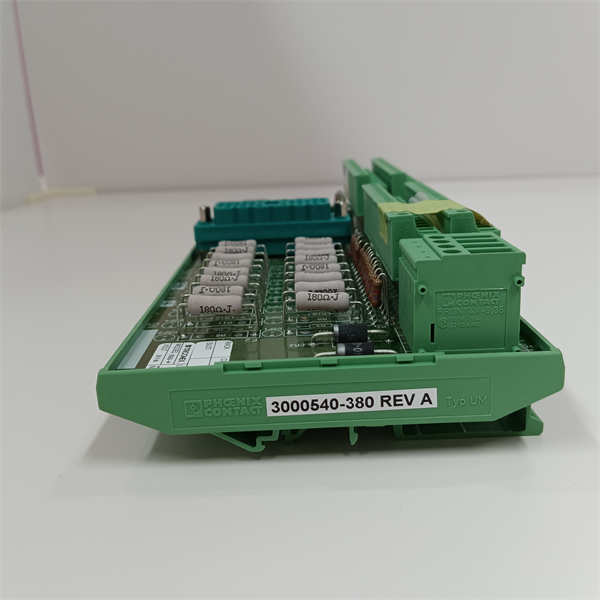
- Manufacturer Part Numbers: 7400150-370 (I/O module), 3000540-380 (baseplate/backplane interface)
- Manufacturer: Triconex / Schneider Electric
- System Family: Tricon v9 / Tricon Classic (Model 3500/3600 series)
- Module Type: TMR Analog Input (typically 8-channel, current or voltage)
- Input Range: Configurable (e.g., 4–20 mA, 1–5 V, ±10 V)
- Redundancy Architecture: Triple-Modular Redundant (three independent channels per signal)
- Diagnostic Coverage: >99% (per IEC 61508 for SIL 3 applications)
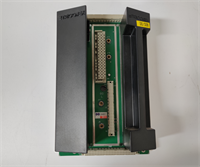
- Mounting: Requires compatible Tricon baseplate (e.g., 3000540-380) in main chassis
- Compatibility: Tricon MP Main Processors (e.g., 3301, 3311); requires Tristation 1131 engineering software
System Role and Downtime Impact
The Triconex 9566 analog input module—paired with baseplate 3000540-380—is a foundational component in legacy Tricon safety systems deployed in oil & gas, chemical, and power generation facilities. It acquires critical process variables (e.g., reactor pressure, turbine vibration) with full TMR redundancy, feeding data to the triple-redundant main processors for voting and safety logic execution. This module is often part of SIL 2 or SIL 3 Safety Instrumented Functions (SIFs). Failure or unavailability of this module can disable an entire analog input group, potentially causing spurious trips or, more critically, loss of safety shutdown capability. In non-redundant I/O configurations (though rare in Tricon), a single module fault could compromise system integrity. Replacement requires exact part-number matching and rigorous functional testing to maintain certification—delays due to parts scarcity directly increase operational risk.
Reliability Analysis and Common Failure Modes
Despite Triconex’s reputation for high reliability, these legacy modules are now subject to age-related degradation. The most frequent failure mechanisms include drift in precision analog components (e.g., resistors, amplifiers), leading to inaccurate signal scaling or channel faults. Electrolytic capacitors on the internal power regulation circuits may dry out over time, causing intermittent resets or communication errors with the main processor. Additionally, repeated thermal cycling can weaken solder joints on the edge connector, resulting in intermittent contact with the baseplate—a fault that may not be immediately detectable but can cause sudden channel dropout. A design limitation is the lack of hot-swap capability; module replacement requires system shutdown or careful de-energization procedures. For preventive maintenance, users should conduct periodic loop calibration checks, monitor Tricon diagnostic logs for “minor faults,” inspect edge connectors for oxidation, and store spare modules in climate-controlled environments to minimize aging.
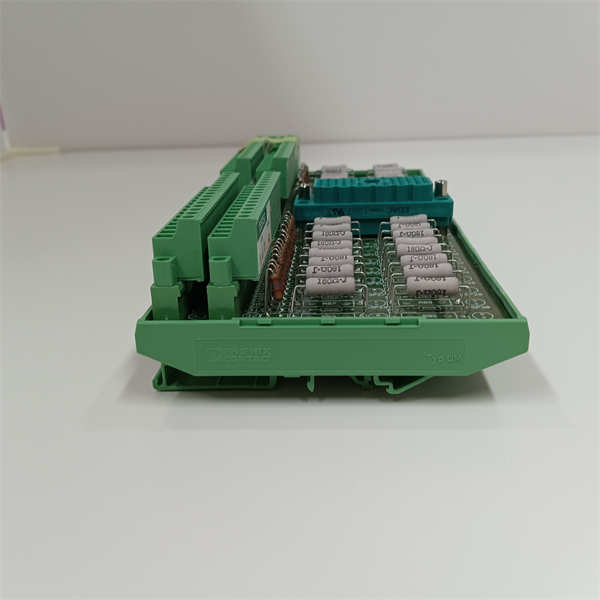
TRICONEX 9566 7400150-370 3000540-380
Lifecycle Status and Migration Strategy
Schneider Electric has officially discontinued the Tricon Classic platform, including the 9566 module and 3000540-380 baseplate. No new units are manufactured, and official support is restricted to extended maintenance contracts with limited scope. Continued operation carries severe risks: counterfeit or re-marked modules circulate in the secondary market, testing documentation is often missing, and firmware/software compatibility issues may arise during replacement. Short-term measures include qualifying trusted surplus vendors, implementing strict incoming inspection protocols (including functional tests in a test bench), and maintaining a small inventory of verified spares. The strategic path forward is migration to the Triconex Trident platform (e.g., Trident TCM or TCMX controllers), which offers backward-compatible I/O options in some cases but typically requires chassis replacement, updated Tristation software (v12+), and re-validation of safety logic. While migration is capital-intensive, it restores access to cybersecurity updates, modern diagnostics, and long-term vendor support—critical for maintaining compliance with functional safety standards like IEC 61511.