 Tel:
Tel:  Email:
  WhatsApp:
 Description
Technical Specifications (For Spare Parts Verification)
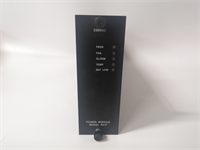
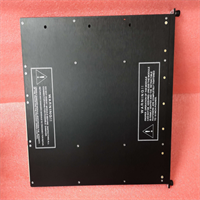
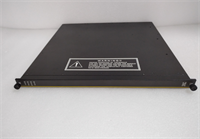
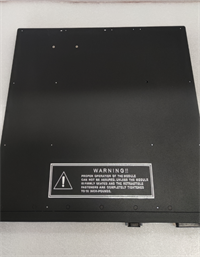
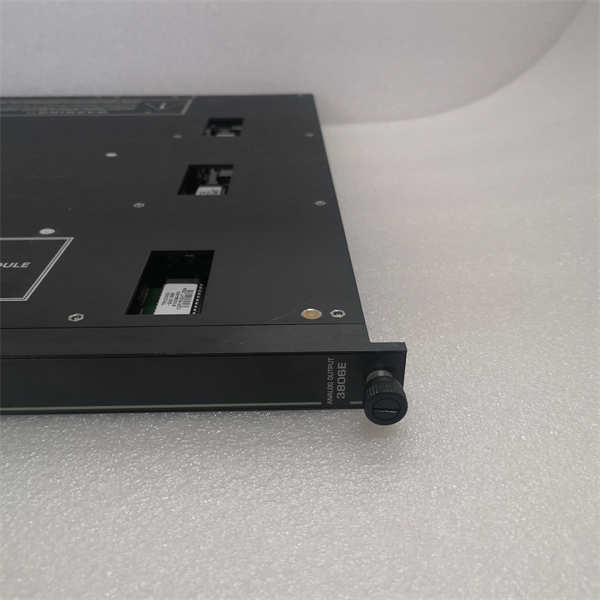
- Product Model: 3806E
- Manufacturer: TRICONEX / Schneider Electric
- System Family: Tricon (Version 10 and 11 platforms)
- Module Type: Main Processor (MP) with TMR architecture
- Redundancy: Triple-redundant (three independent microprocessors per module)
- Memory: Onboard application memory (non-volatile, battery-backed SRAM in some revisions)
- Backplane Interface: Proprietary Tricon bus (compatible only with Tricon V10/V11 chassis)
- Diagnostic LEDs: Status indicators for OK, Fault, and Module Activity
- Power Consumption: ~10 W (varies by firmware revision)
- Physical Form: Standard Tricon I/O slot card (requires specific slot position in chassis)
System Role and Downtime Impact
The TRICONEX 3806E serves as the primary logic solver in Tricon V10/V11 safety systems, commonly deployed in oil & gas, chemical, and power generation facilities for emergency shutdown (ESD), burner management (BMS), and fire & gas (F&G) applications. It executes safety logic in a fault-tolerant TMR configuration across three independent channels. Failure of a single 3806E module in a simplex system will cause an immediate and uncontrolled system trip, halting the protected process. In redundant (dual-chassis) configurations, failure may trigger a switchover—but if no spare is available or the second module is degraded, total system failure becomes likely. Given its role in SIL2/SIL3 applications, unplanned downtime carries significant safety, environmental, and financial consequences.
Reliability Analysis and Common Failure Modes
Although many Tricon systems with 3806E modules remain operational after 15–20 years, aging components present growing reliability risks. The most common failure modes include:
- Battery-backed SRAM degradation: Older revisions use lithium batteries to retain application code during power loss. Battery depletion (typical life: 5–10 years) leads to program loss on power cycle.
- Electrolytic capacitor aging: Power regulation circuits on the board suffer from dried-out capacitors, causing voltage instability or boot failures.
- Connector and backplane corrosion: Intermittent contact due to oxidation in high-humidity environments can mimic module faults.
- Firmware corruption: Rare but possible due to EMI or power transients, especially in systems without proper surge protection.
Key design vulnerabilities include dependence on non-replaceable onboard batteries (in early versions) and sensitivity to dirty or unstable 24 VDC power supplies. As preventive maintenance, operators should:
- Monitor module diagnostic LEDs and system logs for “Memory Error” or “Channel Mismatch” warnings
- Replace backup batteries proactively (if accessible) or migrate to battery-free revisions
- Clean chassis backplane contacts annually using ESD-safe tools
- Verify power supply ripple and grounding integrity during routine checks
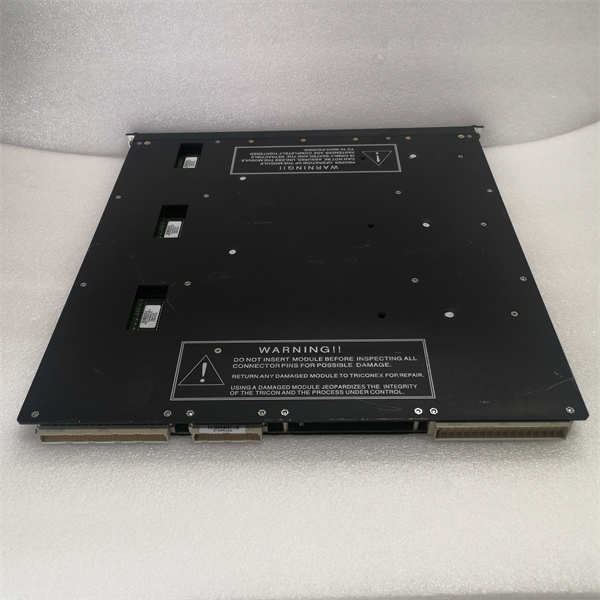
TRICONEX 3806E
Lifecycle Status and Migration Strategy
Schneider Electric has officially discontinued the 3806E as part of the Tricon V10/V11 end-of-life roadmap. No new units are manufactured, and original spare parts pools are exhausted. Continued use entails high risk: scarcity drives premium pricing on the secondary market, and counterfeit or improperly tested units may enter the supply chain.
As a temporary measure, facilities can:
- Secure tested, surplus 3806E modules from reputable vendors with full functional certification
- Implement strict inventory controls and rotate spares to avoid single-point dependency
- Perform board-level repairs (e.g., capacitor rework, battery bypass) only by certified technicians
The official migration path is to upgrade to the Triconex Trident platform (e.g., MP3008 or MP3009 main processors), which offers backward compatibility with existing I/O in many cases but requires:
- Re-compilation of safety applications in Tristation 1131 v4.x or later
- Chassis and power supply replacement
- Updated cybersecurity hardening per IEC 62443 guidelines
For sites unable to fund full migration, a phased approach—starting with critical skids or adding redundant chassis—can extend safe operation while budgeting for eventual modernization.