 Tel:
Tel:  Email:
  WhatsApp:
 Description
Key Technical Specifications (For Spare Parts Verification)
- Product Model: 3805E
- Manufacturer: Triconex (Schneider Electric)
- System Family: Tricon v10 Triple-Modular Redundant (TMR) Safety System
- Module Type: Main Processor (MP)
- Redundancy Architecture: Triple-Modular Redundant (three independent CPUs with voting)
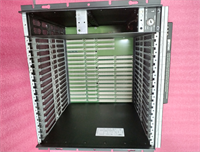
- Backplane Compatibility: Tricon v10 chassis (e.g., 4328A, 4329A)
- Firmware Requirement: Requires specific Triconex firmware version (typically v10.x)
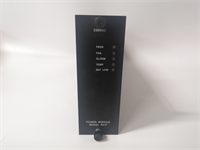
- Diagnostic Interface: Supports local diagnostics via front-panel LEDs and remote via Enhanced Diagnostic Monitor (EDM) software
- Power Consumption: Approx. 15–18 W (varies by load)
- Operating Temperature: 0°C to 60°C (industrial grade)
System Role and Downtime Impact
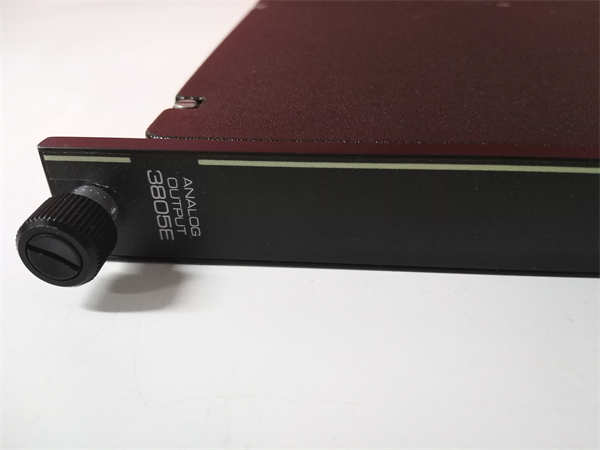
The 3805E serves as the primary Main Processor module in a Tricon v10 safety system. It executes all safety application logic in a fault-tolerant TMR architecture. In a properly configured redundant setup, three 3805E modules operate in parallel, with continuous voting to detect and isolate faults. If a single module fails, the system continues operation—but if a second module fails before replacement, the entire Tricon system will trip, causing an immediate and complete shutdown of the protected process. In critical infrastructure such as oil & gas, power generation, or chemical plants, this can result in unplanned plant-wide shutdowns, safety incidents, or regulatory non-compliance. Therefore, the availability of functional 3805E spares is directly tied to operational continuity and risk exposure.
Reliability Analysis and Common Failure Modes
Despite its robust TMR design, the 3805E is susceptible to age-related degradation due to its legacy status. Common failure modes include intermittent communication errors on the backplane, firmware corruption after power cycling, and internal FPGA or memory chip degradation—often triggered by thermal stress over decades of operation. A key design vulnerability is its reliance on aging surface-mount electrolytic capacitors and early-generation flash memory, which are prone to wear-out after 15+ years in service. Additionally, the module lacks modern cybersecurity features, making it vulnerable in networked environments.
Preventive maintenance should focus on:
- Regular inspection of front-panel status LEDs for error codes (e.g., “X” or “F” indicators)
- Monitoring system logs via EDM for recurring sync or voting discrepancies
- Ensuring stable, clean power with surge protection—voltage spikes can damage I/O interfaces
- Verifying battery-backed RAM integrity during scheduled outages
- Storing spare units in climate-controlled, ESD-safe environments to prevent latent failures
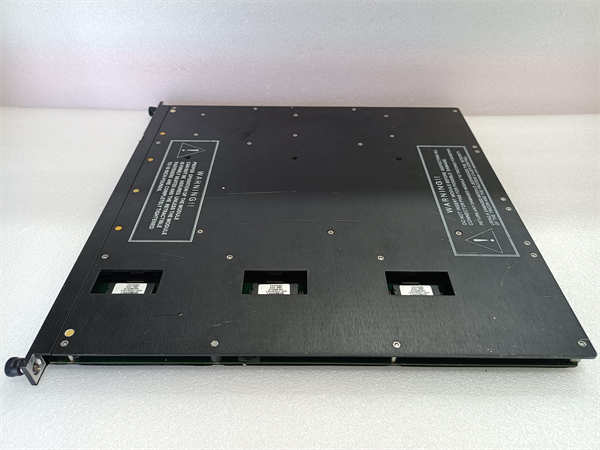
TRICONEX 3805E
Lifecycle Status and Migration Strategy
The Triconex 3805E has been officially declared obsolete by Schneider Electric, with no new production since the mid-2010s. Continued use carries significant risks: spare parts are only available through third-party brokers at inflated prices (often 3–5× original cost), technical support is limited, and firmware updates are no longer issued. Regulatory bodies in high-hazard industries increasingly discourage reliance on unsupported safety hardware.
As a temporary measure, end users may consider certified refurbished units or board-level repairs from specialized vendors—but these carry reliability uncertainty. The recommended long-term path is migration to the Triconex Trident platform (e.g., MP3008 or MP3009 modules), which maintains TMR architecture while offering modern I/O, enhanced diagnostics, and compatibility with current engineering tools like Triconex Enhanced Diagnostic Monitor (EDM) and Safety Manager Studio. Migration typically requires recompilation of application logic, chassis replacement, and updated safety validation—a capital project best planned during major turnarounds.