 Tel:
Tel:  Email:
  WhatsApp:
 Description
Key Technical Specifications (for Spare Part Verification)
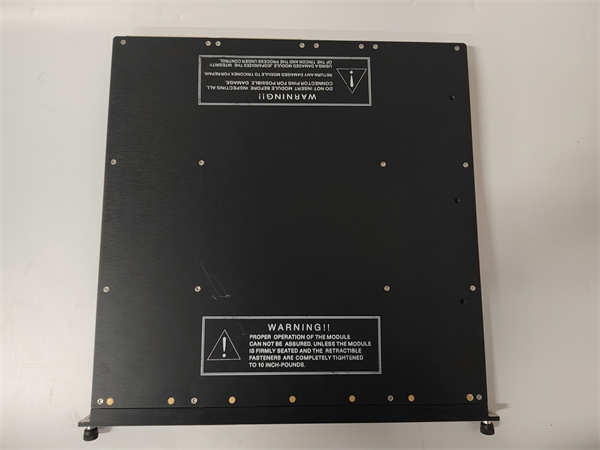
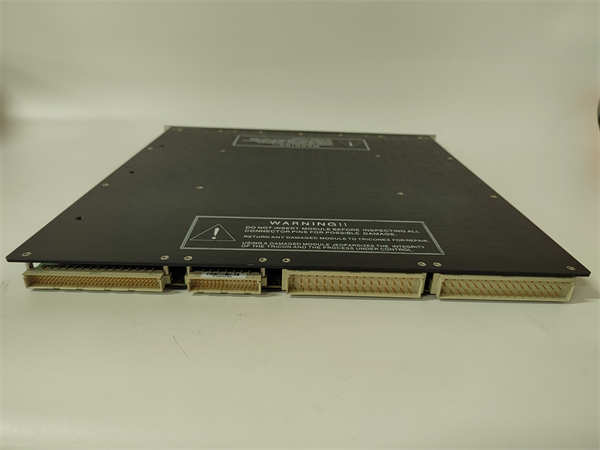
- Product Model: 3721
- Manufacturer: Triconex (Schneider Electric)
- System Family: Tricon V2 / V3 (Triple Modular Redundant architecture)
- Module Type: Main Processor (MP) module
- Redundancy: Part of 3-lane TMR system—three 3721 modules operate in sync with voting
- Memory: Onboard program and data memory (non-volatile, battery-backed SRAM in early versions)
- Processing Architecture: Proprietary TMR microprocessor with continuous self-diagnostics
- Communication: Connects to I/O modules via proprietary backplane; supports TriStation 1131 programming interface
- Diagnostic Coverage: >99% fault detection via hardware and software voting
- Power Requirement: Supplied via Tricon chassis backplane (+5 V, ±12 V rails)
- Mounting: Hot-swappable slot in Tricon main chassis (e.g., 3503E, 3504E)
- Certification: Certified for SIL 3 per IEC 61508, FM, CSA, ATEX (depending on system configuration)
System Role and Downtime Impact
The Triconex 3721 is the central processing unit of legacy Tricon V2/V3 safety systems, widely deployed in refineries, petrochemical plants, LNG facilities, and power generation for critical functions such as emergency shutdown (ESD), fire & gas (F&G) detection, and burner management. Three 3721 modules operate in parallel, executing identical logic and comparing results at every scan cycle—a single module failure is normally tolerated without system impact due to TMR voting. However, if a second module fails before the first is replaced, or if the failed module exhibits “dangerous undetected” behavior (e.g., stuck output), the entire SIS may become non-functional or trigger an unplanned plant trip. Given its role in protecting personnel, assets, and the environment, any degradation in 3721 reliability directly elevates process safety risk. Regulatory audits (e.g., OSHA PSM, IEC 61511) often flag continued use of obsolete MP modules as a compliance concern.
Reliability Analysis and Common Failure Modes
Although built to rigorous safety standards, the 3721 is susceptible to age-related failures after 15–20 years of service. The most common issue is battery-backed SRAM corruption in early revisions, leading to program loss or configuration drift—especially if the onboard lithium battery (typically 10-year life) was never replaced. Another frequent failure mode involves degradation of the custom ASICs or FPGA components responsible for TMR synchronization and voting, causing intermittent “MISMATCH” faults or complete lane dropout. The edge connectors are also vulnerable to oxidation and mechanical wear, particularly in high-vibration environments, resulting in intermittent communication with the backplane. From a design perspective, the module lacks modern cybersecurity features and cannot support over-the-air diagnostics, making remote health assessment impossible. Recommended preventive actions include: performing annual TriStation 1131 online diagnostics to verify lane status and fault logs, replacing onboard batteries during major outages (even if not yet failed), storing spares in ESD-safe, climate-controlled conditions, and validating spare modules on a test bench before deployment.
-

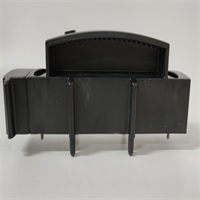
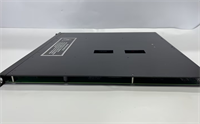
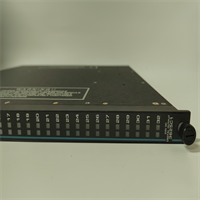
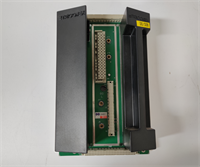
TRICONEX 3721
Lifecycle Status and Migration Strategy
Schneider Electric has officially obsoleted the 3721 as part of the broader Tricon V2/V3 end-of-life plan, with no direct replacement offered within the same hardware generation. While Triconex continues to support these systems via extended service contracts, new modules are no longer manufactured. Continued operation relies on secondary market inventory, which carries risks of counterfeit parts, prior damage, or mismatched firmware revisions. As an interim measure, users should maintain at least one fully tested 3721 spare per Tricon chassis and ensure firmware consistency across all three lanes. For long-term compliance and reliability, Schneider recommends migrating to the Triconex eXpress or Tricon CX platforms (e.g., using 3722 or 3723 MP modules), which offer enhanced processing power, Ethernet connectivity, and support for modern engineering tools. This migration typically requires chassis replacement, re-compilation of safety logic in updated TriStation software, and re-validation of all SIFs (Safety Instrumented Functions)—a significant but necessary investment for facilities requiring ongoing SIL 3 certification. Early planning with a certified Triconex integrator is essential to align migration with turnaround schedules and regulatory review cycles.