 Tel:
Tel:  Email:
  WhatsApp:
 Description
Key Technical Specifications (For Spare Part Verification)
- Product Model: 3721
- Manufacturer: Triconex (Schneider Electric)
- System Compatibility: Tricon v10 (Triple-Modular Redundant architecture)
- Output Type: 24 V DC sourcing (fail-safe design)
- Channels: 32 isolated digital outputs
- Load Capacity: Typically 100 mA per channel (verify with system power budget)
- Diagnostic Coverage: Built-in self-test (BIT) for open/short circuit detection
- Redundancy: Operates within TMR framework—outputs voted across three main processors
- Mounting: Hot-swappable in Tricon v10 chassis (requires compatible baseplate)
- Certification: Compliant with IEC 61508 SIL 3, ISA 84, and other functional safety standards at time of manufacture
-

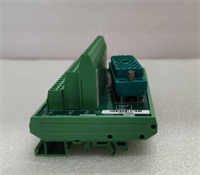
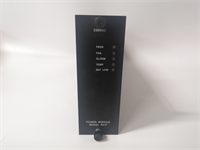
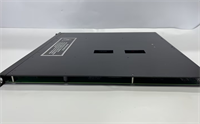
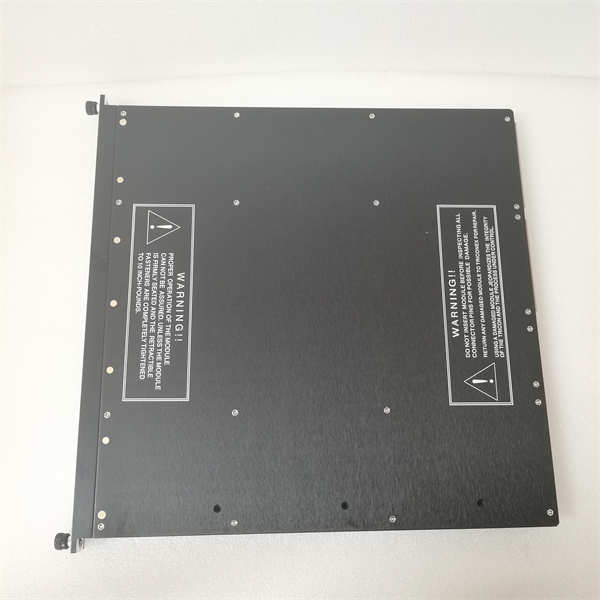
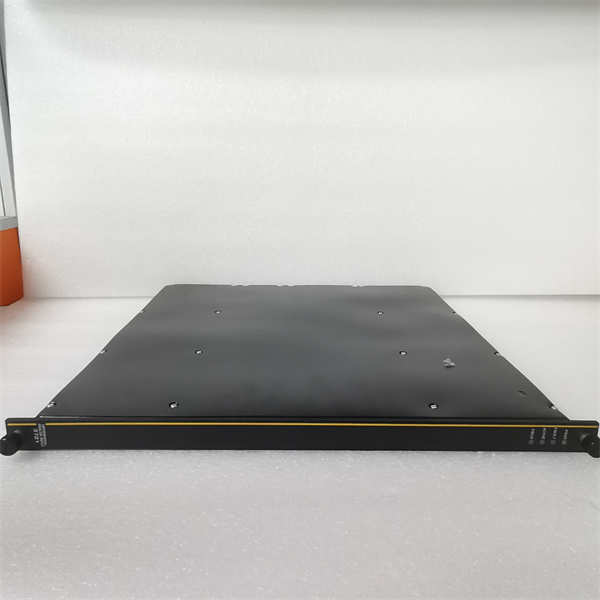
TRICONEX 3721
System Role and Downtime Impact
The 3721 module is deployed in high-integrity safety applications across oil & gas, chemical, and power generation facilities. It interfaces directly with final control elements such as emergency shutdown (ESD) valves, motor contactors, and fire/gas suppression systems. As part of the Tricon v10’s fault-tolerant architecture, it ensures that safety commands are executed even in the presence of single-point hardware failures.
If a 3721 module fails or becomes unresponsive, the Tricon system may place affected outputs in a safe state (de-energized), potentially triggering an unplanned plant trip. In degraded mode, some systems allow operation with reduced redundancy—but this increases risk and often violates operating permits. Replacement requires matching hardware revision, correct baseplate compatibility, and validation via TriStation 1131 software. Without a verified spare, recovery can take several days, especially if engineering backups or safety validation records are incomplete.
Reliability Analysis and Common Failure Modes
Despite robust TMR design, aging 3721 modules exhibit consistent failure patterns after 15+ years of service:
Output driver transistors degrade due to thermal cycling and inductive kickback from field devices, leading to open-circuit failures or reduced current delivery. Internal isolation barriers (optocouplers or transformers) lose integrity over time, causing cross-channel interference or diagnostic faults. Connector pins on the backplane edge suffer from fretting corrosion, resulting in intermittent communication with the main processors—even if the module appears powered. Additionally, electrolytic capacitors in local filtering circuits dry out, causing voltage instability during high-output switching events.
Preventive maintenance recommendations include:
- Performing periodic loop checks on critical shutdown valves to verify full actuation
- Monitoring TriStation diagnostics for “Module Fault” or “Output Error” flags
- Inspecting terminal blocks and shield grounding during routine cabinet access
Storing spares in ESD-safe, climate-controlled environments with anti-static packaging
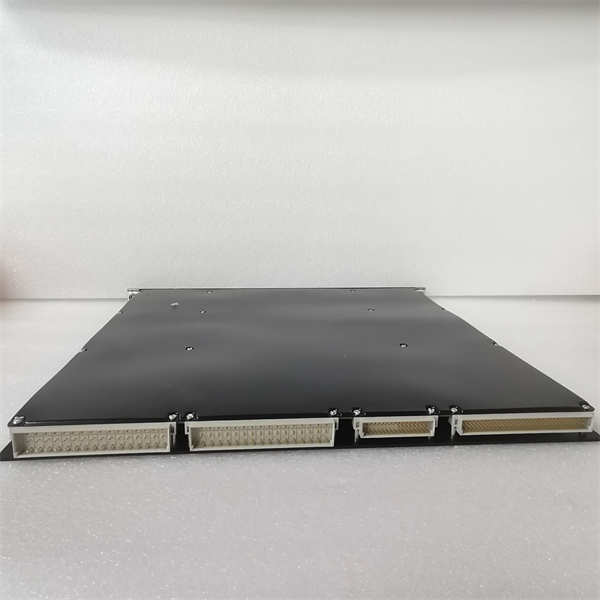
TRICONEX 3721
Lifecycle Status and Migration Strategy
Schneider Electric has discontinued the Tricon v10 platform, including the 3721 module, with no direct repair or new-unit availability. While extended lifecycle services exist through third parties, official support is limited to legacy documentation.
Short-term risk mitigation involves:
- Securing at least two tested 3721 modules with matching hardware revisions
- Validating configuration backups in TriStation 1131 (v4.x or earlier)
- Engaging specialized vendors capable of board-level component replacement
The strategic migration path is upgrading to Triconex eXtended Architecture (TXS) or Tricon CX platforms, which offer:
- Backward compatibility with existing I/O wiring via adapter bases
- Enhanced cybersecurity (IEC 62443 compliance)
- Modern engineering tools (Safety Builder) with cloud-enabled diagnostics
- Continued SIL 3 certification under current standards