 Tel:
Tel:  Email:
  WhatsApp:
 Description
Technical Specifications (For Spare Verification)
- Product Model: 3721
- Manufacturer: Triconex
- System Compatibility: Triconex Tricon (v9 and earlier) safety controllers
- Module Type: Tricon Communications Module (TCM)
- Communication Ports: One RS-232 (for local programming), one RS-485 (for TriBus multi-drop network)
- Supported Protocols: Proprietary TriBus protocol for chassis interconnect; Modbus RTU over serial for limited third-party access
- Data Rate: Up to 38.4 kbps on TriBus (system-dependent)
- LED Indicators: Power, Transmit, Receive, Fault status
- Form Factor: Occupies one slot in standard Tricon I/O chassis (typically installed in Slot 0)
- Power: Draws from backplane; no external supply required
- Certifications: IEC 61508 SIL 3 (as part of certified Tricon system)
-

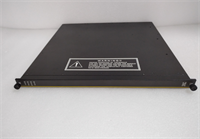
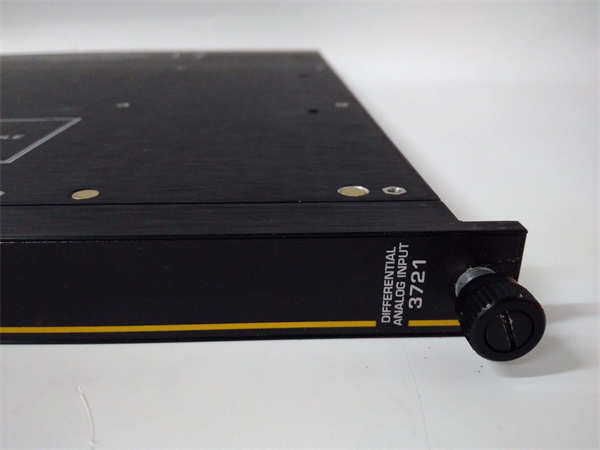
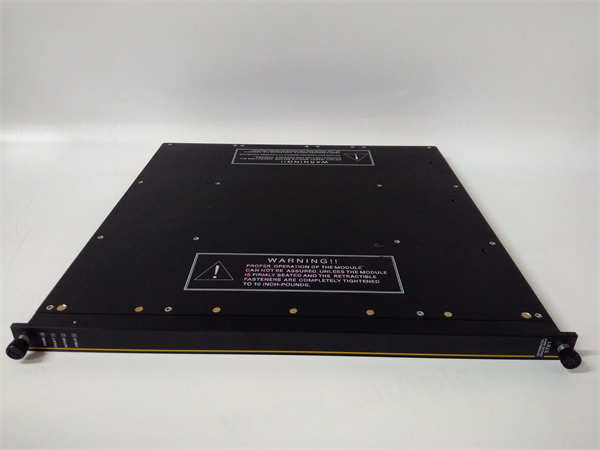
Triconex 3721
System Role and Downtime Impact
The 3721 module is a foundational component in multi-chassis Tricon installations, commonly found in large-scale applications such as LNG trains, offshore platforms, or ethylene crackers. It enables the master Tricon chassis to synchronize with remote I/O racks via the TriBus network and serves as the sole gateway for engineering tools like TriStation 1131 to upload logic, perform online monitoring, or execute forced I/O during maintenance. Without a functional 3721, the system becomes effectively “blind” to operators and engineers—no diagnostics can be retrieved, no logic changes applied, and no remote rack coordination possible. In single-chassis systems, it remains essential for any software interaction. A failed 3721 does not always cause an immediate process trip, but it severely degrades maintainability and may force the system into a restricted operational mode that violates regulatory requirements under IEC 61511. Replacement requires physical swap, reconfiguration of node addresses (if applicable), and validation of communication integrity across all connected racks.
Reliability Analysis and Common Failure Modes
Although the 3721 contains no moving parts, it is vulnerable to several age- and environment-related failure mechanisms:
- RS-485 transceiver degradation: The MAX-series or equivalent driver ICs on the TriBus port are prone to latch-up or output stage failure after prolonged exposure to ground potential differences or ESD events—common in large industrial sites with poor grounding.
- Serial port corrosion: The DB-9 connector pins oxidize over time, especially in humid environments, leading to intermittent programming connections or complete loss of workstation communication.
- Firmware corruption: Rare but possible due to power anomalies during firmware updates or long-term EEPROM wear-out, resulting in boot failures or unrecognized module status.
- Backplane connector fatigue: Thermal cycling induces micro-cracks in edge fingers, causing intermittent loss of power or data, often manifesting as sporadic “module fault” alarms.
A critical weakness is that the 3721 lacks comprehensive self-diagnostics for its communication drivers—many faults only become apparent when an engineer attempts to connect to the system.
Recommended preventive actions include:
- Using opto-isolated serial cables and ensuring proper grounding between workstation and chassis.
- Installing protective caps on unused DB-9 ports to reduce oxidation.
- Periodically verifying TriBus communication health during scheduled outages using loopback tests or diagnostic pings in TriStation.
- Maintaining at least one known-good spare in climate-controlled, ESD-safe storage.
-
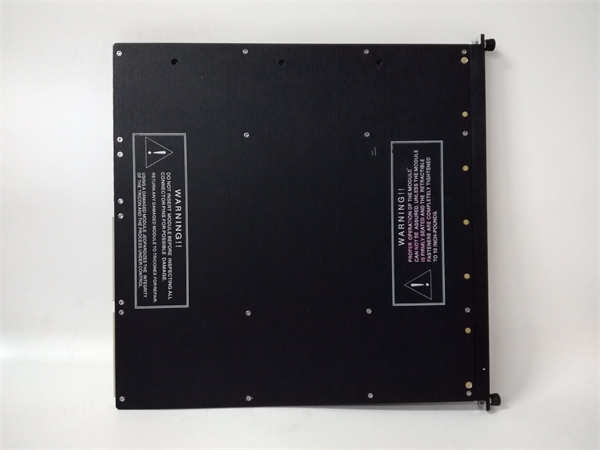
Triconex 3721
Lifecycle Status and Migration Strategy
Schneider Electric has formally discontinued the 3721 as part of the end-of-life plan for Tricon v9 systems. No new modules are available through authorized channels. Remaining units exist only in the secondary market, often without calibration history or functional verification. Continued use carries significant operational risk: a communication failure can delay emergency troubleshooting or block mandatory safety audits.
Short-term mitigation includes:
- Securing two verified, tested spares per site—ideally with matching firmware revisions.
- Restricting physical handling and avoiding unnecessary hot-plugging to preserve connector life.
- Documenting current TriBus node IDs and cable routing to accelerate replacement if needed.
For long-term sustainability, migration to Triconex v10/v11 is necessary. These platforms replace the 3721 with modern MP (Main Processor) modules featuring built-in 10/100 Mbps Ethernet, OPC UA, and secure remote access—eliminating reliance on legacy serial protocols. The upgrade path involves:
- Replacing main chassis and I/O modules
- Migrating application logic using Triconex conversion tools
- Revalidating all SIFs per IEC 61511
Facilities still operating Tricon v9 systems should treat the 3721 as a single point of failure in their support strategy and prioritize migration planning to ensure continued compliance, safety, and operational resilience.