 Tel:
Tel:  Email:
  WhatsApp:
 Description
Key Technical Specifications (For Spare Parts Verification)
- Product Model: 3704E
- Manufacturer: Triconex (Schneider Electric)
- System Family: TRICON (Triple Modular Redundant) Safety System
- Input Type: Discrete (Dry Contact or 24 VDC Sourced/Sunk)
- Channel Count: 16 channels per module
- Voltage Rating: 24 VDC nominal, with wide tolerance for industrial environments
- Diagnostic Coverage: Built-in channel-level diagnostics and voting mismatch alerts
- Redundancy Architecture: TMR (Triple-Modular Redundant) – three independent channels per input
- Form Factor: Standard TRICON chassis-mount I/O module (requires 3700-series backplane)
- Certification: Compliant with IEC 61508 SIL 3, ANSI/ISA 84.01
System Role and Downtime Impact
The 3704E is a foundational I/O module within TRICON safety instrumented systems (SIS), commonly deployed in oil & gas, chemical, and power generation facilities. It acquires critical binary signals—such as valve positions, pump status, or emergency shutdown requests—and processes them through the TMR architecture to ensure fail-safe operation. Although not the main controller, its failure can degrade system redundancy. If all three channels of a single input path fail or lose synchronization, the TRICON chassis may force a controlled shutdown (trip) to maintain safety integrity. In high-availability plants, unplanned trips due to I/O faults can result in production losses exceeding hundreds of thousands of dollars per hour.
Reliability Analysis and Common Failure Modes
Despite its robust TMR design, the 3704E is susceptible to age-related degradation. The most frequent failure modes include optocoupler drift due to prolonged thermal stress, solder joint fatigue from thermal cycling, and terminal block corrosion in humid or corrosive environments. A known design vulnerability is its reliance on internal filtering components that degrade over time, leading to intermittent signal misreads—especially on channels exposed to electrical noise or inductive kickback. Additionally, while the module itself does not use a battery, it depends on stable backplane power; voltage sags or transients can cause temporary voting errors that log as “soft faults.” For preventive maintenance, technicians should routinely inspect terminal tightness, verify input signal stability under load, perform loop checks during scheduled outages, and monitor diagnostic logs for recurring channel mismatches. Keeping spare modules powered in a test rack can also help identify latent failures before deployment.
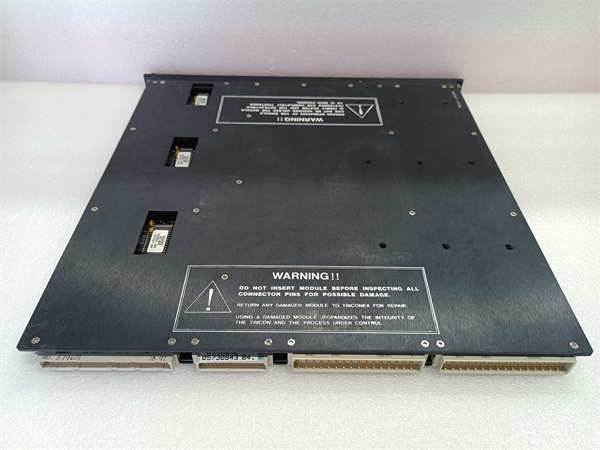
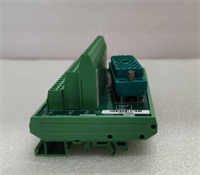
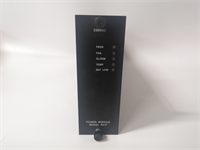
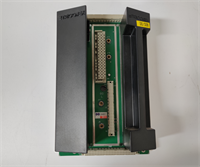
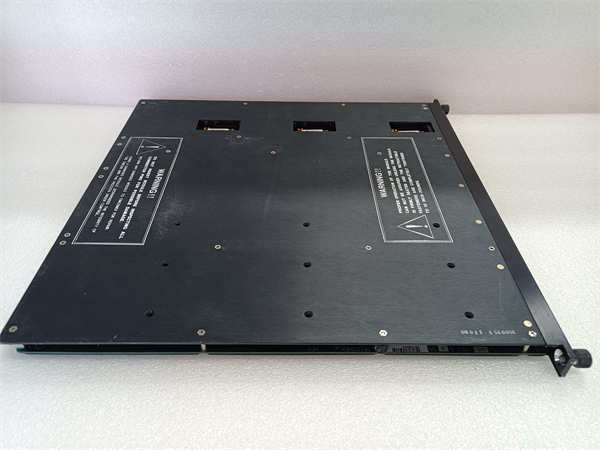
TRICONEX 3704E
Lifecycle Status and Migration Strategy
Schneider Electric has officially marked the 3704E as obsolete, with no new units available through standard distribution channels. Continued use carries significant operational risk: spare parts are scarce, often sourced from third-party brokers at premium prices, and may lack traceability or functional verification. While some asset owners extend life through rigorous testing of used modules or board-level repairs, these are stopgap measures. The recommended migration path is to upgrade to the Triconex Trident platform (e.g., Trident I/O modules such as the TCM-440x series), which offers enhanced cybersecurity, modern communication interfaces (including OPC UA), and backward compatibility with existing logic via conversion tools. However, migration requires engineering effort—including I/O re-mapping, software recompilation in Triconex Enhanced Diagnostic Monitor (EDM), and possibly field wiring adaptations. For facilities planning long-term reliability, a phased migration during major turnarounds is strongly advised over indefinite reliance on legacy hardware.