 Tel:
Tel:  Email:
  WhatsApp:
 Description
Key Technical Specifications (For Spare Part Verification)
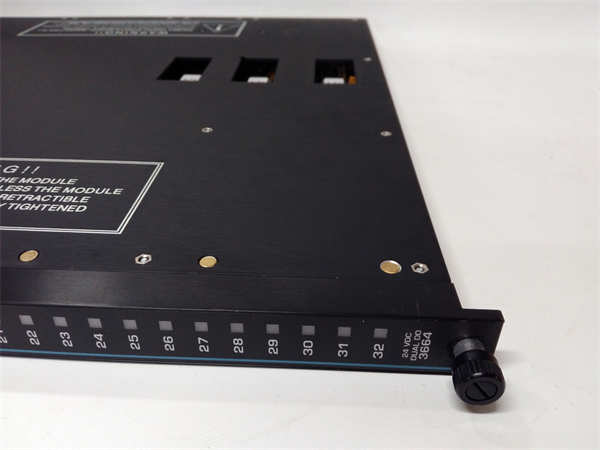
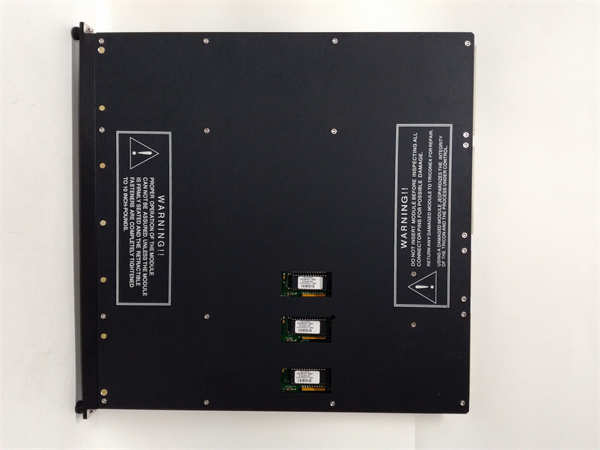
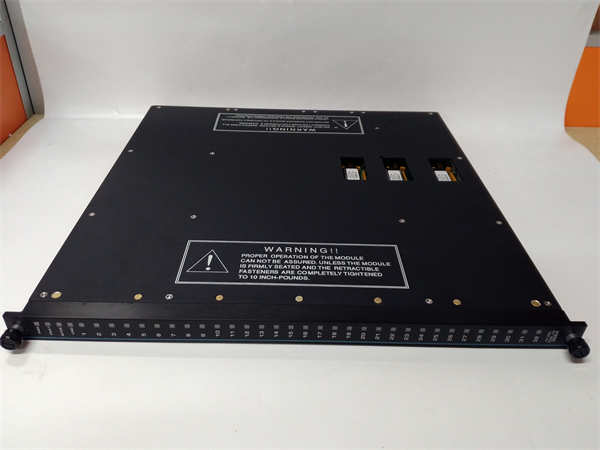
- Product Model: TRICONEX 3664
- Manufacturer: Schneider Electric (Triconex)
- System Platform: Tricon v9 or v10 Safety Instrumented System (SIS)
- Module Type: Communication / Programming Interface
- Interface Type: Proprietary TriBus (via DB9 or RJ45, depending on revision)
- Compatible Software: TriStation 1131 v4.x or earlier (not fully compatible with v5+ without adapters)
- Installation Slot: Dedicated communication slot in Tricon chassis (typically rightmost)
- Diagnostic Indicators: LED for power, communication activity, and fault status
- Backplane Compatibility: Requires Tricon v10 main chassis (e.g., 8310A, 8311A)
- Firmware Dependency: Must match MPU firmware version; mismatch prevents connection
System Role and Downtime Impact
The TRICONEX 3664 module is installed in the Tricon chassis and serves as the sole engineering access point for connecting a laptop or workstation running TriStation 1131. It is used during commissioning, maintenance, logic modifications, and diagnostic investigations. Unlike I/O modules, it does not directly control field devices—but its absence or failure blocks all engineering interaction with the safety controller.
If the 3664 fails or is missing:
- Engineers cannot download updated safety logic or parameter changes;
- Real-time diagnostics and event logs cannot be retrieved;
- Post-trip analysis becomes severely limited, delaying root cause identification;
- Regulatory compliance audits may be compromised due to inability to demonstrate configuration control.
While the safety system continues to operate autonomously, any required change or deep troubleshooting becomes impossible, effectively freezing the system in its current state—a critical constraint during incident response or regulatory inspections.
Reliability Analysis and Common Failure Modes
Although not subjected to field signal stress like I/O modules, the 3664 exhibits age-related vulnerabilities:
- Common Failure Modes:
- Corrosion or mechanical wear on the front-panel communication port (DB9/RJ45), causing intermittent connection;
- Internal FPGA or UART chip degradation, leading to communication timeouts or CRC errors;
- Firmware corruption after unexpected power loss during data transfer;
- Incompatibility with modern Windows OS drivers (e.g., USB-to-serial adapter conflicts).
- Design Weaknesses:
- Single point of failure for engineering access—no redundant communication path in v10 systems;
- Proprietary protocol limits use of standard networking tools for diagnostics;
- No built-in self-test beyond basic LED indicators.
- Preventive Maintenance Recommendations:
- Store a known-good spare module in ESD-safe packaging;
- Use high-quality shielded cables and avoid frequent plug/unplug cycles;
- Maintain a dedicated engineering laptop with validated TriStation 1131 v4.x installation and correct serial drivers;
- Periodically verify communication link during scheduled maintenance windows.
-

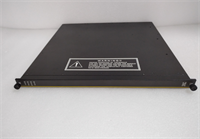
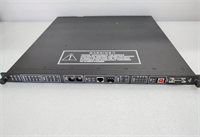
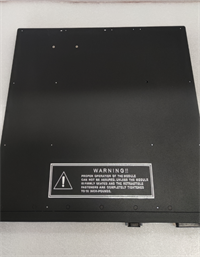
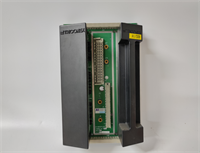
TRICONEX 3664
Lifecycle Status and Migration Strategy
- Official Status and Risks:
Schneider Electric has discontinued the 3664 and shifted support to the Trident platform, which uses standard Ethernet for engineering access (no dedicated comm module needed). Continuing to rely on the 3664 entails:- Increasing difficulty obtaining functional spares;
- Growing incompatibility with modern IT infrastructure (e.g., lack of USB or TCP/IP native support);
- Inability to leverage newer TriStation 1131 features (e.g., cybersecurity enhancements, cloud logging).
- Interim Mitigation Measures:
- Acquire and test at least two spare 3664 modules; label them with compatible MPU firmware versions;
- Create a “golden” engineering station image with all required drivers and software;
- Avoid unnecessary MPU firmware upgrades that may break 3664 compatibility.
- Migration Path:
The recommended upgrade is to the Triconex Trident system, where engineering access is handled over standard Ethernet using TriStation 1131 v5 or later. Migration involves:- Replacing the Tricon v10 chassis with a Trident MPU (e.g., MPU-3008);
- Retaining existing I/O where possible (some v10 I/O can be reused with adapter carriers);
- Converting the application project using Schneider’s migration utilities;
- Re-validating all Safety Instrumented Functions (SIFs) per IEC 61511.
For facilities with long operational horizons, planning this migration during a major turnaround is essential to eliminate single-point obsolescence risks while preserving safety integrity.