 Tel:
Tel:  Email:
  WhatsApp:
 Description
Key Technical Specifications (For Spare Parts Verification)
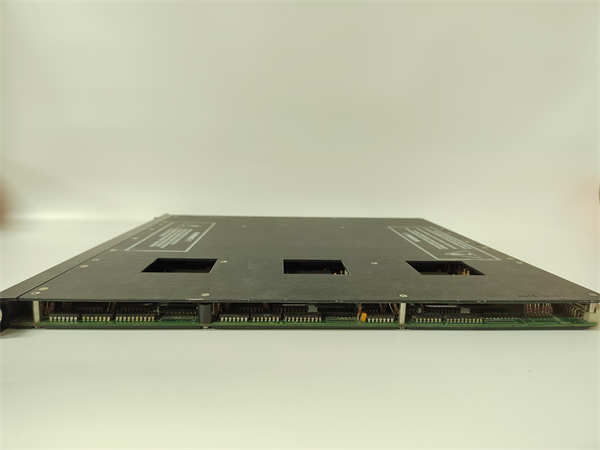
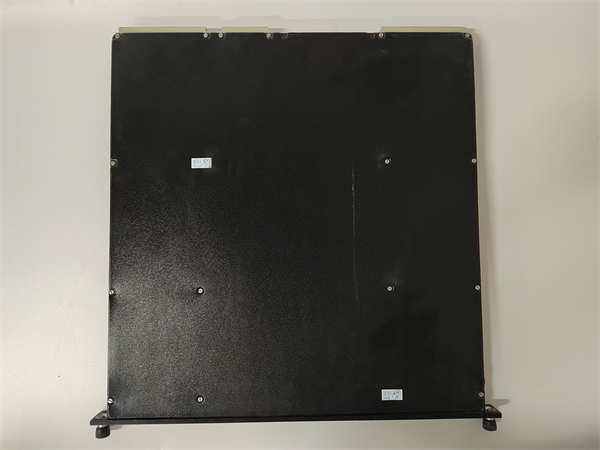
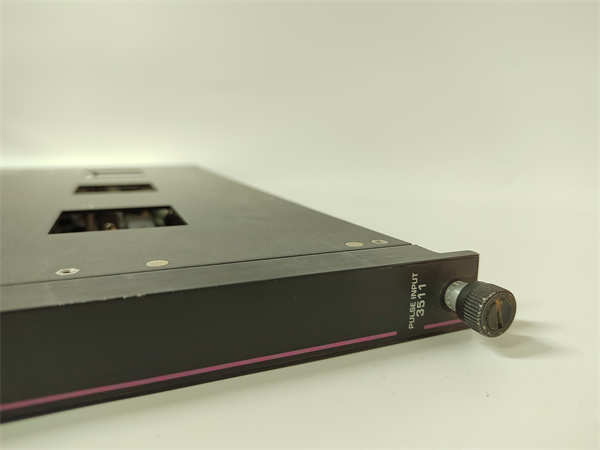
- Product Model: 3511
- Manufacturer: TRICONEX (Schneider Electric)
- System Family: Tricon (Classic platform, pre-Triconex v10 architecture)
- Architecture: Triple-Modular Redundant (TMR) with three independent microprocessors and voting circuitry
- Memory: Fixed program and data memory (non-expandable, typically 1–2 MB range)
- Communication Interfaces: Proprietary Tricon backplane bus; supports Modbus RTU via optional communication modules
- Power Consumption: Approx. 5 W via chassis backplane
- Diagnostic Coverage: Built-in self-test (BIT) during power-up and continuous runtime diagnostics
- Mounting: Slot 0 or 1 in Tricon main chassis (e.g., 8310A or 8311A)
- Firmware Dependency: Requires specific Tristation 1131 version; not compatible with newer Triconex software releases
System Role and Downtime Impact
The 3511 serves as the primary logic solver in legacy Tricon safety systems, commonly deployed in high-hazard industries such as refining, petrochemicals, and LNG. It executes certified safety applications (typically SIL 2/3 per IEC 61508) that monitor emergency shutdown conditions, fire & gas detection, or pressure relief scenarios. Due to its role in the TMR architecture, a single 3511 failure may be tolerated temporarily through redundancy—but loss of a second module triggers a safe state, halting protected processes. In critical infrastructure, this can result in multi-million-dollar production losses, regulatory reporting, and extended restart procedures. Recovery requires immediate replacement with a verified-compatible unit, which is increasingly difficult given global scarcity.
Reliability Analysis and Common Failure Modes
Despite the inherent robustness of TMR design, the 3511 exhibits age-related vulnerabilities typical of early-1990s industrial electronics. The most frequent failure mechanisms include:
- Onboard electrolytic capacitor degradation, leading to power rail instability and spontaneous resets.
- Battery-backed SRAM corruption, caused by depletion of the internal lithium battery (typically rated for 5–7 years), resulting in loss of application or configuration data.
- Backplane connector wear or oxidation, causing intermittent communication faults between the three processors or with I/O modules.
- Latch-up or ESD damage on communication transceivers, especially when connected to external engineering tools without proper grounding.
A notable design limitation is the non-replaceable internal battery and fixed memory—once corrupted, the module often cannot be restored without factory-level reprogramming, which is no longer supported. Environmental stressors such as high ambient temperature, humidity, and electrical noise accelerate these failure modes.
Recommended preventive actions include: annual verification of module diagnostics via Tristation 1131, visual inspection for capacitor bulging, cleaning of chassis slots and connectors, and maintaining validated offline backups of the safety application.
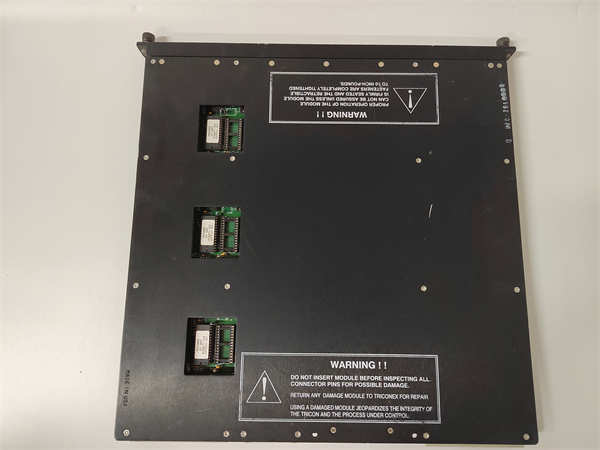
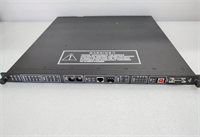
TRICONEX 3511
Lifecycle Status and Migration Strategy
Schneider Electric has officially discontinued the 3511 and classified it as obsolete under its product lifecycle policy. No new units are manufactured, and technical support is restricted to legacy service contracts at premium cost. Continued operation carries substantial risk: spare availability is confined to brokers and decommissioned sites, authenticity is unverifiable, and prices have escalated dramatically.
Short-term mitigation includes securing tested spares from certified vendors, implementing strict handling protocols to avoid ESD damage, and performing regular functional tests to detect latent faults. However, the sustainable path is migration to the modern Triconex platform (e.g., Trident or Tricon CX models). This transition involves replacing the chassis, processors, and I/O modules, along with re-engineering the safety logic in Tristation v11 or later. While requiring capital investment, migration delivers long-term benefits: enhanced cybersecurity, Ethernet-based diagnostics, OPC UA connectivity, and full vendor support—eliminating reliance on obsolete hardware like the 3511.