 Tel:
Tel:  Email:
  WhatsApp:
 Description
Technical Specifications (For Spare Part Verification)
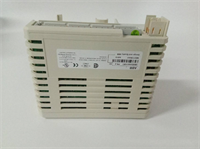
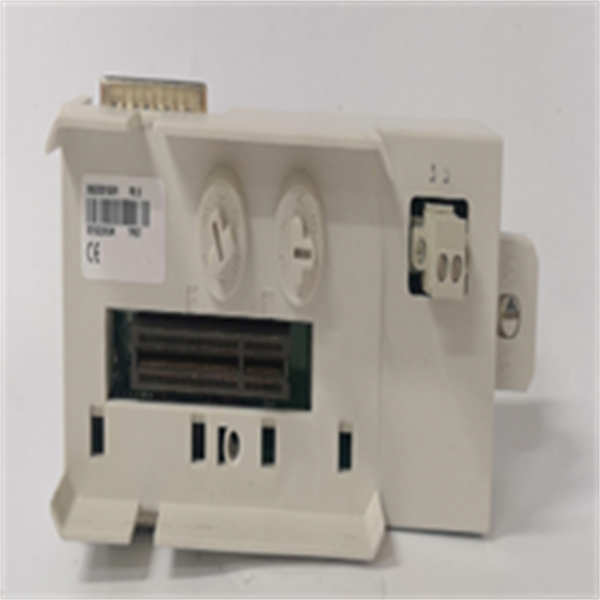
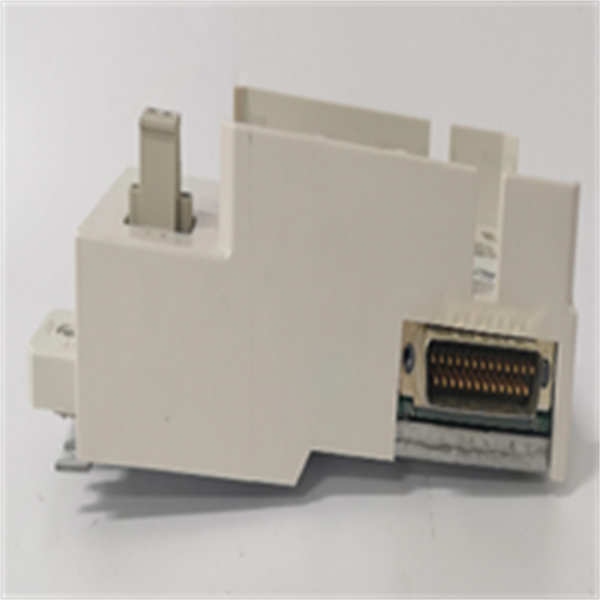
- Model: TP857
- Manufacturer Part Number: 3BSE030192R1
- Manufacturer: ABB
- System Family: ABB AC 800M Distributed Control System (DCS) / Extended Automation
- Module Type: Termination Unit / Base Carrier for S800 I/O Series
- Compatible I/O Modules: AI810, AO810, DI810, DO810, and other S800 analog/discrete modules
- Field Wiring: Screw-terminal blocks (removable), rated for 250 V AC/DC, 6 A
- Backplane Interface: Connects to S800 I/O modules via DIN 41612 connector; links to CI854/CI858 communication interfaces
- Power Supply: +5 V, ±15 V, and +24 V DC delivered via backplane from power supply unit
- Diagnostic Support: LED indicators on I/O modules visible through TP857 window; no active electronics in TP857 itself
- Mounting: DIN rail or panel mount, with keyed slots to prevent misalignment
System Role and Downtime Impact
The ABB TP857 is a passive but essential component in the AC 800M I/O architecture. It does not process signals, but it provides the physical and electrical foundation for S800 I/O modules to function. Each TP857 hosts one I/O module and routes its field connections to terminal blocks while ensuring reliable contact with the communication backplane. In critical applications—such as boiler control in power plants, compressor monitoring in oil & gas, or reactor temperature regulation in pharma—a faulty or incompatible TP857 can cause intermittent signal loss, calibration drift, or complete channel dropout. Because these systems often operate without redundant I/O for non-safety loops, such failures may go undetected until they trigger alarms or process deviations, leading to production loss or regulatory non-compliance.
Reliability Analysis and Common Failure Modes
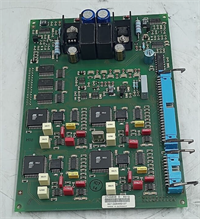
Although the TP857 contains no active electronics, it is subject to mechanical and environmental wear. The most common issues include: corrosion or oxidation on the DIN 41612 backplane connector pins, leading to poor contact with the I/O module; cracked or stripped terminal block screws due to repeated maintenance; and deformation of the plastic housing from prolonged heat exposure, causing misalignment during module insertion. Additionally, dust or conductive debris accumulation in the terminal cavity can create leakage paths, especially in high-humidity or corrosive environments.
Recommended preventive actions include:
- Inspecting terminal tightness and cleanliness during routine loop checks
- Verifying that replacement TP857 units match the exact revision (e.g., R1 vs. R2) to ensure mechanical compatibility
- Using anti-oxidant compound on backplane contacts in harsh environments
- Avoiding overtightening terminal screws beyond 0.6 Nm (per ABB specifications) to prevent thread damage
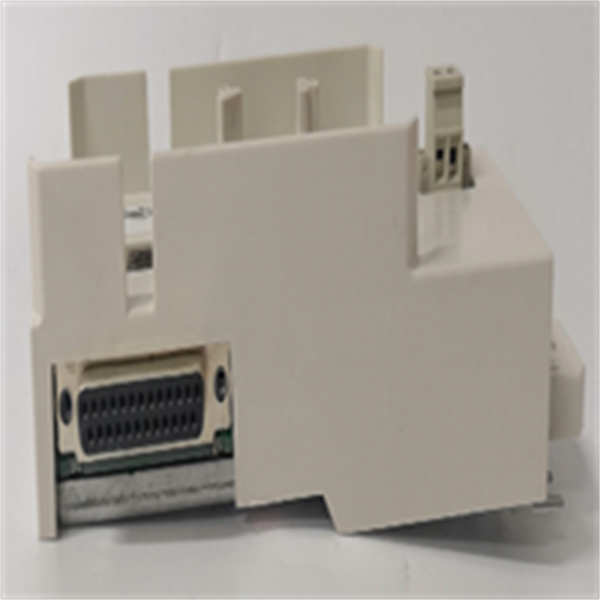
TP857 3BSE030192R1 ABB
Lifecycle Status and Migration Strategy
ABB has phased out the TP857 (3BSE030192R1) as part of the broader transition from the S800 I/O platform to the newer S900 I/O and AC 900F/AC 900P controller families. While some regions may still have limited stock, no new production exists, and official support is restricted to existing service contracts. Continuing to rely on obsolete TP857 units increases the risk of extended downtime due to unavailability or counterfeit parts.
Short-term mitigation includes:
- Securing verified, tested TP857 units from certified automation lifecycle vendors
- Maintaining a spare pool of complete I/O assemblies (TP857 + I/O module) for rapid swap
- Implementing strict handling procedures to avoid mechanical damage during maintenance
For long-term sustainability, ABB’s recommended migration path is to upgrade to the S900 I/O system, which offers higher channel density, improved diagnostics, and native support for PROFINET and OPC UA. This transition requires:
- Replacement of I/O carriers and terminal blocks
- Reconfiguration of I/O assignments in Control Builder M
- Potential rewiring if field cable lengths are insufficient for new cabinet layouts
While migration involves engineering effort, it eliminates obsolescence risk and aligns the control system with modern cybersecurity and interoperability standards—making it a strategic step for facilities planning operation beyond the next five years.