 Tel:
Tel:  Email:
  WhatsApp:
 Description
Technical Specifications (For Spare Parts Verification)
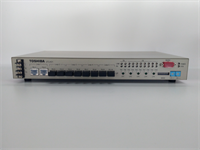
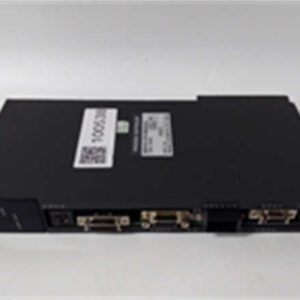
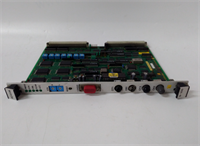
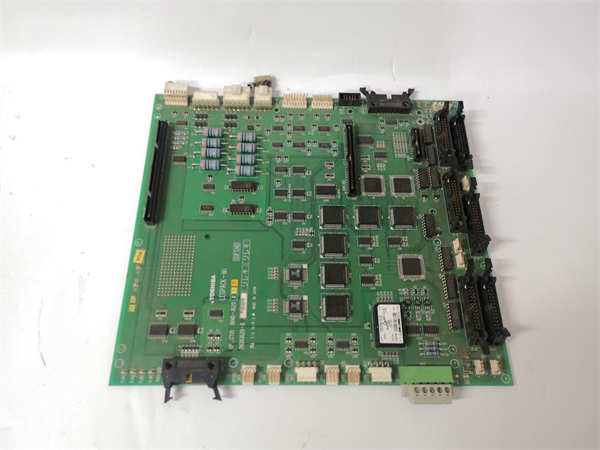
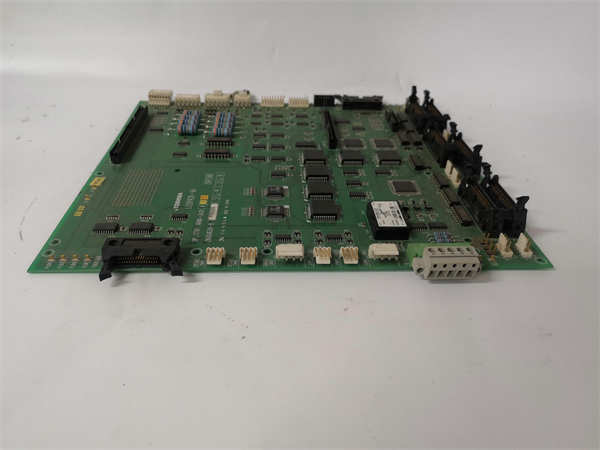
- Product Model: 2N3A3620-B
- Manufacturer: TOSHIBA (Historical Industrial Components Division)
- Form Factor: Plug-in PCB module or DIN-rail mounted unit (common for era)
- Input Type: Likely TTL or 24 VDC logic-level signals from controller
- Output Type: Relay contact or transistor output (sourcing/sinking, estimated 0.5–2 A per channel)
- Channel Count: Estimated 4–8 channels (based on naming convention and physical size)
- Power Supply: Typically +5 VDC or +24 VDC via backplane or terminal
- Isolation: Basic optical or relay-based isolation between input and output
- Indication: May include LED per channel for status
- Mounting: Socketed PCB edge connector or screw-terminal base
- Operating Temperature: 0°C to +55°C (typical for industrial environment of period)
- Physical Dimensions: Approx. 120 x 80 x 30 mm (estimated from similar Toshiba modules)
System Role and Downtime Impact
The 2N3A3620-B typically functions as an intermediary between a central controller (often a custom Toshiba or Mitsubishi PLC) and field actuators such as indicator lamps, small relays, solenoid valves, or enable circuits for motor drives. It is commonly found inside OEM control cabinets where modularity was achieved through proprietary plug-in boards. Because these systems rarely included redundancy at the I/O level, a single failed module can disable multiple machine functions—for example, preventing a robotic arm from receiving “ready” signals or disabling emergency stop reset logic. In continuous-process environments like electronics assembly lines, this leads to immediate line stoppage with high cost-per-minute impact.
Reliability Analysis and Common Failure Modes
After 25–35 years of service, the 2N3A3620-B exhibits predictable aging-related failures:
- Output transistor burnout: Caused by inductive kickback from un-suppressed coils (e.g., relays without flyback diodes), leading to shorted or open outputs.
- Input optocoupler degradation: Reduced current transfer ratio over time causes marginal switching, especially at low control voltages.
- Electrolytic capacitor failure: Onboard power filtering capacitors dry out, increasing noise susceptibility and causing erratic behavior.
- Connector/socket corrosion: Oxidation on edge connectors or base terminals creates intermittent contact, manifesting as sporadic signal loss.
A significant design limitation is the lack of per-channel diagnostics—operators often only detect failure after a machine fault occurs. Additionally, many units were designed without adequate clamping diodes or surge protection, making them vulnerable to EMI in modern industrial settings.
Preventive maintenance recommendations include:
- Performing continuity and load tests on all channels during scheduled downtime.
- Inspecting for bulging capacitors, burnt traces, or discolored components on the PCB.
- Measuring input threshold voltages to verify switching reliability.
- Cleaning edge connectors with contact enhancer and verifying secure seating in the base.
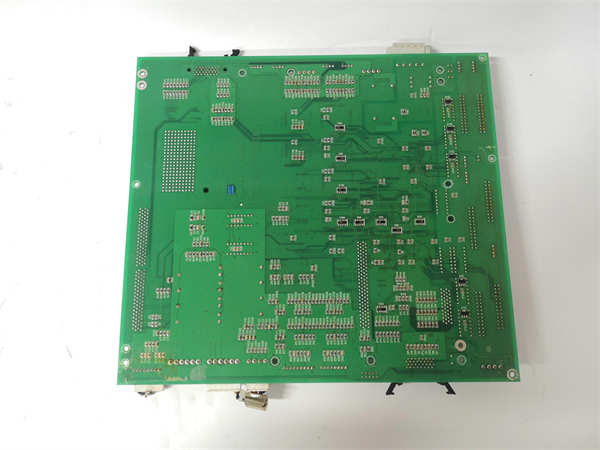
TOSHIBA 2N3A3620-B
Lifecycle Status and Migration Strategy
Toshiba provides no support for the 2N3A3620-B, and original technical data is effectively lost. Continued reliance on this module poses severe operational risk due to zero supply chain visibility and declining functional integrity of aging units.
As an interim solution:
- Reverse-engineer the I/O mapping and electrical characteristics using a multimeter and oscilloscope.
- Replace with a modern, off-the-shelf I/O module (e.g., Omron G70V, Phoenix Contact PLC-INTERFACE) that matches voltage, current, and form factor.
- Implement external protective components (flyback diodes, TVS suppressors) to extend life of remaining spares.
For sustainable operation, a targeted panel retrofit is strongly advised: replace the entire obsolete interface block with a standardized, globally supported I/O system. In machines containing multiple Toshiba-specific modules, a full control system upgrade—replacing the legacy controller with a compact PLC (e.g., Siemens S7-1200, Allen-Bradley Micro850)—eliminates recurring obsolescence risks and improves diagnostic capability, cybersecurity, and maintainability. This investment is justified in any asset expected to operate beyond 2027.