 Tel:
Tel:  Email:
  WhatsApp:
 Description
Key Technical Specifications (For Spare Part Verification)
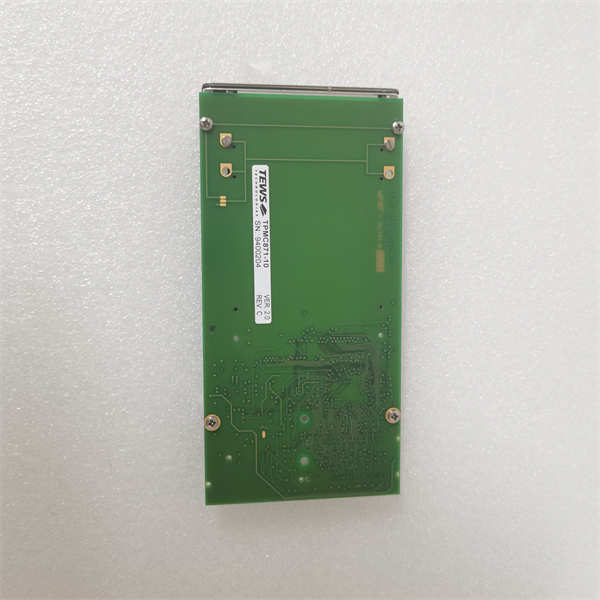
- Product Model: TPMC871-10
- Manufacturer: Tews Technologies (Kontron)
- Form Factor: PCI Mezzanine Card (PMC), IEEE P1386.1 compliant
- Host Interface: PCI Express x4 (via PMC connector)
- Network Interfaces: Dual 10GBASE-T (RJ45) ports, full-duplex
- Controller: Typically Intel® X550 or equivalent 10GbE controller
- Operating Temperature: Extended range (e.g., -40°C to +85°C) depending on build variant
- Conduction Cooling Option: Available for ruggedized versions (verify suffix codes)
- Software Support: Linux, VxWorks, Windows drivers (legacy versions only)
- Mechanical Compatibility: Requires carrier board with PMC site and adequate power/thermal budget
- Power Consumption: ~25–35 W under load (verify with host system specs)
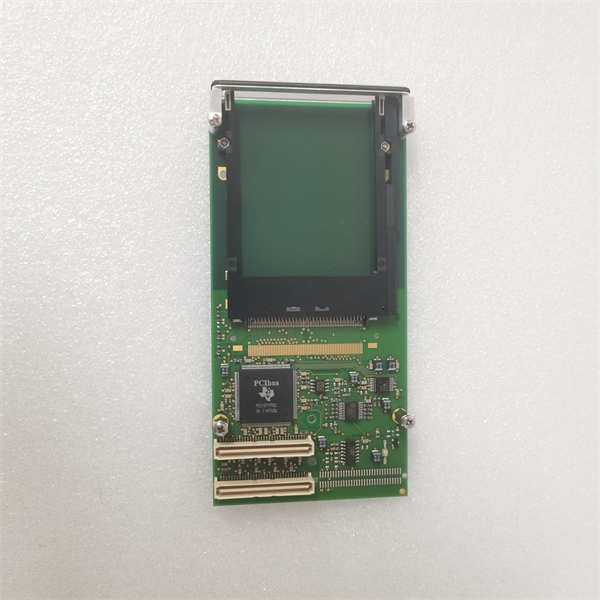
TEWS TPMC871-10
System Role and Downtime Impact
The TPMC871-10 is commonly integrated into rugged embedded systems used in defense, aerospace, rail, and industrial automation—particularly where high-bandwidth sensor data (e.g., radar, video, RF) must be streamed over Ethernet. It is mounted on a CompactPCI Serial or hybrid carrier card within a 3U or 6U chassis, acting as the primary or secondary network uplink.
Failure of this module results in complete loss of one or both 10GbE links, potentially halting data ingestion, disrupting time-sensitive control loops, or breaking redundancy in fault-tolerant architectures. Because the module is soldered or tightly integrated in many custom carriers, replacement requires system depopulation, revalidation of timing budgets, and reinstallation of legacy drivers—tasks complicated by the lack of current OS support. In mission-critical deployments, this can ground aircraft, idle test benches, or suspend automated inspection lines until a verified spare is installed.
Reliability Analysis and Common Failure Modes
Despite conformal coating and rugged design, long-service units show predictable wear:
The 10GBASE-T PHY chips generate significant heat, accelerating thermal fatigue in BGA solder joints—especially in convection-cooled systems. RJ45 magnetics and ESD protection circuits degrade after repeated cable insertions or field transients, leading to link instability or port failure. Power regulation components (e.g., buck converters) suffer from capacitor aging, causing voltage droop during peak traffic and PCIe link resets. Additionally, firmware or NVM corruption in the Ethernet controller can prevent enumeration on boot.
Preventive measures include:
- Monitoring link error counters via ethtool or vendor diagnostics
- Ensuring adequate airflow or conduction path integrity in the chassis
- Using shielded, high-quality Cat 6a/7 cables with proper strain relief
- Maintaining driver and BIOS compatibility baselines for rapid recovery
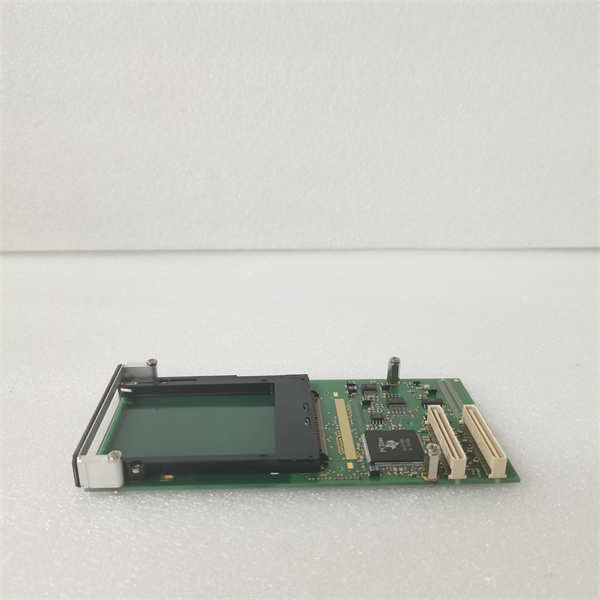
TEWS TPMC871-10
Lifecycle Status and Migration Strategy
Tews Technologies discontinued the TPMC871-10 following its integration into Kontron, which has shifted focus to newer standards like VPX, COM-HPC, and PCIe/104. No direct replacement exists with identical PMC form factor and 10GBASE-T support.
Short-term mitigation options:
- Procure remaining New Old Stock (NOS) or tested surplus units from authorized resellers
- Perform full imaging of working modules (including EEPROM contents) for potential cloning
- Isolate the module on non-critical paths if redundant networking is available
Long-term migration paths:
- Transition to VPX-based 3U/6U systems with integrated 10/25/40GbE (e.g., Kontron VX301x series)
- Adopt COM Express Type 7 or COM-HPC Server modules with native multi-port 10GbE
- Use carrier redesign to accommodate modern mezzanine standards (e.g., FMC+ with Ethernet IP)