 Tel:
Tel:  Email:
  WhatsApp:
 Description
Key Technical Specifications (For Spare Part Verification)
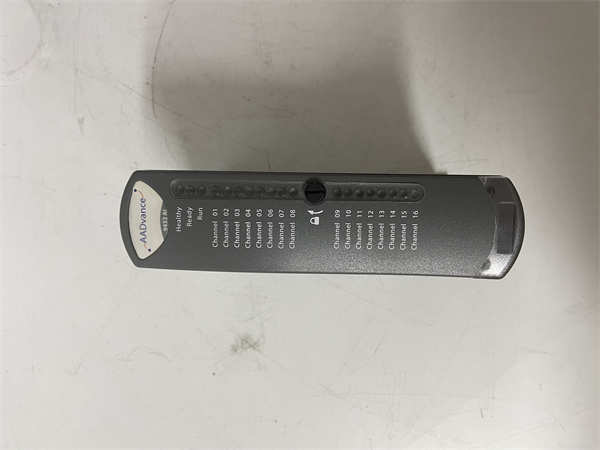
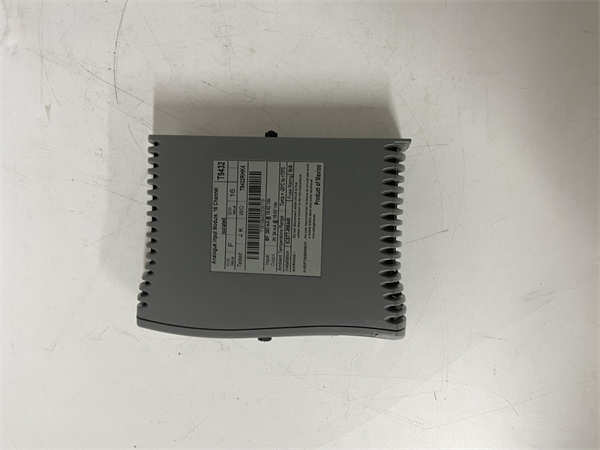
- Product Model: T9432
- Manufacturer: ICS Triplex / Schneider Electric (Triconex)
- System Compatibility: Tricon v10 and v11 mainframes (e.g., TCM 4351, TCM 4451)
- Input Channels: 16 differential analog inputs
- Signal Type: 4–20 mA (sink mode), with optional 0–20 mA range
- HART Support: Yes – transparent HART communication pass-through for device diagnostics
- Accuracy: ±0.1% of span (typical)
- Isolation: Channel-to-channel and channel-to-system isolation per IEC 61508
- Redundancy Architecture: Fully triplicated – each signal processed independently by three microprocessors
- Diagnostic Coverage: >99% (per original FMEDA)
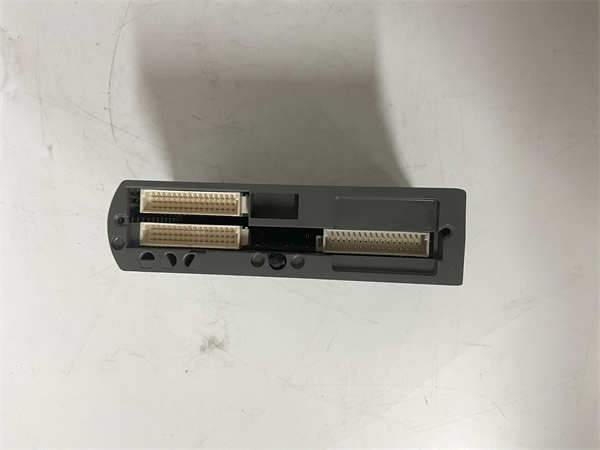
- Mounting: Hot-swappable in Tricon chassis slot (requires T9400 series backplane)
- LED Indicators: Per-channel OK/FAULT, module status, and HART activity
System Role and Downtime Impact
The T9432 is a foundational component in Triconex-based Safety Instrumented Systems (SIS), commonly deployed in oil & gas, chemical, and power generation facilities. It acquires critical process measurements—such as pressure, level, or temperature—from field transmitters and delivers fault-tolerant data to the Tricon main processor for real-time safety logic evaluation. Due to its role in SIL-rated functions, a failed T9432 can trigger a spurious trip (causing unplanned plant shutdown) or, more critically, result in dangerous undetected failure if diagnostics are bypassed or degraded. In redundant configurations, the system may continue operating on two legs, but loss of a second module could lead to complete SIS disablement. Given regulatory requirements (e.g., IEC 61511), any degradation in SIS availability must be reported and mitigated promptly.
Reliability Analysis and Common Failure Modes
Although designed for high reliability, the T9432 exhibits age-related vulnerabilities common to early-2000s industrial electronics. The most frequent failure mechanism is electrolytic capacitor aging in the internal DC-DC converters, leading to voltage droop, intermittent channel faults, or module self-diagnostic alarms. HART modem IC degradation can cause loss of digital communication while analog signal remains intact—creating a latent fault that evades standard loop checks. Additionally, connector pin corrosion at the terminal block interface (especially in humid or corrosive environments) may introduce resistance drift, causing measurement offsets that fall outside safety thresholds.
A known design limitation is the lack of field-replaceable components; the entire module must be swapped. Units exposed to sustained temperatures above 60°C or frequent thermal cycling show accelerated wear.
Recommended preventive practices include:
- Performing quarterly partial-stroke tests that validate T9432 input response within safety logic
- Monitoring Triconex Enhanced Diagnostic Monitor (EDM) logs for “voting mismatch” or “channel deviation” alerts
- Verifying HART pass-through functionality during transmitter calibration cycles
- Storing spares in climate-controlled, static-safe conditions to preserve component life
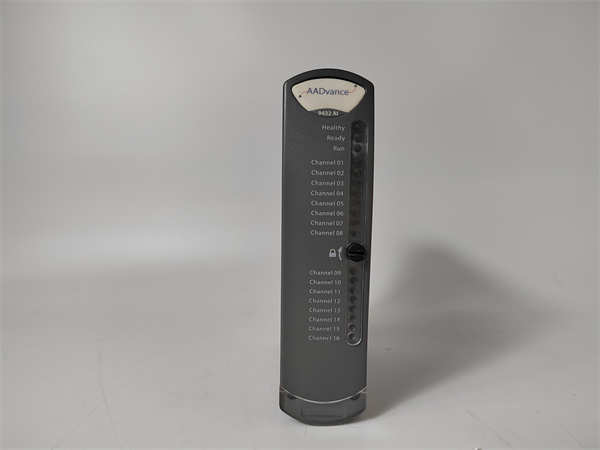
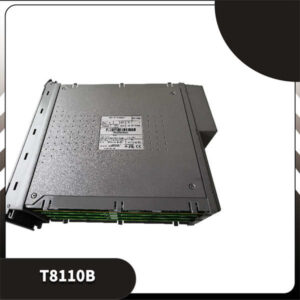
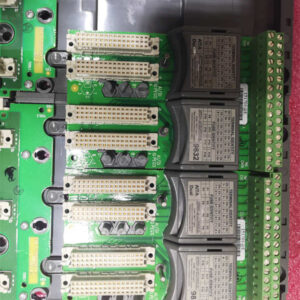
T9432 ICS TRIPLEX
Lifecycle Status and Migration Strategy
Schneider Electric has formally obsoleted the T9432 as part of the Tricon v10/v11 end-of-life plan. No factory-new units are available, and official repair services are no longer offered. Continued operation increases exposure to supply shortages and compliance risks under functional safety management systems.
Interim risk controls include:
- Acquiring multiple tested spares with full diagnostic history and matching firmware revisions
- Implementing rigorous module rotation in test racks to verify hot-swap and redundancy handover
- Documenting channel mapping and termination details to accelerate replacement during outages
For long-term continuity, Schneider Electric recommends migration to the Tricon CX or Tricon Elite platforms. The closest functional equivalent is the AI-T3216 (16-channel TMR analog input with HART). Migration entails:
- Replacing the entire Tricon mainframe and I/O chassis
- Retaining existing field wiring via adapter terminal blocks (e.g., TB-T3216)
- Revalidating all safety logic and proof test procedures under IEC 61511
- Upgrading engineering tools to Triconex Safety Manager Studio
While capital-intensive, such a migration restores access to manufacturer support, modern cybersecurity features, and extended lifecycle assurance—critical for facilities operating beyond 2030. A phased approach, starting with non-critical SIFs, can manage cost and risk.