 Tel:
Tel:  Email:
  WhatsApp:
 Description
Key Technical Specifications (For Spare Part Verification)
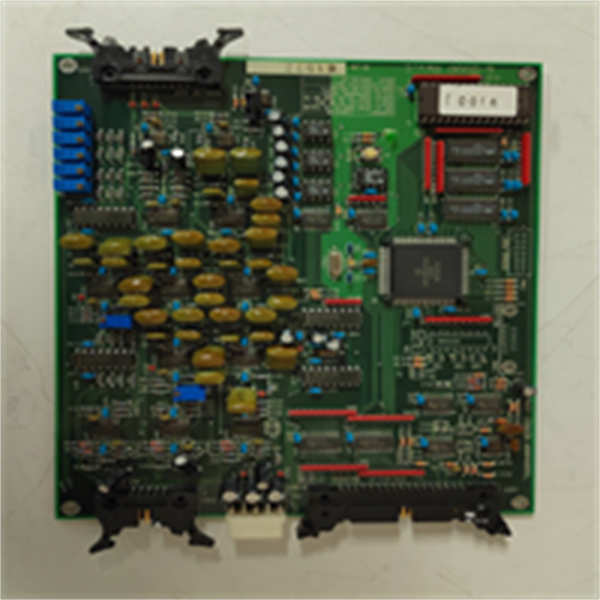
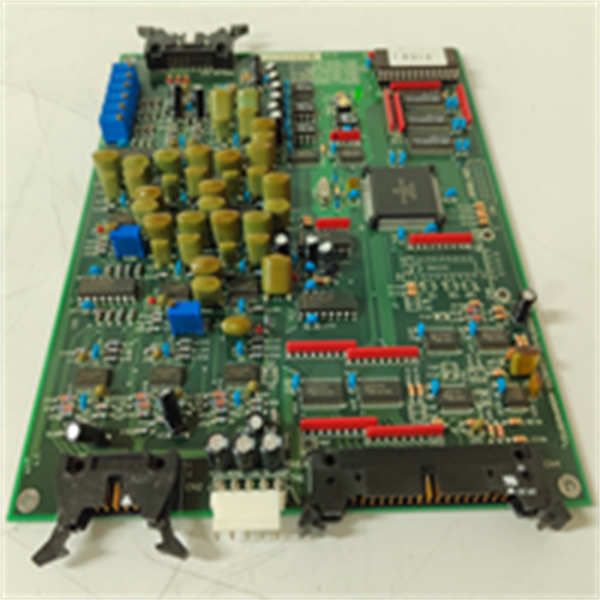
- Product Model: S-0000 REV.C
- Manufacturer: SUGAHARA (Sugahara Keiki Co., Ltd., Japan)
- Product Type: Mechanical diaphragm or piston-type pressure switch
- Pressure Range: Typically 0–10 MPa (exact range varies by suffix; must verify nameplate)
- Switch Output: SPDT or DPDT electromechanical contact (commonly rated 5A @ 250V AC)
- Electrical Connection: Screw terminals or pre-wired leads (length and gauge vary)
- Process Connection: Commonly R1/4″, R1/2″, or NPT threads (must match existing piping)
- Set Point Adjustment: Manual screw with locknut; factory-set or field-adjustable depending on variant
- Enclosure Rating: Usually IP65 or equivalent for industrial environments
- Operating Fluid: Compatible with mineral oil, air, or inert gases (not for corrosive media)
System Role and Downtime Impact
The S-0000 REV.C is typically installed in critical hydraulic power units, injection molding machines, or press brake safety circuits. It functions as a hardwired safety interlock—monitoring system pressure to enable or disable machine motion. In many legacy Japanese OEM machines (e.g., from Toshiba Machine, Nissei, or Komatsu), this switch directly feeds into the safety relay chain. If it fails open, the machine will not start; if it fails closed, it may bypass a critical low-pressure safety check, creating a hazardous condition. Its failure often results in unplanned downtime of high-value equipment, with repair delays due to part scarcity.
Reliability Analysis and Common Failure Modes
Despite its simple mechanical design, the S-0000 REV.C is prone to age-related degradation. The most common failure mode is contact welding or oxidation due to repeated switching under inductive loads (e.g., solenoid valves), leading to either false “pressure OK” signals or no-switching events. Internally, the diaphragm or piston seal can harden over time, especially if exposed to high temperatures or incompatible fluids, causing drift in set point or complete loss of sensitivity. A key design weakness is the lack of electronic diagnostics—there’s no way to predict failure before it occurs. Additionally, units with factory-sealed set points cannot be recalibrated in the field, making them single-point-of-failure components.
For maintenance teams, proactive inspection is essential. Check for physical damage to the housing, corrosion on terminals, and leakage around the process port. Manually test the switch actuation using a calibrated hand pump during scheduled outages. If the unit has an external adjustment screw, verify set point stability annually. Most critically, confirm that spare units are functionally tested before storage—many “new old stock” units suffer from dried lubricants or stiff diaphragms after decades in inventory.
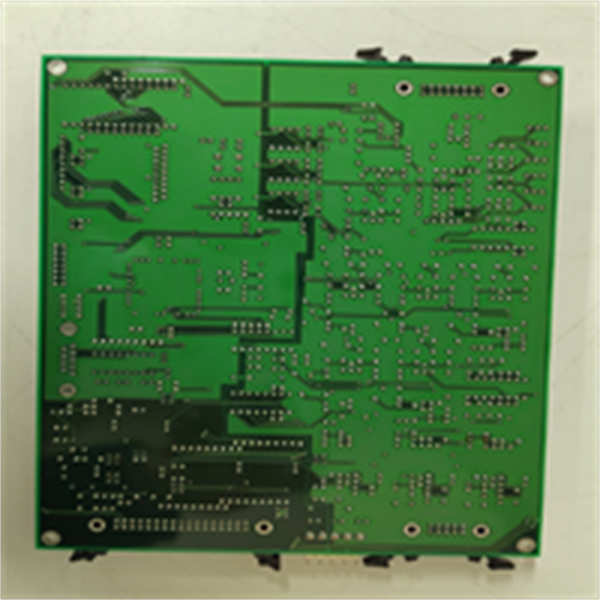
S-0000 REV.C SUGAHARA
Lifecycle Status and Migration Strategy
SUGAHARA discontinued the S-0000 series years ago, with REV.C being one of the final revisions. Official support and new production have ceased, placing users at significant operational risk. Continued use relies entirely on dwindling global surplus stock, which is increasingly counterfeit or degraded. The primary risk is not just cost—it’s the inability to restore production within acceptable timeframes after a failure.
As a temporary measure, qualified vendors can perform board-level repairs or remanufacture units using salvaged housings and new internal kits, though long-term reliability remains uncertain. For a permanent solution, migration to a modern electronic pressure switch is strongly advised. Recommended replacements include the IFM PN72xx series, OMRON E8PC, or Barksdale T2X, all of which offer configurable switching points, IO-Link or analog output, and diagnostic feedback. However, replacement requires verifying electrical compatibility (AC vs. DC coil), thread type, and pressure range—and often rewiring the safety circuit to meet current machinery directive standards. Engineering support is advised to ensure functional safety integrity is maintained during the transition.