 Tel:
Tel:  Email:
  WhatsApp:
 Description
Technical Specifications (For Spare Part Verification)
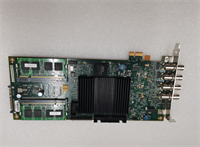
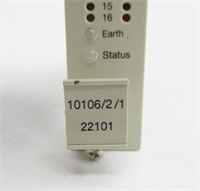
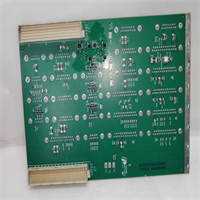
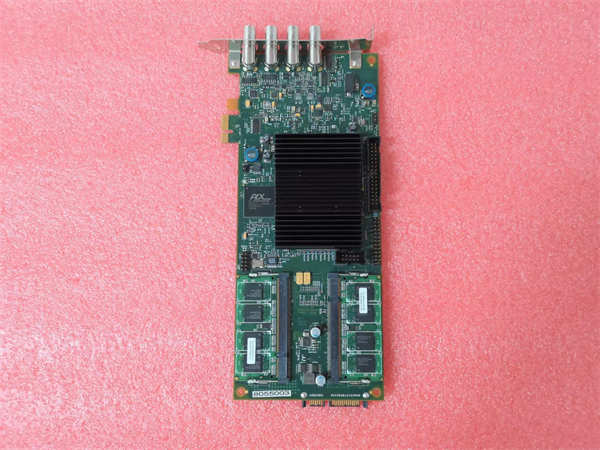
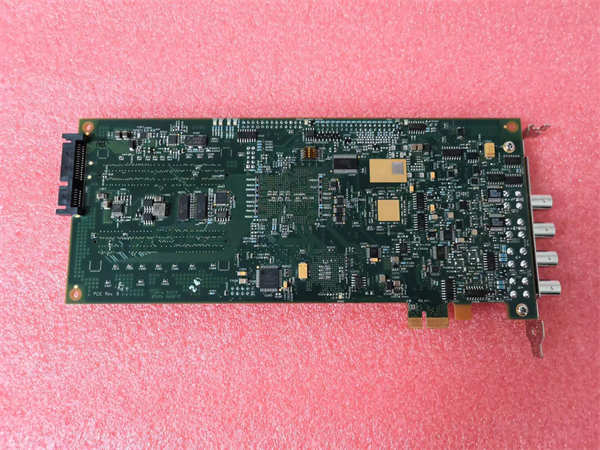
- Product Model: AL8XGTE1S
- Manufacturer: SONIX
- System Family: Industrial networking infrastructure for process automation
- Port Configuration: 8 × 10/100/1000BASE-T RJ45 copper ports
- Switching Capacity: 16 Gbps (non-blocking)
- Management Interface: Web GUI, CLI via serial or Telnet, SNMP v1/v2c
- Supported Protocols: IEEE 802.1Q VLAN, IGMP snooping, STP/RSTP, QoS (802.1p)
- Power Input: 24 VDC ±10% (typical for industrial DIN-rail switches)
- Mounting: DIN rail (35 mm)
- Operating Temperature: 0°C to +60°C
- Firmware Identifier: Requires verification of exact firmware revision (e.g., v2.1.7) for full protocol compatibility
System Role and Downtime Impact
The SONIX AL8XGTE1S functions as a critical Layer 2 switching node in legacy industrial Ethernet architectures, commonly deployed in power generation, water treatment, or chemical plants commissioned between 2008–2015. It typically interconnects PLCs, remote I/O stations, operator workstations, and engineering stations within a single control network segment. A failure of this switch—whether due to power surge, overheating, or internal component degradation—can result in complete loss of communication across all connected devices. In a DCS context, this may trigger redundant controller switchover or, in non-redundant designs, cause an unplanned plant shutdown. Given its central role, the absence of a verified spare introduces significant operational risk.
Reliability Analysis and Common Failure Modes
Despite its robust initial design, the AL8XGTE1S exhibits predictable aging characteristics common to early-generation industrial switches. The most frequent failure mode is power supply degradation, particularly in units exposed to continuous high ambient temperatures (>45°C), leading to intermittent rebooting or complete power dropout. Electrolytic capacitors on the mainboard often dry out after 8–12 years of service, causing voltage instability. Additionally, the lack of conformal coating on some production batches makes the PCB vulnerable to humidity-induced corrosion in harsh environments. The switch also relies on volatile memory for runtime configuration; without proper backup procedures, configuration loss can occur during unexpected power cycles.
Key vulnerabilities include:
- Absence of dual power inputs (single point of failure)
- Limited overvoltage protection on Ethernet ports (susceptible to ground potential differences)
- Fanless design with passive cooling—prone to thermal throttling if ventilation is obstructed
Preventive maintenance recommendations:
- Perform annual infrared thermography to detect hot spots
- Verify integrity of 24 VDC supply rails (ripple < 200 mVpp)
- Maintain a validated configuration backup (.cfg file) stored offline
- Clean dust from heat sink fins using compressed air every 6 months
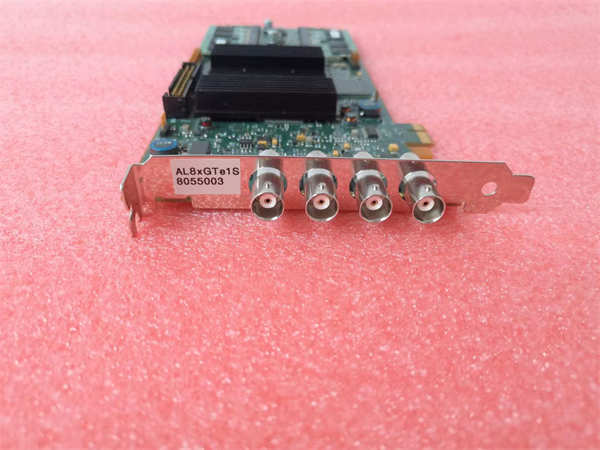
SONIX AL8XGTE1S 8055003
Lifecycle Status and Migration Strategy
SONIX officially discontinued the AL8XGTE1S series in 2019, with end-of-support declared in 2022. No new units are available from the manufacturer, and remaining inventory exists only in the secondary market—often uncertified, untested, or mismatched in firmware. Continued use carries escalating risks: rising acquisition costs, inability to obtain technical support for troubleshooting, and increasing likelihood of multi-unit failure due to common-cause aging.
As a temporary measure, facilities may:
- Secure 1–2 tested spares from reputable surplus vendors with full functional validation
- Implement external UPS protection to mitigate power-related failures
- Isolate the switch in a climate-controlled enclosure to extend service life
For long-term sustainability, migration is strongly advised. While SONIX does not offer a direct successor, industry-standard replacements include:
- HMS Networks Anybus Switch (e.g., AB7007-G1) – supports legacy protocols with modern security
- Phoenix Contact FL SWITCH 3000 series – DIN-rail managed switches with identical port count and 24 VDC operation
- Moxa EDS-4000/GT series – enhanced cybersecurity features and TSN readiness
Migration requires re-cabling (RJ45 pinout is standard), reconfiguration of VLANs and QoS policies, and validation of real-time performance under load. A staged cutover during planned outages is recommended to minimize operational disruption.