 Tel:
Tel:  Email:
  WhatsApp:
 Description
Key Technical Specifications (For Spare Parts Verification)
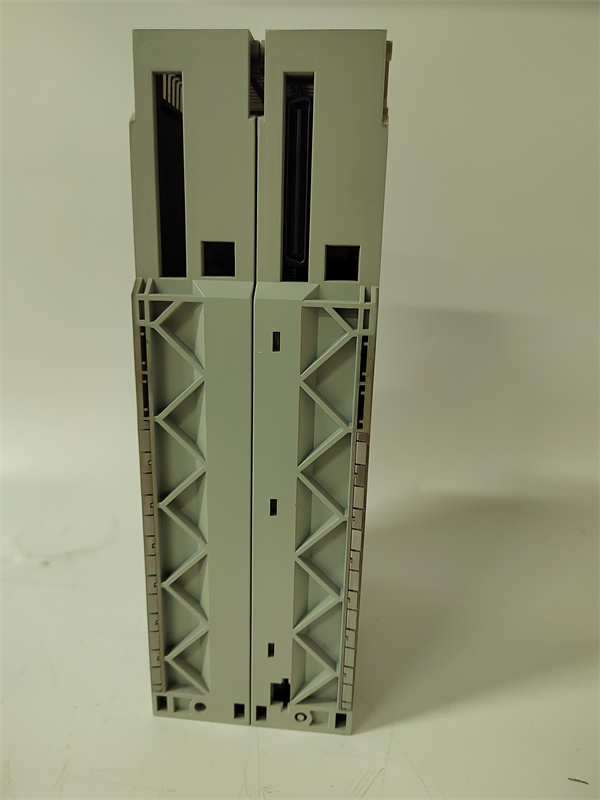
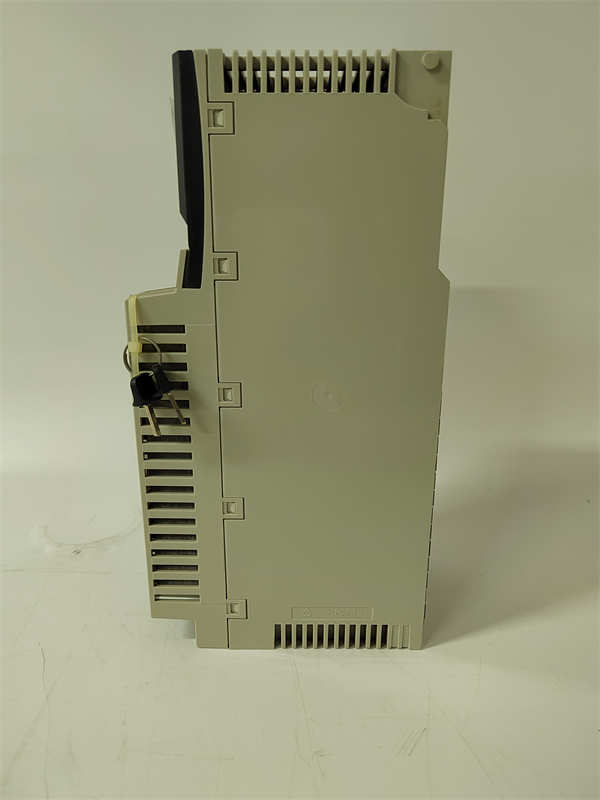
- Product Model: 140CPU67160
- Manufacturer: Schneider Electric
- System Family: Modicon Quantum (Classic)
- Processor: Intel-based embedded CPU (300 MHz class)
- User Memory: 4 MB RAM (battery-backed), 8 MB flash for program storage
- Execution Speed: ~0.12 µs per Boolean instruction
- Redundancy Support: Yes – compatible with 140CHS11000/140CHS11000C hot-standby modules
- Backplane Bus: Quantum I/O bus (proprietary, 50 MHz)
- Communication Ports: Built-in Modbus Plus (MB+) and Modbus RTU (RS-485); supports optional NOE771xx Ethernet modules
- Power Consumption: Approx. 3.5 A @ 5 VDC from backplane
- Operating Temperature: 0°C to +60°C
- Battery Type: BR2032 lithium coin cell for RAM backup (field-replaceable)
System Role and Downtime Impact
The 140CPU67160 serves as the central brain of Modicon Quantum-based control systems, commonly deployed in municipal water networks, hydroelectric stations, and heavy industrial facilities. It executes ladder logic, manages remote I/O via RIO or DIO drops, coordinates with HMIs through Modbus TCP or MB+, and interfaces with SCADA for supervisory control.
In non-redundant configurations, a CPU failure halts all logic execution—stopping pumps, opening/closing valves, or disabling safety interlocks. Even in redundant setups, degradation of the primary unit can cause unnecessary switchover events or synchronization faults. Given its use in continuous or safety-related processes, unplanned downtime due to CPU failure can lead to regulatory violations, environmental incidents, or significant production losses.
Reliability Analysis and Common Failure Modes
Despite robust design, units aged 10–20 years exhibit predictable failure patterns:
- Battery-backed RAM data loss: The BR2032 battery depletes after 5–7 years. If not replaced, application logic and configuration are lost during power interruptions.
- Electrolytic capacitor aging: Internal DC/DC converters use capacitors that dry out, causing voltage instability, random reboots, or failure to boot.
- Backplane connector fatigue: Thermal cycling leads to intermittent contact with the rack, manifesting as “I/O not responding” or watchdog timeouts.
- Firmware corruption: Rare but possible due to memory bit errors or EMI, especially if the unit lacks proper grounding or shielding.
Design limitations include reliance on a single backup battery and absence of built-in diagnostics for early capacitor wear. For preventive maintenance, technicians should:
- Replace the backup battery every 4–5 years during planned outages
- Monitor CPU status LEDs (“RUN,” “IO Fault,” “BATT”) regularly
- Maintain up-to-date application backups in Concept or Unity Pro format
- Ensure cabinet temperature remains below 50°C to extend component life
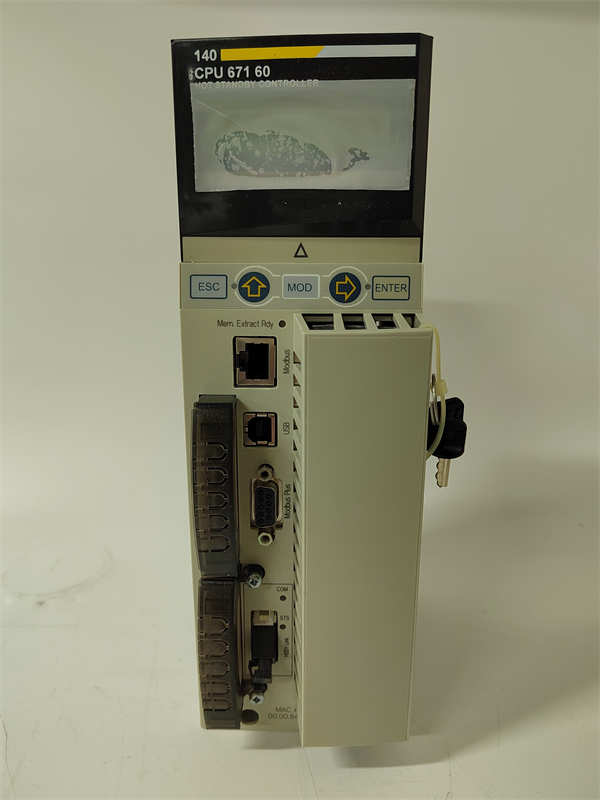
Schneider 140CPU67160
Lifecycle Status and Migration Strategy
Schneider Electric has officially discontinued the Modicon Quantum Classic platform, including the 140CPU67160, with support now focused on the Modicon M580 and M310/M262 ePAC families. No new units are produced, and factory repair services are no longer available. Continuing to operate with this CPU introduces significant risk: no access to genuine spares, inability to recover from configuration loss without backups, and growing difficulty licensing legacy engineering software (e.g., Unity Pro v13 or earlier).
As an interim measure, facilities may:
- Source only from certified surplus vendors who provide full boot-and-logic verification
- Maintain at least two tested spare CPUs with matching firmware versions
- Implement external watchdog relays to detect communication loss and trigger safe states
For long-term sustainability, Schneider recommends migrating to the Modicon M580 ePAC, which offers native Ethernet/IP, OPC UA, and cybersecurity features. This path typically involves:
- Replacing the CPU, backplane, and power supplies with M580 hardware
- Reusing existing I/O modules where possible via adapter bases (e.g., 140CRA31200)
- Converting logic using Unity Pro’s project migration tools, followed by functional validation
- Upgrading operator interfaces to leverage modern web-based visualization
Given its central role in process control integrity, the obsolescence of the 140CPU67160 demands immediate attention through either strategic sparing or inclusion in a formal control system modernization roadmap. Delaying action increases both operational vulnerability and lifecycle cost.