 Tel:
Tel:  Email:
  WhatsApp:
 Description
Technical Specifications (For Spare Verification)
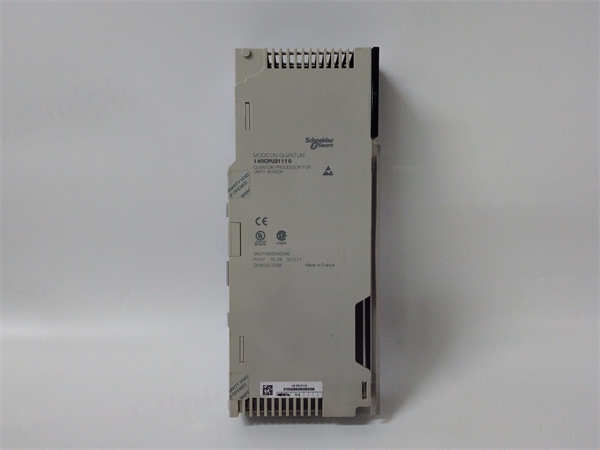
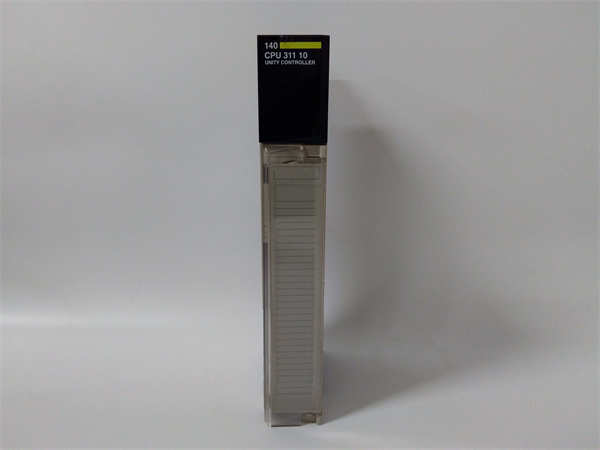
- Product Model: 140CPU31110
- Manufacturer: Schneider Electric
- System Compatibility: Modicon Quantum (Classic) platform
- Processor Type: Intel 80486-based embedded CPU
- User Memory: 768 KB RAM (battery-backed), 256 KB flash load memory
- Scan Time: ~0.15 µs per Boolean instruction
- Built-in Ports: 1x Modbus (RS-232/485), 1x Modbus Plus (MB+)
- Maximum I/O: Supports up to 64 local and remote I/O modules via RIO drops
- Backplane Current Draw: 1.5 A @ 5 VDC
- Battery Type: BR2032 (for RAM retention)
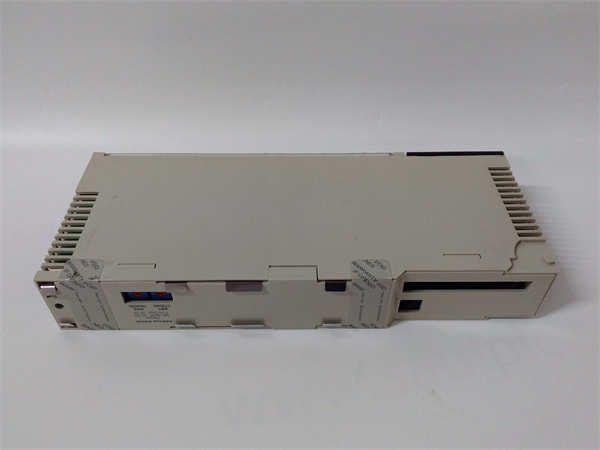
- Form Factor: Full-size module for Quantum backplane (occupies two slots)
- Firmware Version: Must match existing system (e.g., v2.80, v2.90); mismatch causes boot failure
-

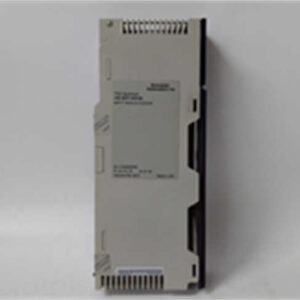
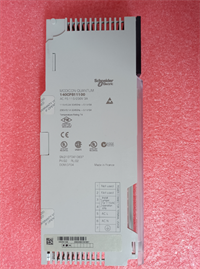
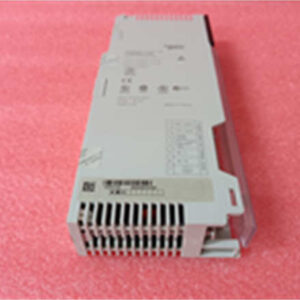
Schneider 140CPU31110
System Role and Downtime Impact
The 140CPU31110 is the central brain of a Modicon Quantum control system, commonly deployed in municipal water treatment, hydroelectric stations, and legacy oil & gas facilities. It executes ladder logic, manages I/O scanning across local and remote racks, and handles communication over Modbus Plus to engineering workstations, HMIs, and peer controllers. Unlike redundant CPUs, this model operates in a single-CPU configuration—making it a single point of failure. If the CPU fails due to battery depletion, firmware corruption, or hardware fault, the entire controlled process halts: pumps stop, valves freeze, and operators lose all visibility. Recovery requires physical replacement, exact firmware alignment, and often a full application reload from backup media (floppy disk, CF card, or PC archive). In many cases, outdated engineering tools (e.g., Concept or Unity Pro v4.x) are needed, further complicating restoration. Unplanned downtime can last days if spares or expertise are unavailable.
Reliability Analysis and Common Failure Modes
Despite its industrial-grade design, the 140CPU31110 suffers from predictable age-related failures:
- Battery-backed RAM corruption: The BR2032 coin cell typically lasts 5–7 years; once depleted, user logic and configuration are lost on power cycle—a catastrophic “blank CPU” event.
- Flash memory wear-out: Repeated firmware updates or long-term operation degrade the onboard flash, leading to boot loops or checksum errors.
- Modbus Plus transceiver failure: The proprietary MB+ ASIC is sensitive to ground loops and ESD, especially in large plants with poor grounding—resulting in communication dropouts or complete port failure.
- Capacitor aging: Internal electrolytic capacitors dry out, causing voltage instability during power fluctuations and triggering unexpected resets.
A critical weakness is the lack of modern diagnostics: no Ethernet port, no web server, and minimal LED indicators (only RUN/STOP and I/O faults). Many failures are only discovered during a power outage or maintenance reboot.
Recommended preventive actions include:
- Replacing the BR2032 battery every 4 years, even if the system appears functional.
- Maintaining a validated backup of the application in multiple formats (Concept *.pro, Unity *.stu, and binary *.hex).
- Using fiber-optic links for Modbus Plus in electrically noisy environments to protect the transceiver.
- Storing at least one matched spare (same firmware version) in ESD-safe, temperature-controlled conditions.
-
Schneider 140CPU31110
Lifecycle Status and Migration Strategy
Schneider Electric officially discontinued the 140CPU31110 as part of the end-of-life roadmap for the Classic Quantum platform. Support ended years ago, and no new units are available through authorized channels. Remaining inventory consists of used or refurbished modules with unknown service history—posing significant operational and cybersecurity risks. Continued use violates best practices under IEC 62443 and complicates compliance with modern safety and data integrity standards.
Short-term mitigation includes:
- Securing two verified, firmware-matched spares with documented functionality.
- Engaging only vendors certified under Schneider’s legacy support program for battery replacement and functional testing.
- Isolating the Quantum system from corporate IT networks to reduce cyber exposure.
For long-term sustainability, migration to the Modicon M580 ePAC platform is the recommended path. The M580 offers:
- Native EtherNet/IP and Modbus TCP with built-in OPC UA and MQTT
- Seamless reuse of existing Quantum I/O via Quantum I/O on Ethernet adapters (140NOC78000)
- Full compatibility with EcoStruxure Control Expert (successor to Unity Pro)
- Cybersecurity features including secure boot, role-based access, and audit logging
Migration involves replacing the CPU rack, updating the application logic, and revalidating control sequences—but allows phased integration without full field rewiring. Facilities still operating the 140CPU31110 should initiate a formal migration study immediately to ensure continuity, regulatory compliance, and resilience against obsolescence-driven outages.