 Tel:
Tel:  Email:
  WhatsApp:
 Description
Technical Specifications (For Spare Parts Verification)
- Product Model: VIPC616
- Manufacturer: SBS (a GE Fanuc Intelligent Platforms company, now Abaco Systems)
- Ordering Code: 91611524
- Form Factor: 6U VME64x single-slot carrier board
- Compatible Mezzanine Standards: PMC (PCI Mezzanine Card), IP (IndustryPack) modules
- Backplane Interface: VME64x (ANSI/VITA 1.1-1997), 32-bit, 32 MHz
- Power Delivery: Supports +5V, ±12V to mezzanine modules via standard connectors
- Mechanical Features: Includes ejector handles, front panel I/O cutout, and ESD protection
- Operating Temperature: 0°C to +55°C (commercial grade)
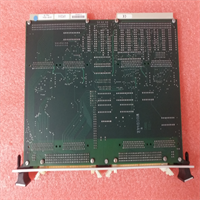
- Key Identifier Markings: “VIPC616”, “91611524”, SBS logo, revision letter (e.g., Rev C)
System Role and Downtime Impact
The VIPC616 serves as a critical interposer in legacy VME-based embedded control systems—commonly found in radar processors, flight simulators, industrial test equipment, and early-generation SCADA platforms. It physically and electrically bridges the VME backplane to specialized I/O or co-processing modules (such as A/D converters, FPGA cards, or communication interfaces). If this carrier fails, the hosted mezzanine module becomes inoperable, often leading to complete loss of a functional subsystem. In mission-critical applications like power grid monitoring or defense electronics, such a failure can result in unplanned downtime of the entire chassis or even cascade into broader system outages, especially when redundant architectures were not originally implemented.
Reliability Analysis and Common Failure Modes
Despite its robust design, the VIPC616 is susceptible to age-related degradation due to its era of manufacture (early-to-mid 2000s). The most frequent failure modes include: cracked solder joints around high-pin-count connectors caused by thermal cycling, corrosion on edge fingers from humidity exposure, and intermittent contact in the PMC/IP module sockets due to mechanical wear. A notable design weakness is the reliance on through-hole electrolytic capacitors near power regulation circuits—these tend to dry out over time, leading to voltage instability that may damage both the carrier and the mounted module. Additionally, the board lacks modern transient voltage suppression, making it vulnerable to ESD events during maintenance.
For preventive maintenance, technicians should prioritize visual inspection of connector integrity, clean VME edge fingers with isopropyl alcohol, and verify socket retention force on mezzanine sites. If the system remains in service, implementing external conformal coating on exposed traces and adding inline TVS diodes on critical signal lines can extend operational life. Regular functional testing under load is strongly advised, as latent faults often manifest only under thermal stress.
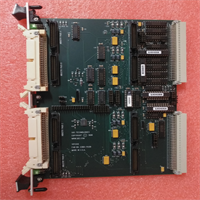
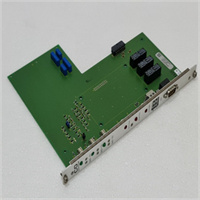
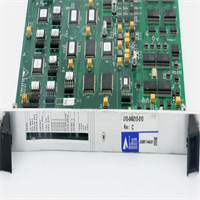
VME-IP-CARRIER VIPC616 91611524 SBS
Lifecycle Status and Migration Strategy
The VIPC616 has been officially discontinued for over 15 years, with Abaco Systems offering no direct replacement or long-term support. Continued use carries significant risks: scarcity of verified-good units, absence of manufacturer diagnostics, and increasing mean-time-to-repair due to component-level obsolescence. While some third-party vendors offer refurbished units, authenticity and burn-in validation are inconsistent.
As a temporary measure, organizations may consider sourcing tested surplus units with full functional reports or engaging specialized repair firms capable of reballing BGAs and replacing obsolete capacitors. However, these are stopgap solutions.
The recommended long-term strategy is migration to a modern open architecture. Abaco’s current VPX or CompactPCI Serial platforms provide higher bandwidth and better longevity, though this requires redesigning the application software and potentially replacing all backplane hardware. Alternatively, for less critical systems, commercial off-the-shelf (COTS) PCIe-based industrial PCs with I/O expansion can replicate functionality at lower lifecycle cost. Any migration project should begin with a full inventory of all dependent modules and a functional decomposition of the existing VME application to scope re-engineering effort accurately.