 Tel:
Tel:  Email:
  WhatsApp:
 Description
Key Technical Specifications (For Spare Parts Verification)
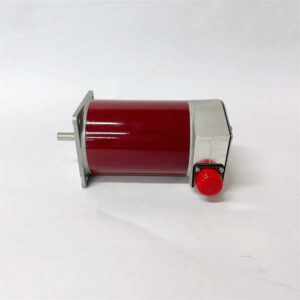
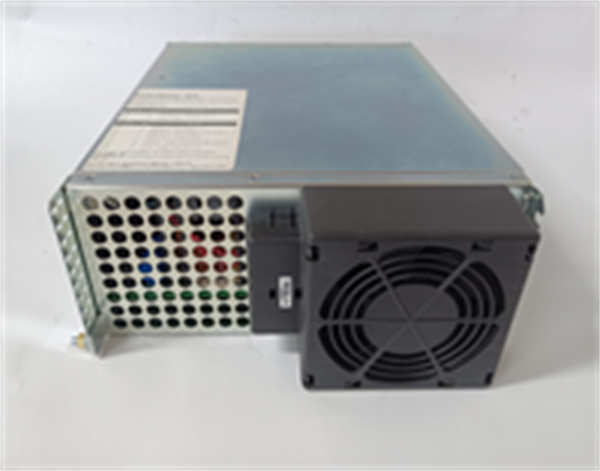
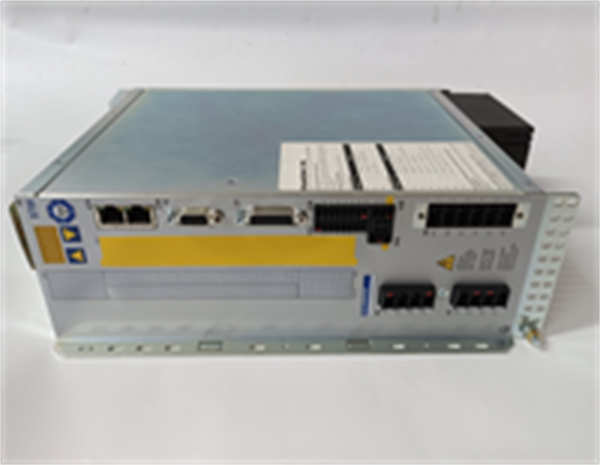
- Product Model: S72402-NANANA
- Manufacturer: Kollmorgen
- Motor Series: S700 (Legacy servo platform)
- Frame Size: 240 (NEMA 42 equivalent)
- Rated Torque: Approximately 13.5 Nm (continuous)
- Peak Torque: ~40 Nm (varies by winding)
- Rated Speed: Typically 1500–3000 rpm (depends on voltage class)
- Feedback Type: Built-in incremental encoder (standard: 2048 ppr, A/B/Z channels)
- Shaft Configuration: Plain shaft (no keyway unless specified); diameter typically 22 mm
- Mounting: IEC B5 flange (standard for S700 series)
- Connector Type: Circular MS-style connectors (motor power and feedback separate)
- IP Rating: IP65 (dust-tight and protected against water jets)
System Role and Downtime Impact
The S72402-NANANA was a high-torque workhorse in mid-to-late 1990s and early 2000s automation systems, commonly paired with Kollmorgen’s S300/S600/S700 servo drives. It provided precise motion control in applications demanding high dynamic response—such as web tension control, robotic indexing, or large-format converting equipment. In these systems, the motor is often directly coupled to critical mechanical components (e.g., print cylinders, unwind stands). If it fails—due to bearing seizure, winding short, or encoder loss—the entire machine axis becomes inoperable. Because many of these machines were custom-engineered with tight mechanical envelopes, substituting a non-form-fit motor requires significant rework. With Kollmorgen having fully retired the S700 motor line, unplanned failure can result in extended downtime, especially if no spare is on hand.
Reliability Analysis and Common Failure Modes
After 15–25 years of service, the S72402-NANANA is highly susceptible to age-related degradation. The most frequent failure modes include:
- Bearing wear: Due to lubricant drying or contamination, leading to increased noise, vibration, and eventual seizure—especially in high-duty-cycle or high-axial-load applications.
- Encoder failure: Internal flex circuits or optical disks degrade over time; thermal cycling causes solder joint fatigue on the encoder PCB, resulting in signal dropout or erratic counts.
- Winding insulation breakdown: Moisture ingress or repeated thermal stress compromises enamel insulation, causing inter-turn shorts or ground faults.
A design vulnerability is the reliance on proprietary MS connectors, which are prone to pin corrosion or shell cracking if not properly sealed. Additionally, the motor lacks modern features like temperature sensors or absolute feedback, making diagnostics more difficult. For maintenance teams, recommended actions include: monitoring bearing noise during operation, checking for excessive axial play, verifying encoder signal integrity with an oscilloscope during preventive maintenance, and ensuring proper sealing of cable glands to prevent moisture ingress.
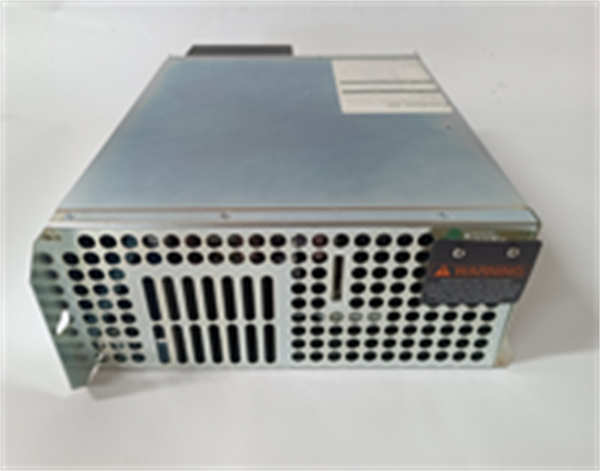
S72402-NANANA KOLLMORGEN
Lifecycle Status and Migration Strategy
Kollmorgen discontinued the S700 motor family years ago, with the S72402-NANANA having no direct replacement. The company’s current portfolio centers on the AKM (rotary) and TBM (frameless) series, which offer higher power density, better thermal performance, and support for absolute encoders (e.g., Hiperface DSL, BiSS C). Continuing to operate legacy S700 motors carries escalating risk: spares are scarce, repair costs are rising, and compatibility with modern drives (e.g., AKD) is limited without adapter firmware or external feedback conversion.
Short-term mitigation includes sourcing tested motors from specialized surplus vendors or engaging rewind/repair services—but these do not address long-term obsolescence. The strategic path is migration to the AKM series. For example, the AKM44 or AKM54 (depending on torque/speed requirements) can often serve as functional replacements. However, this requires:
- Verifying mechanical compatibility (shaft diameter, flange dimensions, mounting holes)
- Updating drive firmware or replacing the servo drive entirely (e.g., with an AKD drive)
- Rewiring power and feedback connections (due to different connector standards)
- Re-tuning motion parameters in the controller
While this demands engineering effort, it restores access to warranty, global support, and advanced diagnostics—transforming a looming failure risk into an opportunity for performance improvement and future-proofing.