 Tel:
Tel:  Email:
  WhatsApp:
 Description
Key Technical Specifications (For Spare Part Verification)
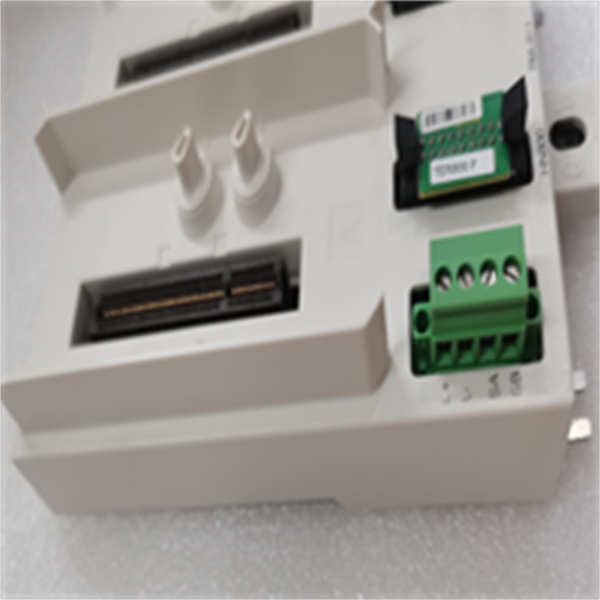
- Product Model: RMU811
- Manufacturer: ABB
- Product Type: Integrated protection and control terminal for ring main units
- Operating Voltage: 24–60 V DC or 110–230 V AC/DC (as per order code; must verify nameplate)
- Protection Functions: Overcurrent (50/51), earth fault (50N/51N), optional thermal overload
- Inputs: 3-phase current via internal or external CTs (typically 1A/5A); auxiliary voltage input
- Outputs: 2–4 programmable relay outputs (trip, alarm, reclose)
- Communication: Serial RS-485 (Modbus RTU or SPA protocol) – no Ethernet
- HMI: Built-in LCD with navigation buttons for local operation and event viewing
- Standards Compliance: IEC 60255, IEC 61000-4 (EMC)
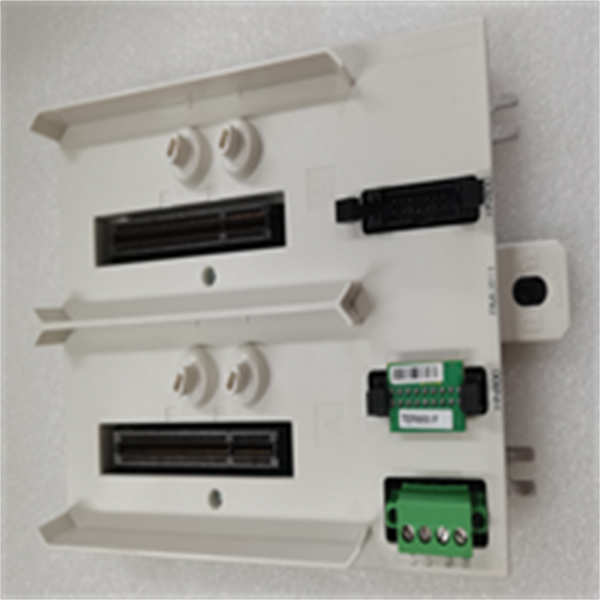
- Mounting: Panel-mounted within RMU gas compartment or LV compartment
System Role and Downtime Impact
The RMU811 is embedded directly into ABB’s SafeRing and SafePlus compact secondary substations, serving as the central intelligence for feeder management. It handles all switching commands (remote/local), executes protection logic during faults, and reports status to the utility’s SCADA system. In a radial or ring network, loss of RMU811 functionality means the associated feeder cannot be tripped automatically during an earth fault or overcurrent event, risking equipment damage and extended outages. Moreover, without its communication capability, the RMU becomes “blind” to the control center—requiring manual dispatch for even routine operations. A single RMU811 failure can compromise service restoration for hundreds of customers, especially in urban underground networks where physical access is difficult.
Reliability Analysis and Common Failure Modes
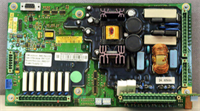
Although designed for long life in sealed environments, the RMU811 exhibits predictable aging issues. The most frequent failure is degradation of the internal backup battery, leading to loss of event logs, clock reset, and in some cases, corrupted configuration after power cycling. Electrolytic capacitors on the power supply board are another weak point—drying out over 10–15 years of service, causing intermittent resets or complete power dropout under load. The LCD display often suffers from segment fading or contrast loss due to prolonged exposure to elevated temperatures inside the RMU cabinet. Additionally, the serial communication port is vulnerable to ground loops or lightning-induced surges, especially in older installations lacking proper shielding.
Preventive maintenance should focus on periodic functional testing: simulate fault currents to verify trip logic, check relay contact resistance, and validate Modbus register reads against actual measurements. Inspect the unit for signs of overheating (discolored PCB, bulging capacitors) during RMU maintenance windows. Critically, archive the device configuration (using ABB’s PCM600 or legacy tools) while communication is still possible—this data is essential for any future replacement.
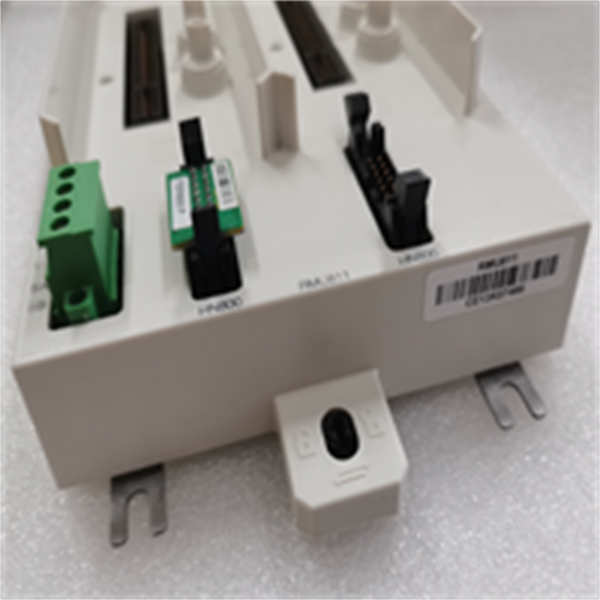
RMU811 ABB
Lifecycle Status and Migration Strategy
ABB officially discontinued the RMU811 and removed it from its product portfolio, replacing it with the Relion® REF615 or REM615 for new RMUs. No factory repairs, recalibration, or firmware updates are available. Continued reliance on RMU811 exposes utilities to escalating spare part costs, unverifiable quality of used units, and growing cybersecurity gaps (due to lack of secure protocols).
As an interim measure, maintain a tested spare and implement surge protection on communication lines. For a sustainable path forward, ABB recommends migrating to the REF615, which offers IEC 61850 GOOSE, enhanced protection algorithms, and modern cybersecurity features. However, this requires mechanical adaptation (new mounting bracket), rewiring (different terminal layout), and full re-engineering of protection settings and SCADA mappings. Third-party retrofit kits exist that allow REF615 installation into existing SafeRing cabinets with minimal modification. Engaging ABB or a certified system integrator early in the planning phase is advised to ensure compliance with grid code requirements during the transition.