 Tel:
Tel:  Email:
  WhatsApp:
 Description
Key Technical Specifications (Based on Industry Norms for PT-VME330-Type Modules)
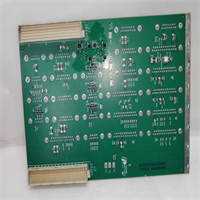
- Product Model: PT-VME330
- Bus Interface: VME64 (32-bit, 6U form factor)
- Analog Inputs: Typically 16 single-ended or 8 differential channels
- Resolution: 16-bit A/D conversion
- Input Range: Software-selectable (e.g., ±10 V, ±5 V, 0–10 V)
- Sampling Rate: Up to 100 kS/s (aggregate or per channel, depending on design)
- Isolation: May include channel-to-bus isolation (verify per unit)
- Triggering: Supports external/internal trigger for synchronized sampling
- Software Support: Legacy drivers for VxWorks, Linux (2.4/2.6), or Windows NT/XP via proprietary API
- Operating Temperature: 0°C to +55°C (commercial grade); extended temp versions rare
 System Role and Downtime Impact
 System Role and Downtime Impact
The PT-VME3330 (or PT-VME330) was commonly deployed in:
- Aerospace ground test equipment (engine monitoring, structural load testing)
- Power electronics R&D labs
- Nuclear or particle physics data acquisition systems
- Industrial automation retrofits using VME-based controllers
In these environments, the module serves as the “sensory nervous system,” converting real-world analog phenomena into digital data for control or analysis. A failed or drifting PT-VME330 can cause:
- False alarms or missed fault detection
- Inaccurate performance validation during certification tests
- Complete loss of data logging capability
- System shutdown if integrated into safety logic
Because VME systems are often custom-built and lack redundancy at the I/O level, a single card failure can halt an entire operation—especially in regulated industries where requalification is costly.
Reliability Analysis and Common Failure Modes
Despite robust construction, aging VME modules like the PT-VME330 suffer from:
- A/D converter drift: Due to reference voltage instability or aging precision resistors
- Capacitor degradation: Electrolytic capacitors in power filtering dry out, causing noise or reset loops
- Connector fatigue: P0/P1 VME connectors develop intermittent faults from thermal cycling or repeated chassis insertion
- Firmware corruption: If using flash-based configuration storage (rare but possible)
- Obsolescence-induced handling errors: Technicians unfamiliar with VME may misconfigure jumper settings or apply incorrect power
Preventive maintenance should include:
- Periodic calibration against traceable standards
- Visual inspection for PCB discoloration, capacitor bulging, or solder cracks
- Functional testing under simulated load using known signal sources
- Archiving original driver software and configuration files
Lifecycle Status and Migration Strategy
The PT-VME330 is firmly obsolete:
- No known manufacturer support (PTVME appears defunct or absorbed)
- VME technology itself is legacy; modern systems use PCIe, PXIe, or Ethernet-based DAQ
- Drivers incompatible with modern OS kernels or security policies
Short-term mitigation:
- Source used units from industrial surplus brokers (e.g., eBay, LabX, certified resellers)
- Use third-party reverse-engineering services to clone functionality (high cost, long lead time)
- Implement external signal buffering to reduce stress on existing modules
Long-term strategic path:
- Migrate to modern DAQ platforms:
- NI PXIe-449x series (for high-channel-count precision acquisition)
- ADLINK PCIe-9800 or USB-2400 series (for flexible I/O)
- Spectrum Instrumentation M2i/M4i cards (for ultra-high-speed applications)
- Requires:
- Rewriting application software (LabVIEW, C++, Python)
- Re-engineering chassis and cabling
- Re-validating measurement accuracy and timing