 Tel:
Tel:  Email:
  WhatsApp:
 Description
Technical Specifications (For Spare Parts Verification)
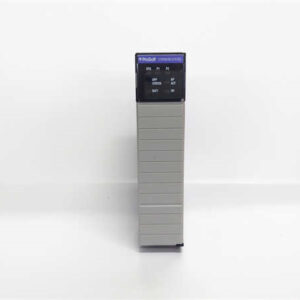
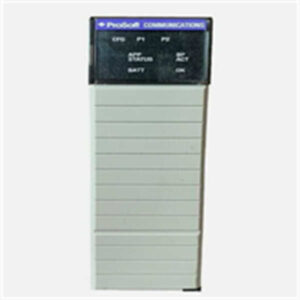
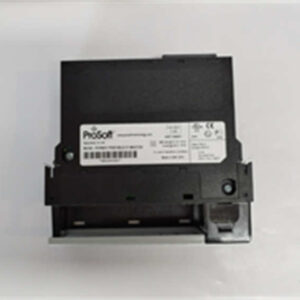
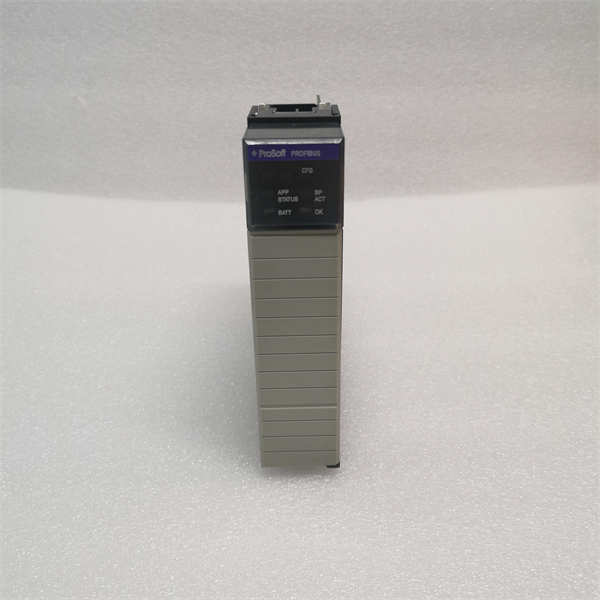
- Product Model: MVI56-PDPS
- Manufacturer: ProSoft Technology
- Platform: Rockwell ControlLogix (fits standard 1756 backplane)
- Function: PROFIBUS DP Slave (not master)
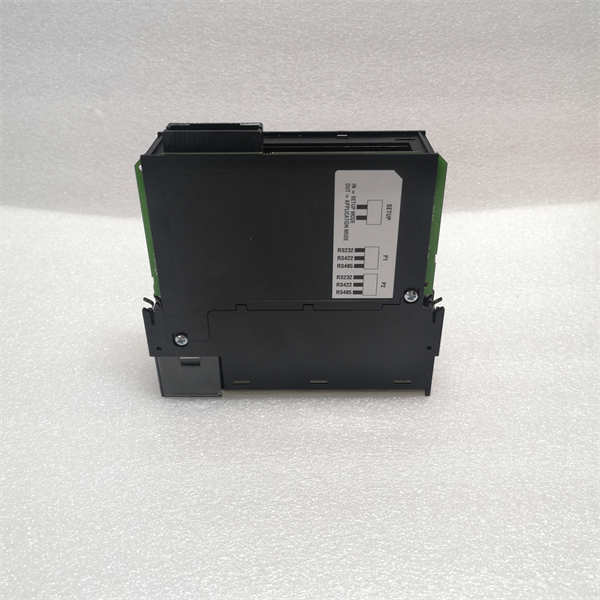
- Communication Port: 1 × RS-485 (9-pin D-sub, isolated)
- Supported Data Size: Up to 244 bytes input / 244 bytes output
- Backplane Consumption: 1 slot, draws power from ControlLogix backplane (+5 V, +24 V)
- Configuration: Via ProSoft Configuration Builder software (legacy Windows version required)
- LED Indicators: Module status, PROFIBUS activity, error
- Firmware Version: Typically v2.x or v3.x (no updates available)
- Physical Dimensions: Standard 1756 module size (~120 mm height)
System Role and Downtime Impact
The MVI56-PDPS is typically deployed in brownfield integration scenarios, such as when a legacy Siemens-based process line (e.g., in water treatment, packaging, or automotive) is partially upgraded with Rockwell controllers while retaining existing PROFIBUS field devices or master logic. The module allows the ControlLogix system to “appear” as a standard PROFIBUS slave to the Siemens CPU, exchanging I/O data cyclically.
If the MVI56-PDPS fails, the PROFIBUS master detects a slave fault and usually halts the entire network cycle or enters safe state. This can stop conveyors, disable safety interlocks, or freeze batch processes—even if the ControlLogix side remains functional. Recovery requires not only hardware replacement but also re-loading the correct configuration, which may be lost if documentation is incomplete. Mean time to repair (MTTR) can exceed 48 hours in worst-case scenarios.
Reliability Analysis and Common Failure Modes
Despite rugged industrial design, age-related failures are now common:
Typical failure modes include RS-485 transceiver degradation due to repeated surge exposure (common in PROFIBUS networks without proper grounding), leading to intermittent communication or complete port failure. Backplane connector corrosion causes power instability, manifesting as random resets. Additionally, EEPROM wear in older units can corrupt configuration data during power cycles.
A critical vulnerability is the lack of modern cybersecurity features—the module offers no authentication, encryption, or network segmentation, making it a potential entry point in converged IT/OT environments.
For preventive maintenance:
- Inspect PROFIBUS cabling and terminators annually
- Verify ground continuity between ControlLogix and PROFIBUS segments
- Maintain a powered spare module with verified configuration file
- Archive original ProSoft Configuration Builder project files in a virtualized Windows XP environment
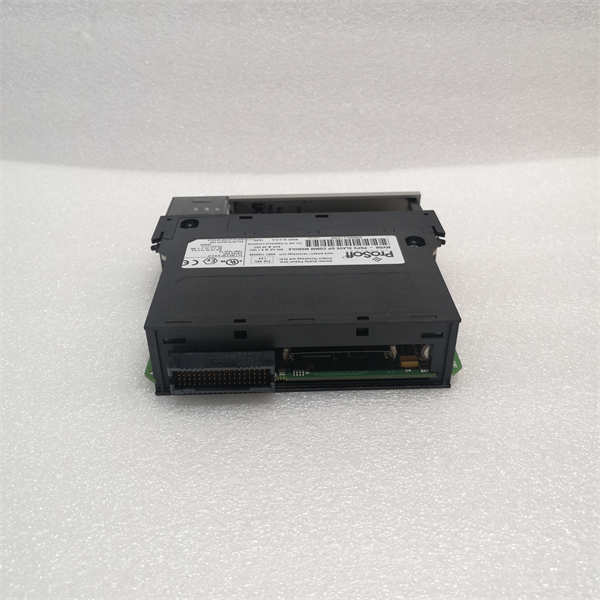
PROSOFT MVI56-PDPS
Lifecycle Status and Migration Strategy
ProSoft/Emerson no longer provides technical support, repairs, or firmware for the MVI56-PDPS. Continuing to rely on this module poses escalating operational risk.
Short-term mitigation options:
- Source tested, configured spares from reputable industrial automation brokers
- Implement external PROFIBUS diagnostic tools (e.g., Softing PB Analyzer) to detect early communication errors
- Isolate the PROFIBUS segment behind a unidirectional gateway for basic security
Long-term migration paths:
- Replace with modern gateway: Use an active PROFIBUS-to-EtherNet/IP gateway (e.g., HMS Anybus X-gateway AB7007 or Phoenix Contact FL MGATE PB) that supports secure, configurable data mapping. This decouples the ControlLogix system from direct PROFIBUS dependency.
- Full network modernization: Replace legacy PROFIBUS devices with EtherNet/IP or PROFINET equivalents, eliminating the need for protocol bridging entirely.
- Hybrid approach: Retain PROFIBUS for field devices but use a Siemens S7-1200/1500 as a local master, then communicate with ControlLogix via OPC UA or CIP messaging over Ethernet—reducing single-point failure risk.
Any migration must include updated electrical schematics, network topology validation, and re-validation of safety interlocks. Given the strategic importance of these interfaces, proactive replacement is strongly advised before a catastrophic failure occurs.