 Tel:
Tel:  Email:
  WhatsApp:
 Description
Technical Specifications (For Spare Parts Verification)
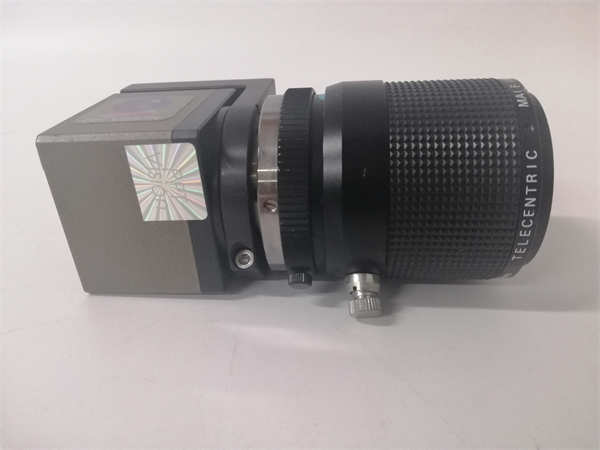
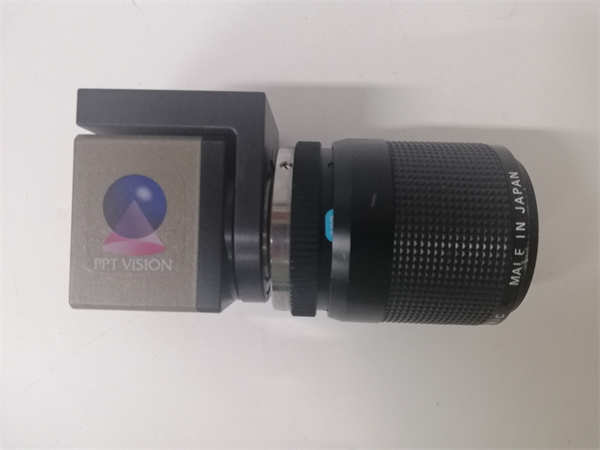
- Product Model: PPT5200
- Manufacturer: PPT Vision (later Viavi Solutions)
- Part Number: 661-0337
- Measurement Type: Absolute, gauge, or differential pressure (model-specific)
- Pressure Range: Typically low range (e.g., 0–1 psi, 0–10 inH2O, or custom OEM variants)
- Output Signal: Analog voltage (e.g., 0–5 V or 0–10 V) or ratiometric output
- Accuracy: ±0.1% to ±0.25% of full scale (depending on version)
- Media Compatibility: Dry, non-corrosive gases (standard); some versions rated for inert process gases
- Operating Temperature: 0°C to 50°C (typical for lab/indoor use)
- Electrical Interface: 3- or 4-pin connector (often proprietary or custom harness)
- Power Supply: +5 VDC or +12 VDC (model-dependent)
- Housing: Compact PCB-mount or panel-mount module, often integrated into OEM subsystems
System Role and Downtime Impact
The PPT5200 was commonly embedded as an OEM sensor in high-precision equipment such as mass flow controllers, leak testers, vacuum chamber monitors, and semiconductor CVD/PVD tools. Its role was to provide stable, repeatable pressure readings at low differentials—critical for maintaining process stoichiometry or detecting micro-leaks. In such systems, the sensor is often hardwired into closed-loop control logic with no redundancy. A drift or failure can cause:
- False low-pressure alarms halting wafer processing
- Incorrect gas blending leading to film defects
- Undetected vacuum breaches risking cross-contamination
Because the PPT5200 was frequently customized for specific OEMs (e.g., MKS Instruments, Brooks Automation), replacements must match not only electrical output but also mechanical footprint, response time, and calibration curve—making generic substitutes unreliable without extensive revalidation.
Reliability Analysis and Common Failure Modes
Despite its solid-state design (typically using silicon piezoresistive sensing), the PPT5200 is vulnerable to several age- and environment-related issues:
- Zero-point drift – long-term stress relaxation in the sensing diaphragm causes offset errors, especially after thermal cycling.
- Moisture ingress or outgassing – even in “dry gas” environments, trace humidity over years can corrode internal traces or contaminate the reference cavity.
- Power supply transients – lack of robust overvoltage protection leads to damaged signal conditioning circuitry during ESD events or power glitches.
- Connector or solder joint fatigue – vibration or thermal expansion in tool environments causes intermittent connections.
A key weakness is the absence of digital self-diagnostics; the sensor provides only an analog output, so degradation is invisible until cross-checked against a reference. Recommended preventive practices include:
- Periodic zero/span validation using calibrated pressure sources
- Inspecting for physical damage or discoloration on the PCB
- Logging baseline output during system idle states to detect slow drift
- Avoiding exposure to condensing atmospheres or aggressive purge gases
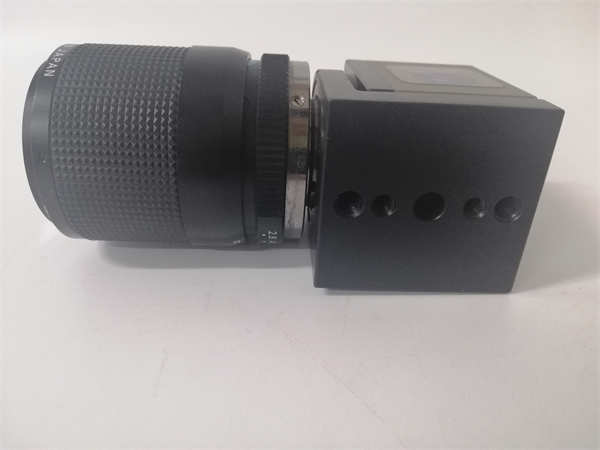
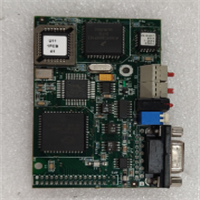
PPT VISION 661-0337 PPT5200
Lifecycle Status and Migration Strategy
PPT Vision was acquired by JDS Uniphase in the early 2000s, and the PPT5200 line was eventually discontinued as Viavi Solutions shifted focus to optical test equipment. No official replacement exists, and technical documentation is scarce. Continuing to operate this sensor carries significant risk: calibration labs cannot issue valid certificates without traceable standards, and failure during a critical run may halt production for days.
Short-term mitigation includes:
- Securing known-good units from decommissioned equipment or specialized surplus vendors
- Implementing software-based drift compensation if historical baseline data exists
- Adding external redundant monitoring (e.g., a secondary pressure switch for safety interlocks)
Long-term migration paths depend on the application:
- General-purpose replacements: Sensors from MKS Instruments (e.g., 627B series), Setra, or Omega offer similar low-range performance with modern analog or digital outputs.
- OEM-specific retrofits: Some tool manufacturers offer upgrade kits that replace the entire sensor subassembly with a supported alternative.
- Custom recalibration: In rare cases, third-party metrology labs can characterize and issue “as-found” calibration reports for legacy units—but this does not restore reliability.
Given the sensor’s integration depth and the high cost of process interruption, organizations should treat the PPT5200 as a high-priority obsolescence item. A structured approach—documenting installed base, assessing criticality per tool, and qualifying drop-in alternatives—is essential to sustain operational continuity in advanced manufacturing environments.